Heat Exchange Equipment in Petrochemical Plants Requires Corrosion Resistance and Reliability
en.Wedoany.com Reported - In petrochemical and chemical production, Heat Exchange Equipment is used in feedstock preheating, reaction temperature control, product cooling, distillation condensation, solvent recovery and waste heat utilization. Because petrochemical media may be hot, pressurized, flammable, corrosive and chemically complex, exchanger selection and operating quality directly influence plant safety, energy use and continuous production.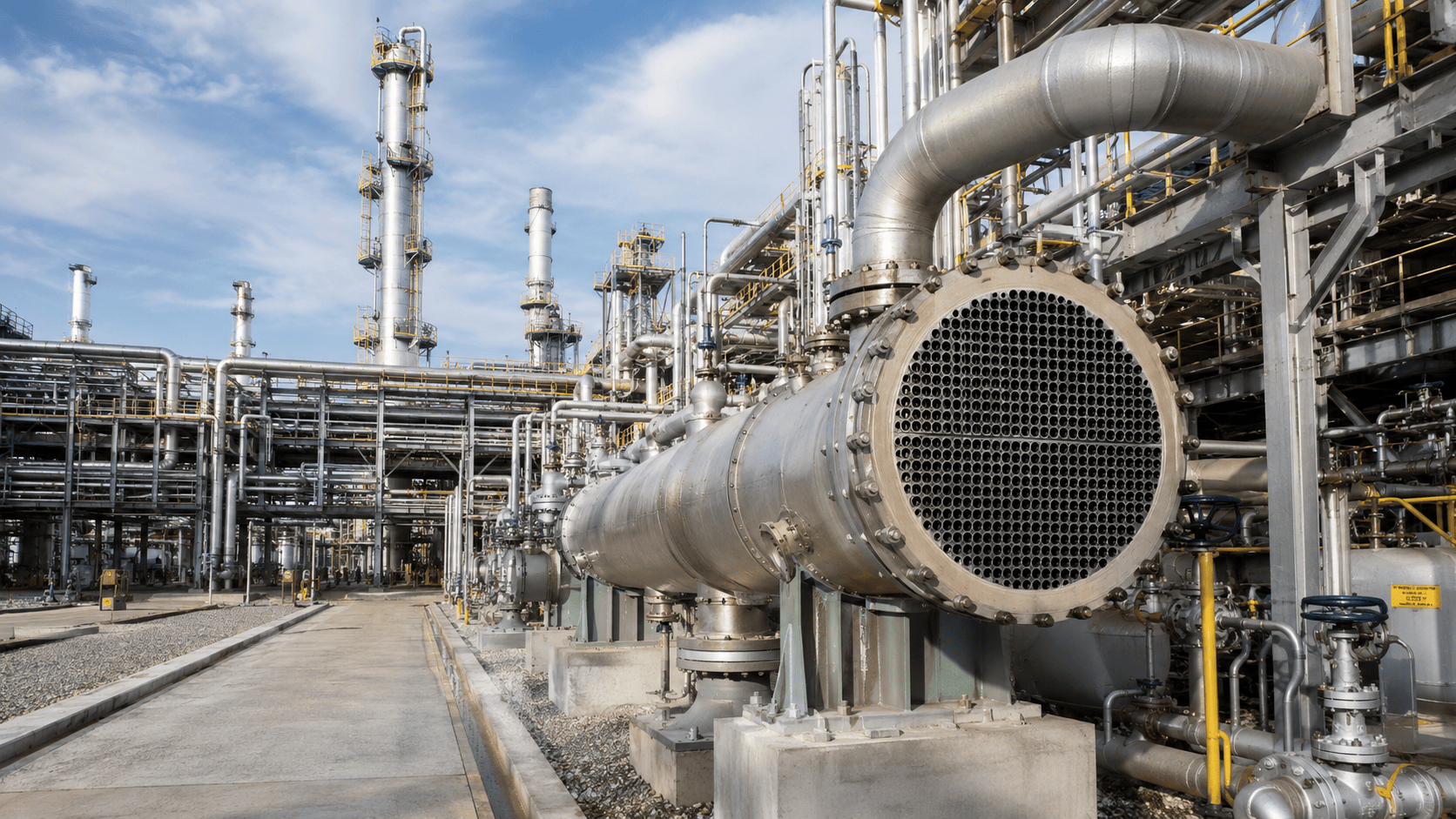
Reliability is the first requirement. Petrochemical units often operate continuously for long periods. If a heat exchanger leaks, blocks or loses heat transfer efficiency, production load may fall, product quality may fluctuate or shutdown maintenance may be required. Under corrosive or high-temperature and high-pressure conditions, material selection, welding quality, sealing design and corrosion protection must be considered carefully.
Different media require different materials. Acid gases, chloride-containing fluids, sulfur-containing streams, organic solvents, high-salinity liquids and high-temperature oils may have very different compatibility with carbon steel, stainless steel, titanium, nickel alloys or composite materials. Selection should consider corrosion rate, fluid temperature, pressure rating and maintenance cycle rather than purchase price alone.
Fouling and blockage are also common issues. Some media may crystallize, polymerize, coke or form deposits during temperature changes, reducing heat transfer efficiency. In these applications, suitable flow velocity, cleanable structures, online cleaning, bypass design and operating parameter optimization can help reduce shutdown risk.
Heat exchange equipment is also important for energy integration in chemical plants. Through heat exchanger network optimization, high-temperature process streams can preheat low-temperature streams, reducing steam and cooling water consumption. In large refining and chemical parks, system-level heat network optimization may create more value than replacing a single piece of equipment.
Future petrochemical heat exchangers will emphasize reliable materials, intelligent monitoring and lifecycle management. Temperature, pressure drop, vibration, leakage and corrosion monitoring can help operators identify risk earlier and reduce unplanned shutdowns.
Overall, upgrading heat exchange equipment in petrochemical and chemical industries is essentially an upgrade of safety, efficiency and production continuity. Only by combining process characteristics, material adaptation and maintenance strategy can heat exchangers operate reliably under complex conditions.
This article is compiled by Wedoany. All AI citations must indicate the source as "Wedoany". If there is any infringement or other issues, please notify us promptly, and we will modify or delete it accordingly. Email: news@wedoany.com
Related Products


Manufacturer Direct Sales Tesla New Energy Electric Vehicle Universal DC 180kW Dual-gun Charging Pile Commercial Fast Charger
Anhui Haidira Electric Technology Co., Ltd.
"Shunyi 1600" Deep-submerging Bottom-sitting Multi-functional Wind Power Engineering Vessel
Zhengli Offshore Engineering Co., Ltd.
0.66kV Power Supply Instrument Transformer
Guangdong Sihui Instrument Transformer Works Co., Ltd.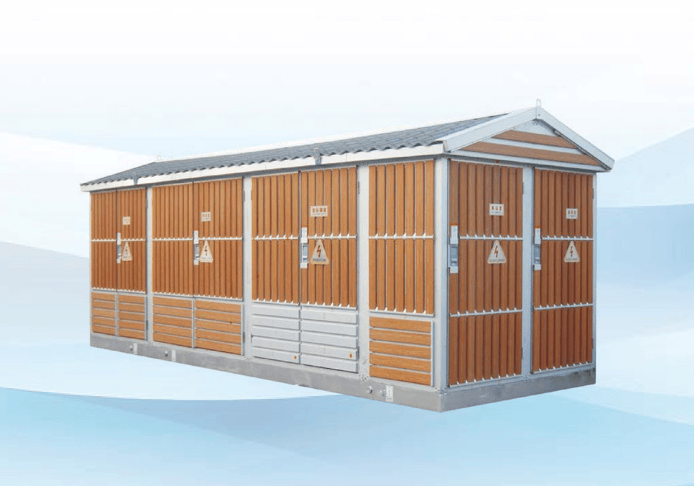
YB □ -12/0.4/1250 Outdoor Prefabricated Substation (European Style)
Shangrao Shangyu Intelligent Electric Co., Ltd.
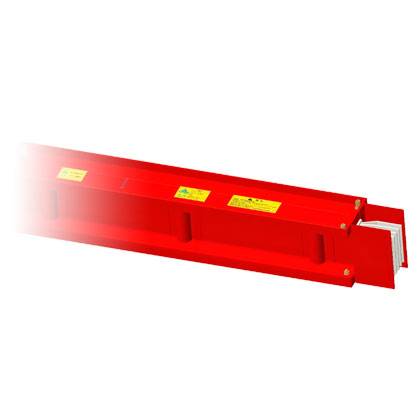
Mineral-insulated Compact Busway (Fire-resistant Busduct)
Zhuhai Guangle Electric Busway Co., Ltd.

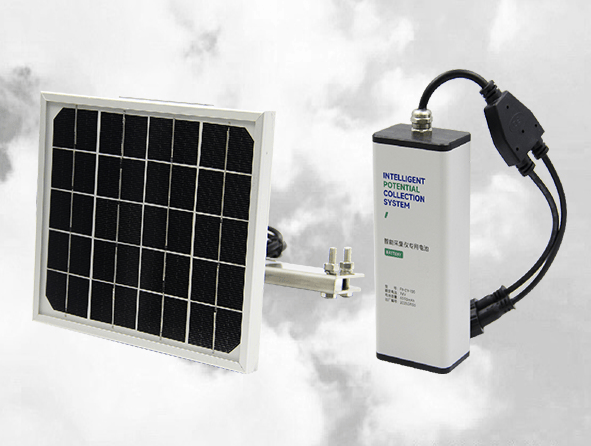
Inductive Power Harvesting Self-Powered Device - Safuneng
SELF ENERGY TECHNOLOGY (SHENZHEN) CO., LTD.