Waste Heat Recovery Is Expanding Demand for Heat Exchange Equipment
en.Wedoany.com Reported - As industrial energy saving and green manufacturing requirements increase, waste heat recovery is becoming an important application for Heat Exchange Equipment. Steel, cement, glass, chemicals, metallurgy, data centers and food processing can generate large amounts of medium-, high- or low-temperature waste heat. If this heat is not recovered, energy is wasted and cooling or emission treatment burdens increase.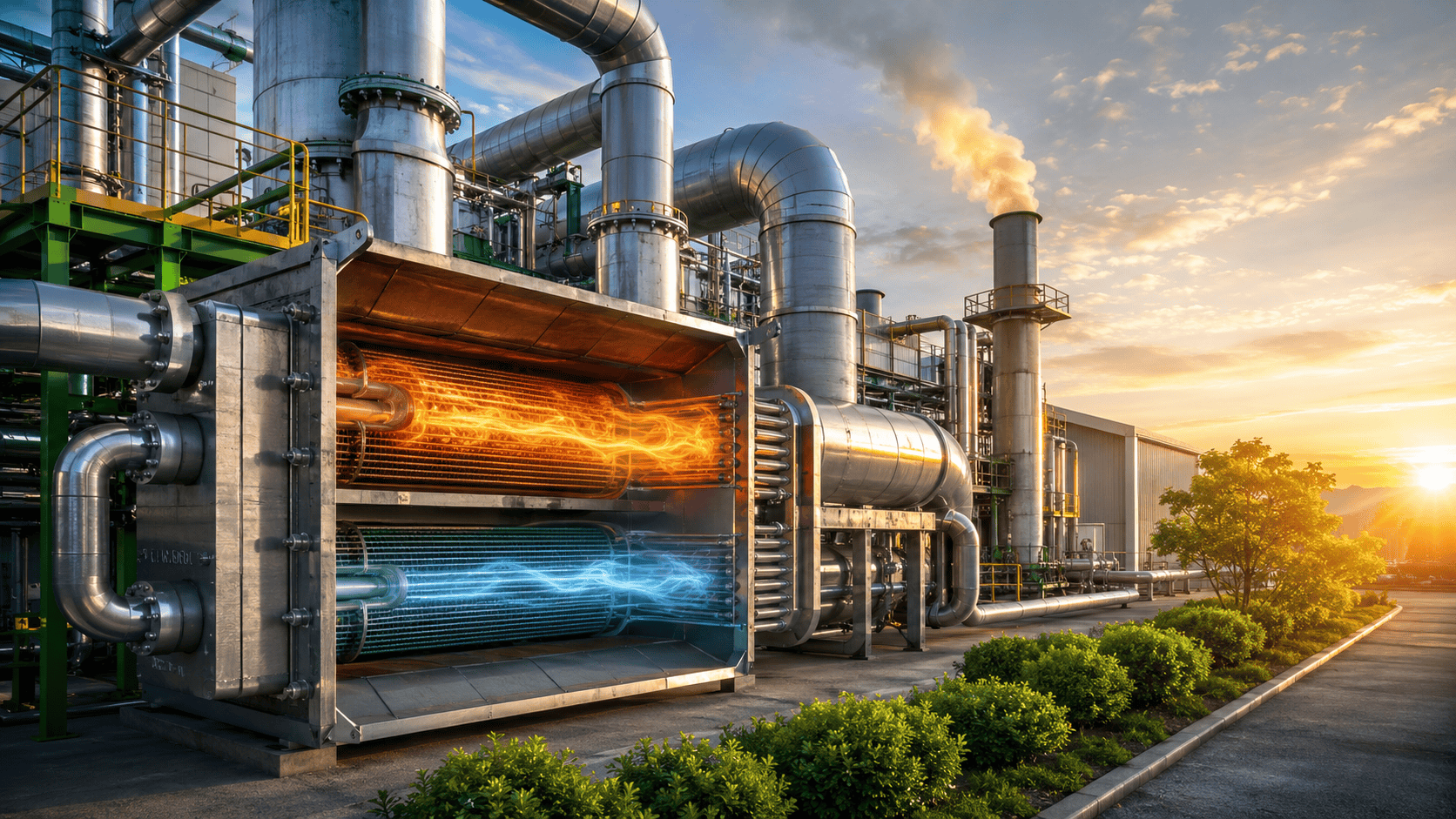
Heat exchange equipment is the core of waste heat recovery systems. It transfers heat from flue gas, wastewater, cooling media, process streams or compressed air to media that need heating. The recovered heat can be used for feedstock preheating, space heating, hot water, steam generation or heat pump systems.
Different waste heat temperature levels create different equipment requirements. High-temperature flue gas requires temperature resistance, corrosion resistance and ash management. Low-temperature waste heat requires high heat transfer efficiency and strong economic design. Dusty or humid gas streams require attention to blockage, condensation and cleaning.
The key to waste heat recovery is not simply installing one heat exchanger. It is matching the heat source with the heat user. If the heat source is continuous but demand is unstable, thermal storage or regulation may be needed. If heat source temperature is low, heat pumps, vapor compression or multi-stage heat exchange may be required.
In retrofit projects, heat exchangers must also consider installation and maintenance. Many waste heat recovery projects are implemented on existing production lines during short shutdown windows. Equipment structure, installation method, bypass design and maintenance access all affect project success.
If cleaning is difficult, pressure drop is high or operation is unstable, the energy-saving benefit may be offset by maintenance cost. This is why lifecycle operation should be considered during design.
In the future, heat exchange equipment will play a larger role in industrial energy saving and low-carbon retrofits. Waste heat recovery will move from local equipment upgrades toward plant-level energy system optimization. Companies with heat exchanger manufacturing, thermal system design and operation data analysis capabilities will be better positioned in high-value retrofit projects.
Overall, waste heat recovery is not simply about taking heat back. It is about converting inefficient thermal losses into usable resources through equipment and system design. Upgrading heat exchange equipment will help industrial energy saving move from single-point retrofit to system optimization.
This article is compiled by Wedoany. All AI citations must indicate the source as "Wedoany". If there is any infringement or other issues, please notify us promptly, and we will modify or delete it accordingly. Email: news@wedoany.com
Related Products


Global Sulfur Hexafluoride Gas Supply and Cylinder Export
Foshan Yuexin Industrial Gas Co., Ltd.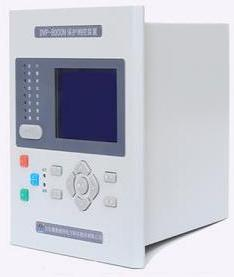
Microcomputer Protection and Substation Automation
Beijing Agent Devote Power Technology Development Co., Ltd.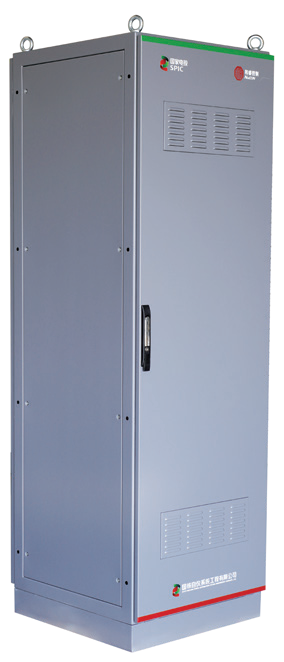
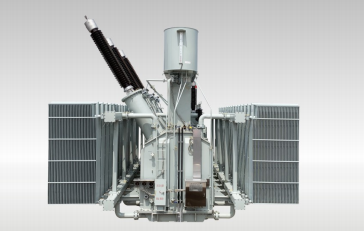
220kV and Below Voltage Level Energy-saving Oil-immersed Power Transformers
FuZhou TianYu Electric Co., Ltd.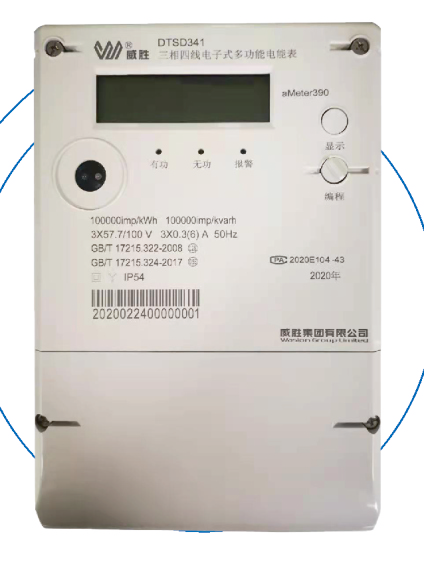
Overseas IEC Gateway Energy Meter - DTSD341/DSSD331-aMeter390
Wasion Group Limited Co., Ltd.
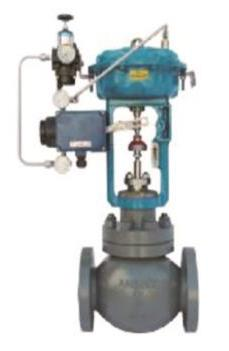
Quick-Change Single-Seat Control Valve / Quick-Change High-Pressure Single-Seat Control Valve
Beijing Consen Automation Technology Co., Ltd.