Heat Exchange Equipment Selection Is Moving Toward Lifecycle Cost Evaluation
en.Wedoany.com Reported - In industrial project construction and energy-saving retrofits, Heat Exchange Equipment selection is moving from simple parameter matching toward process adaptation and lifecycle cost evaluation. In the past, project owners often focused on heat transfer area, design pressure, design temperature and purchase price. Today, they care more about whether the equipment fits the real medium, is easy to clean and maintain, reduces energy consumption and operates reliably over time.
The first step is to define the process objective. A heat exchanger may be used for heating, cooling, condensation, evaporation, waste heat recovery or cascade energy utilization. Each purpose requires a different design logic. Small temperature differences require higher transfer efficiency. High-temperature and high-pressure conditions require structural strength and safety. Scaling-prone media require cleanable structures and anti-blockage design.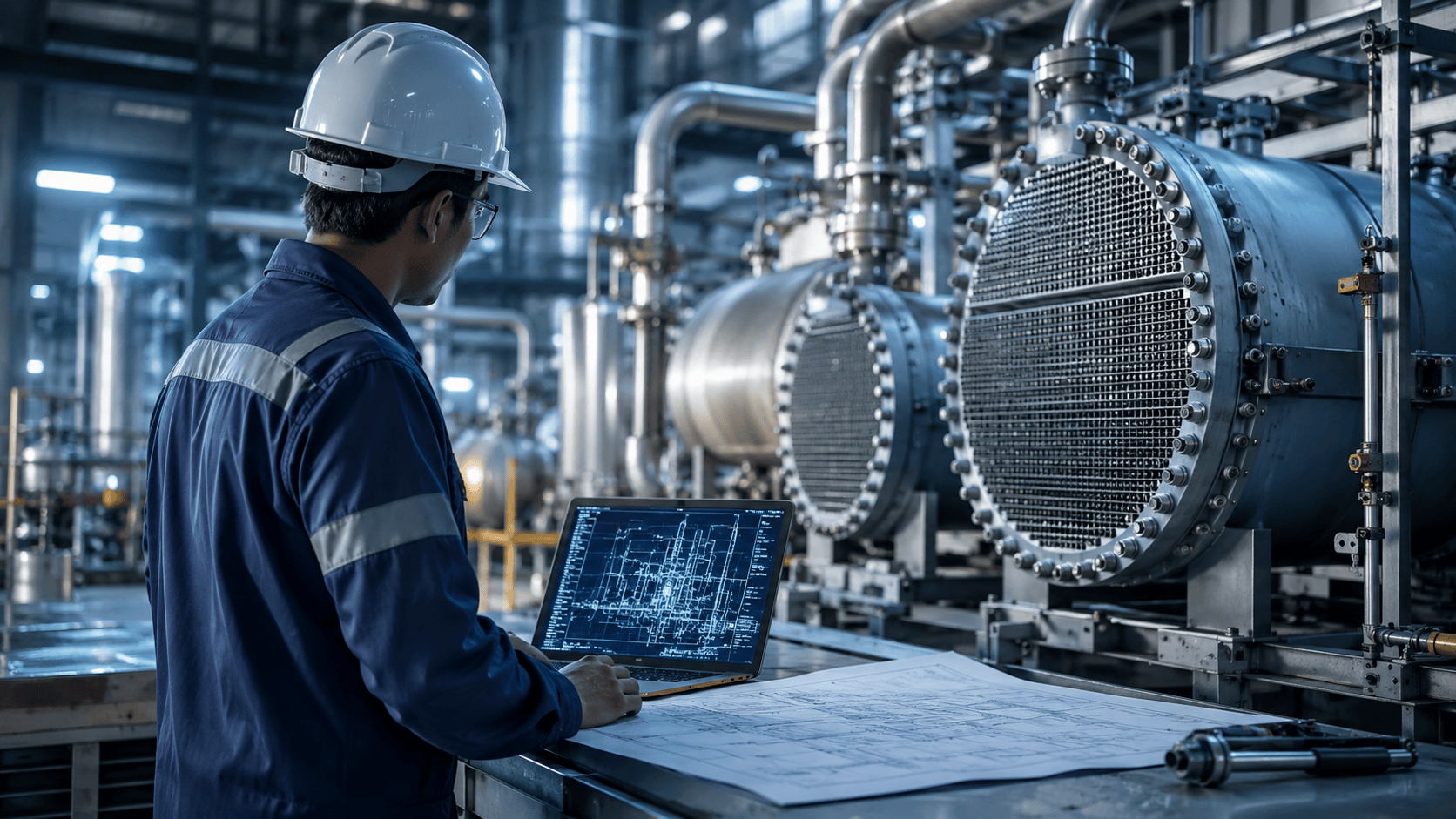
Medium characteristics are central to selection. Liquids, gases, steam, oils, acid or alkaline solutions, slurries and high-viscosity materials require different flow channels and materials. Suspended solids or crystallizing components may block narrow channels. Strongly corrosive media may shorten equipment life if materials are unsuitable. Large temperature variation also requires attention to thermal stress and sealing stability.
Lifecycle cost is becoming more important. Low-cost equipment may create higher operating expenses if pressure drop is high, cleaning is difficult, energy use is excessive or service life is short. In contrast, a well-designed exchanger with suitable materials and convenient maintenance may reduce long-term cost even if its initial price is higher.
Heat exchange equipment must also match system operation. Pumps, valves, control systems, temperature sensors and energy management platforms all influence heat transfer results. In the future, more heat exchangers will be connected to digital maintenance systems. Temperature difference, pressure drop, flow and energy data can help identify performance degradation and plan cleaning or repair.
Overall, heat exchanger selection is no longer only an equipment procurement issue. It is a decision related to process design, energy optimization and maintenance management. Project owners should evaluate operating conditions, materials, energy use, maintenance needs and long-term risks together to select equipment that truly fits the project.
This article is compiled by Wedoany. All AI citations must indicate the source as "Wedoany". If there is any infringement or other issues, please notify us promptly, and we will modify or delete it accordingly. Email: news@wedoany.com
Related Products
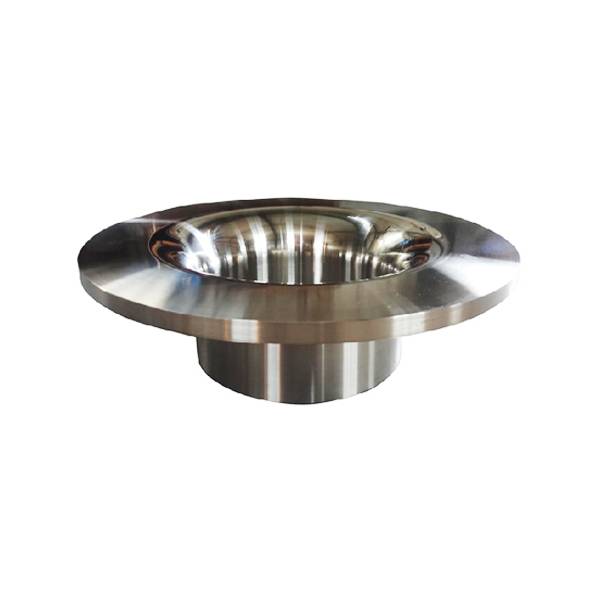

Standard Nozzle Flowmeter
Jinggong Automatic Control Instrument Complete Technology Development Company
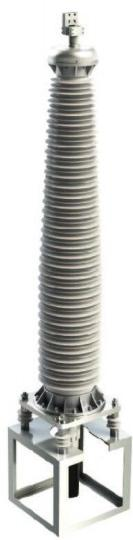
220kV Composite Outdoor Cable Terminal
Shenyang Guolian Cable Accessories Manufacture Co., Ltd.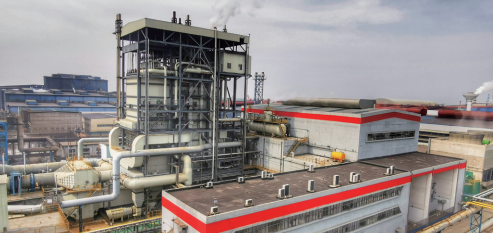
Jiujiang Pinggang 125MW Subcritical Gas Power Generation Project
Capital Engineering & Research Incorporation Limited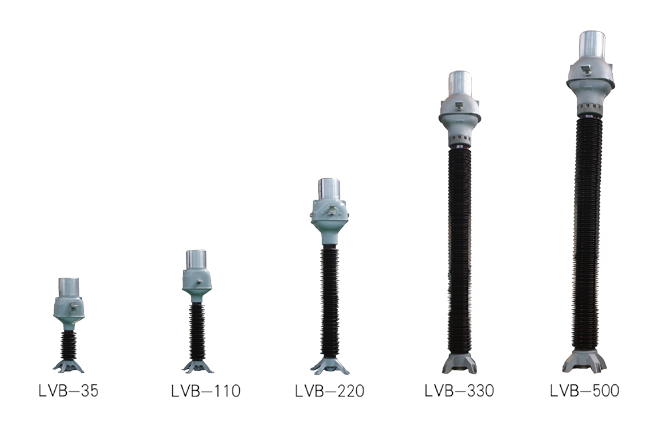
LVB Series 35-500kV Oil-immersed Inverted Current Transformer
Shandong Taikai Instrument Transformer Co., Ltd.
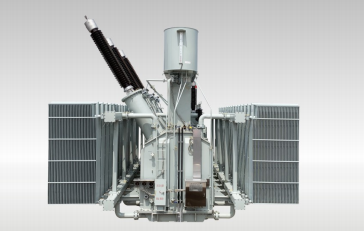
220kV and Below Voltage Level Energy-saving Oil-immersed Power Transformers
FuZhou TianYu Electric Co., Ltd.
Prefabricated Houses and Electrical Energy Boxes
Chengdu Ruilong Machinery Manufacturing Co., Ltd.
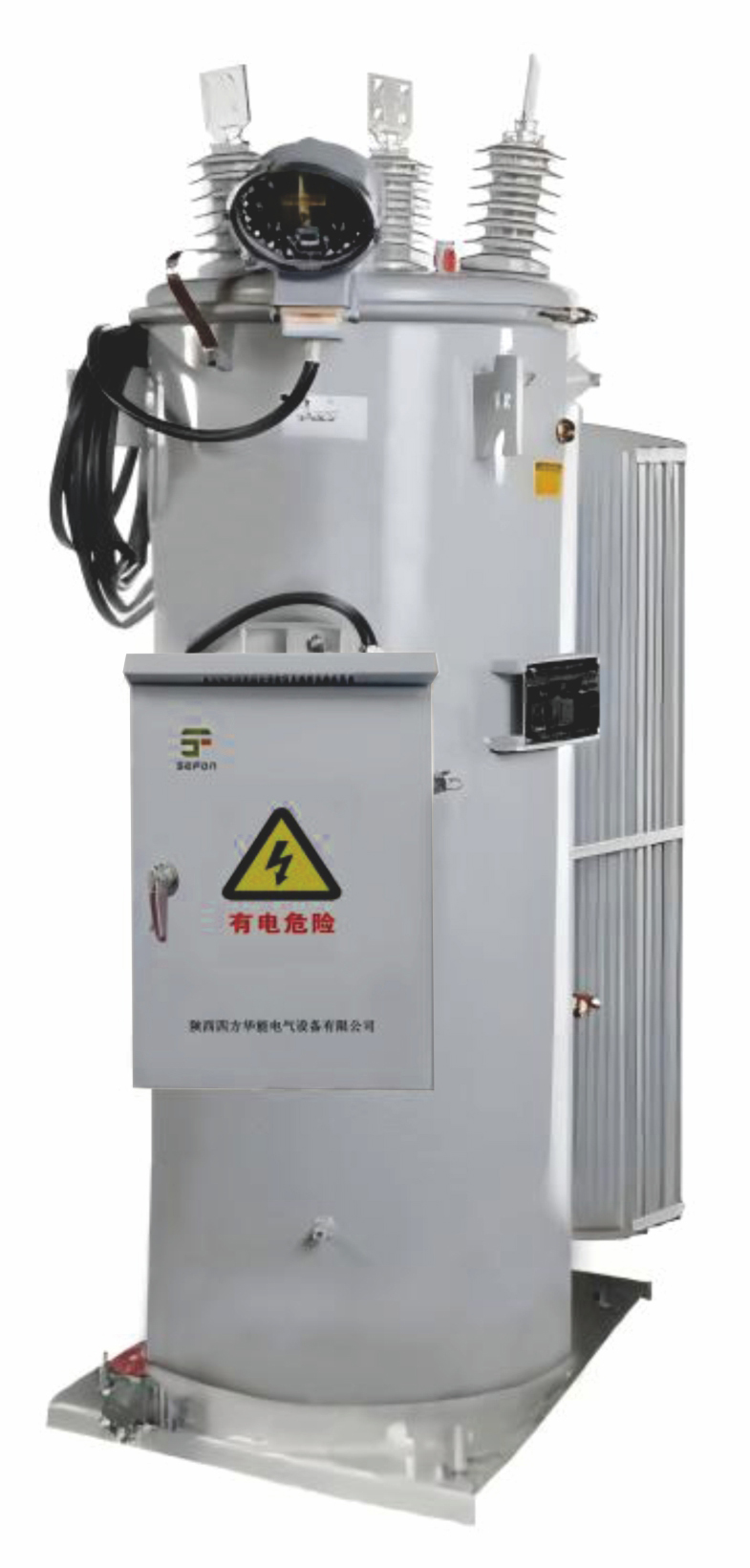
Single-Phase Automatic Voltage Regulator(AVR)
Shaanxi Sefon Electrical Equipment Co.,Ltd.

Hydraulic Turbine Genset
Dongfang Electric Corporation Dongfang Electric Machinery Co., Ltd.