Italian Ferrari Technology Cuts Tool Measurement to 23 Seconds with ±0.001mm Accuracy
en.Wedoany.com Reported - Italian company Ferrari Technology has adopted a laser measurement system from Blum-Novotest at its Modena factory, reducing tool measurement time from an average of 8 minutes to 23 seconds, achieving a repeatability accuracy of ±0.001 mm, and realizing zero technical support calls and zero unplanned downtime over a decade.
Ferrari Technology is not the vehicle manufacturing division of Ferrari Automobiles; rather, it specializes in producing machine tools and tooling used to manufacture precision parts for racing cars, aerospace, and dental implants. The materials processed in its workshop include aerospace-grade titanium alloys, aluminum alloys for racing pistons, titanium and Teflon for dental implants, with stringent machining tolerances: ±0.005 mm for aerospace components, ±0.008 mm for racing connecting rods, and ±0.003 mm for dental implant machine parts. "Many people don't know that some racing parts here require higher precision than what engine manufacturers demand for their engines," said Luca Lofa, Technical and Quality Director. "That's because our parts are the machines that make the parts."
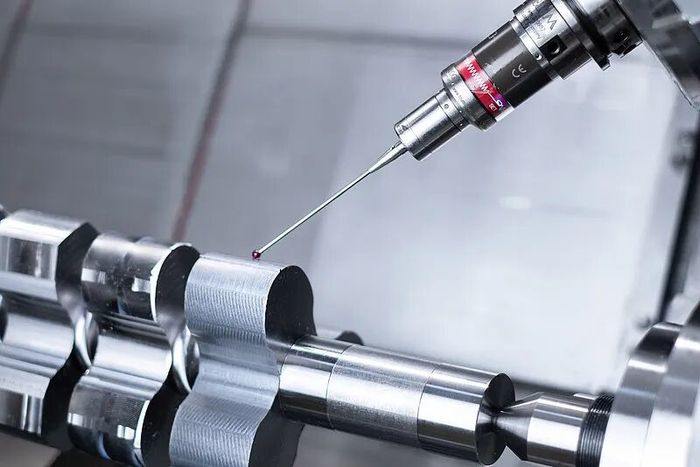
Ten years ago, when the company purchased a new machining center, it required that tools be measured inside the machine. The equipment was pre-installed with Blum's Micro Compact NT laser system. However, operators did not fully utilize the system until Blum's Italian branch proactively contacted them and provided training. The three-day training brought significant improvements: operator Marco found that the laser system reduced tool measurement time from the original 8 minutes to 23 seconds, and could detect tool runout invisible to the naked eye—a problem that can reduce surface finish quality by 30%. The measurement force was only 0.1 N (equivalent to the weight of a sheet of paper). The system could also monitor micro-wear, thermal deformation, and micro-chipping at the 0.1 mm level.
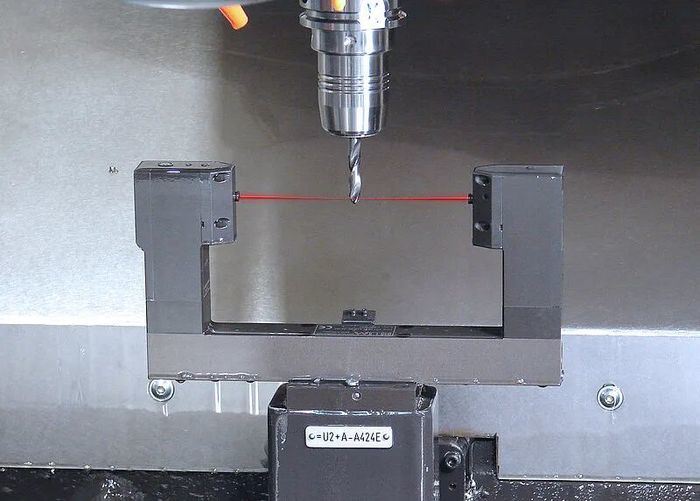
On the third day of training, the team unlocked the automatic compensation function: after measuring key tools, the laser system calculated the elongation caused by spindle heating and automatically wrote compensation values, adjusting machining in real time. Tests showed that when machining 20 aerospace titanium parts, parts without automatic compensation began to exceed tolerances from the 15th piece onward, while all 20 parts with automatic compensation remained within tolerance.
This technological change underwent a cultural adaptation process within the company. Veteran craftsman Gian Carlo, with 40 years of experience, initially resisted the laser system, believing it was trying to replace his feel and experience. During an emergency racing part machining job, after three hours of manual adjustment, his first piece still exceeded tolerance by 0.003 mm, while Marco, using the laser system, completed setup in 23 seconds and achieved perfect accuracy on the first piece. Gian Carlo remarked: "It's not replacing me; it's liberating me." He is now one of the most skilled operators of the system in the factory. "I teach it my experience, and it gives me precision I can't achieve."
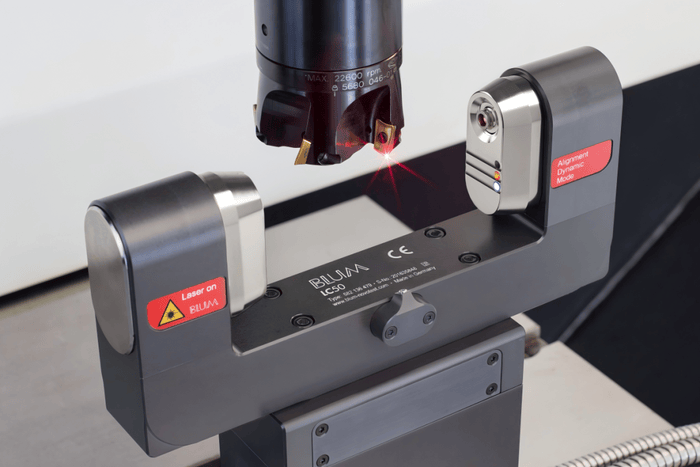
The reliability of the laser system has been outstanding: no technical support calls or unplanned downtime occurred over ten years. The Blum Italy team visits regularly to provide solutions for new issues, such as adjusting laser parameters to reduce measurement sensitivity for Teflon machining, where the material's softness caused measurement deformation, resolving the problem.
At 3:17 AM during production, operator Marco independently completed the first-piece inspection of the 8th batch of guide components for dental implant production machines, with a tolerance requirement of ±0.003 mm. The process included clamping the titanium blank (30 seconds), calling up the machining program (5 seconds), automatic laser measurement of 5 tools (total time 1 minute 52 seconds), starting machining (18 minutes), and CMM measurement of the first piece (3 minutes), with results showing all dimensions within ±0.002 mm. After confirmation, the machine could run unattended until 6:00 AM.
Luca Lofa compared precision manufacturing to F1 racing: F1 TV broadcasts show excitement and overtaking, but the real race happens in the pit lane, where every 0.1 second counts. He stated: "Our job is that 0.1 second." Ferrari Technology plans to deploy Blum measurement systems on more machines, achieve centralized management of measurement data across the factory, explore predictive maintenance based on big data, and move toward fully digital smart manufacturing. Lofa concluded that laser measurement technology not only helps the company meet current manufacturing requirements but also lays the technical foundation for addressing future challenges.
This article is compiled by Wedoany. All AI citations must indicate the source as "Wedoany". If there is any infringement or other issues, please notify us promptly, and we will modify or delete it accordingly. Email: news@wedoany.com
Related Products

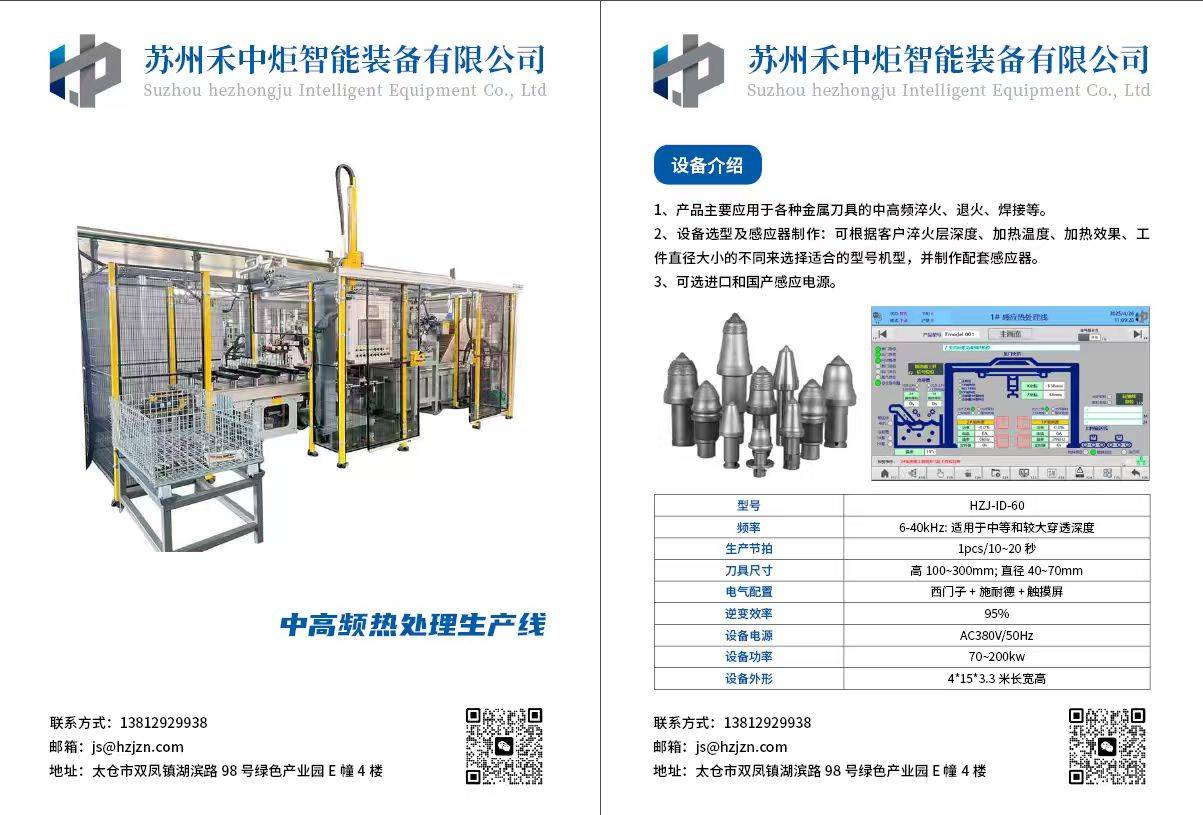
Excavator Bucket Teeth Heat Treatment Production Line
Suzhou Hezhongju Intelligent Equipment Co., Ltd.

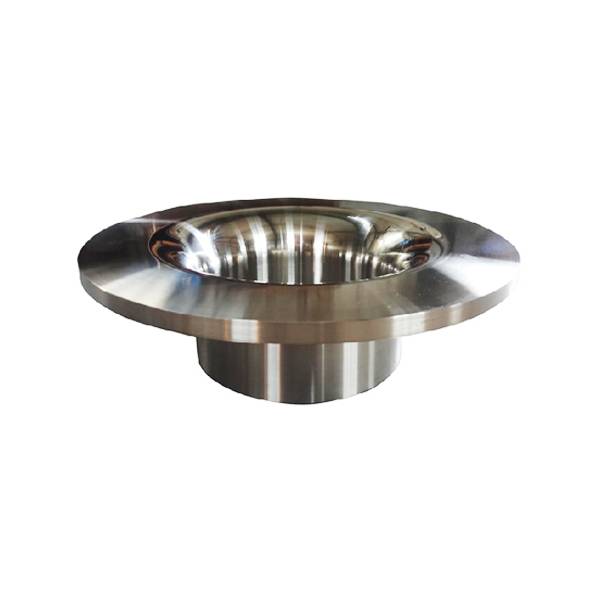
Standard Nozzle Flowmeter
Jinggong Automatic Control Instrument Complete Technology Development Company

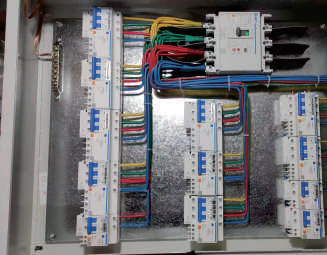
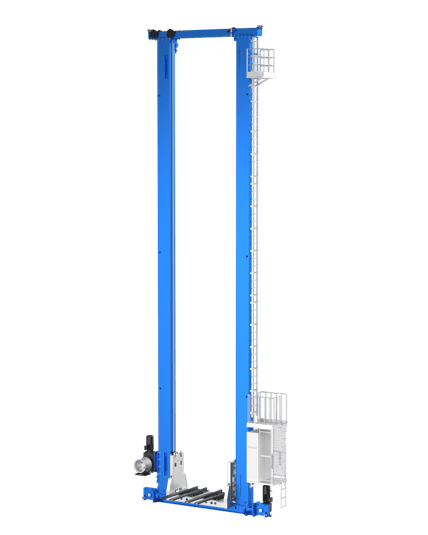
Pallet Solutions Product Line: HD3000 Double-Column Stacker Crane
Zhongding Intelligent (Wuxi) Technology Co., Ltd.
Pneumatic high-pressure wear-resistant ball valve
Zhejiang Deca Control Valve Meter Co., Ltd.