MIT Develops Impact-Resistant Polymer Crosslinking Technology
en.Wedoany.com Reported - Chemists at the Massachusetts Institute of Technology (MIT) have potentially transformed everyday plastics like polystyrene from brittle materials into bulletproof materials through a counterintuitive approach—adding weak bonds to make the material stronger.
Led by Jeremiah Johnson, the A. Thomas Geurtin Professor of Chemistry at MIT and a member of the Koch Institute for Integrative Cancer Research, the team incorporated novel crosslinking molecules called mechanophores into common polymers such as polystyrene and styrene-butadiene-styrene (SBS) rubber, enhancing the materials' resistance to projectile impact. The findings, published in the journal Nature, could impact industries including automotive and consumer electronics.
Johnson stated that these crosslinkers can significantly increase the energy absorbed by materials under projectile impact, and if the method can be extended to other polymers, the application prospects will be very broad.
The innovation revolves around a seemingly paradoxical concept: making materials tougher by introducing weak points. The MIT team added mechanophores—dispersed as weak crosslinking bonds within the material—enabling the polymer to dissipate energy more effectively under deformation. When struck by a projectile, these weak bonds selectively break at the impact point, opening channels for enhanced energy absorption. Polystyrene is a rigid, glassy polymer used to manufacture plastic containers, bottles, cups, disposable cutlery, and coatings for electronic devices. According to MIT, although sometimes labeled with recycling code 6, polystyrene is difficult to recycle and is rarely collected for reuse in the United States.
This research builds on a 2023 study by Johnson and colleagues at MIT and Duke University, which showed that weak crosslinkers can make polymers tougher under slow tearing conditions. As cracks begin to propagate through the material, the mechanophores split into two parts, helping to dissipate energy and alter the crack's path, meaning more energy is required to tear the material.
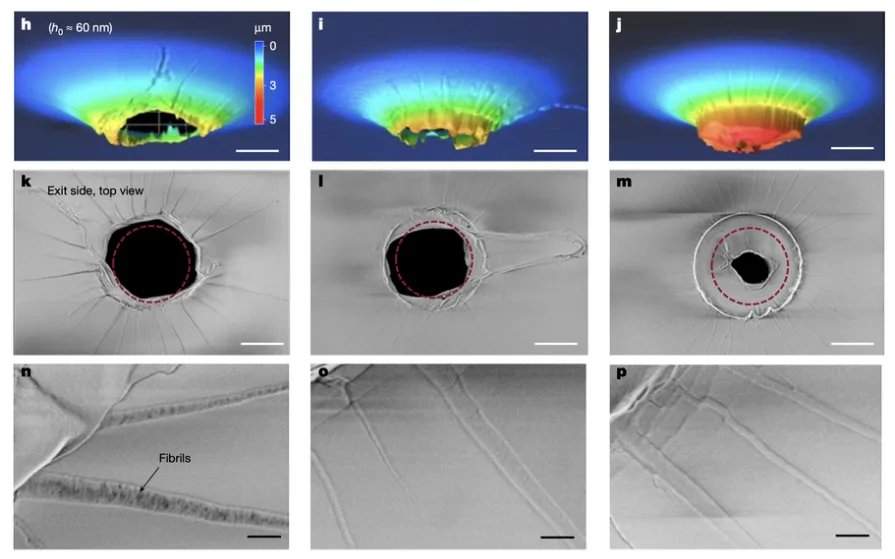
Unlike previous work focused on slow tearing, this new study aims to develop mechanophore-based strategies to resist rapid deformation caused by sudden impact. The researchers incorporated mechanophores directly as crosslinkers into common polymers and then validated them using laser-induced microprojectile impact testing (LIPIT). The LIPIT system was invented by co-senior author Keith Nelson, the Haslam and Dewey Professor of Chemistry. In the tests, tiny silica microbeads about 10 micrometers in diameter were fired at polymer films at speeds of approximately 750 meters per second. The energy absorbed by the material was calculated by measuring the change in particle velocity before and after passing through the film.
Experiments showed that mechanophore-crosslinked polystyrene absorbed significantly more energy from impacts than ordinary polystyrene. The researchers attribute this behavior to a local thermoset-to-thermoplastic transition driven by force and adiabatic heating, where selective mechanophore cleavage promotes viscoplastic deformation at the impact point while maintaining network integrity in the surrounding area. The researchers stated that this strategy demonstrated versatility in both glassy polystyrene and rubbery styrene-butadiene-styrene triblock copolymers. These results establish mechanophore crosslinking as a design principle for converting commodity polymers into impact-resistant materials and open new directions at the intersection of polymer mechanochemistry and extreme strain-rate material behavior.
Through experiments and simulations conducted with researchers from MIT, Purdue University, Northwestern University, and Duke University, the team discovered how mechanophores enhance impact resistance. When a high-speed particle strikes the material, the temperature at the impact point rises enough to form a mobile region. Within this region, mechanophore bonds selectively break under force, opening controlled channels to better absorb impact energy, while areas outside the impact point remain relatively unaffected and stable. Yoan Simon, Associate Professor at the School of Molecular Sciences at Arizona State University, noted that this approach imparts such properties to "off-the-shelf" commodity plastics, including both glassy and elastomeric types, with minimal chemical modification, demonstrating considerable scalability and relevance.
The researchers have successfully inserted mechanophores into SBS rubber (used in shoe soles, asphalt, and roofing materials) and observed similar effects. They are exploring whether the method can be applied to styrene-butadiene rubber, a key component of tires. If successful, the technology could produce more durable tires and reduce microplastics generated from tire-road contact—which accounts for at least 10% of microplastics in the environment. The team is also investigating whether the method applies to other polymer types, such as latex. Katharine Covert, Program Director at the National Science Foundation (NSF) Center for the Chemistry of Molecularly Optimized Networks, stated that materials containing energy-absorbing mechanophores could one day help prevent vehicle tire blowouts on highways or provide more protective casings for personal electronic devices.
This research was funded by the NSF Center for the Chemistry of Molecularly Optimized Networks, the U.S. Army Research Office through the MIT Institute for Soldier Nanotechnologies, the Schmidt Science Postdoctoral Fellowship, and the U.S. Air Force Office of Scientific Research. Former MIT postdocs Zhen Sang and Suong T. Nguyen, along with MIT graduate student Kwangwook Ko, are the first authors of the paper.
This article is compiled by Wedoany. All AI citations must indicate the source as "Wedoany". If there is any infringement or other issues, please notify us promptly, and we will modify or delete it accordingly. Email: news@wedoany.com
Related Products
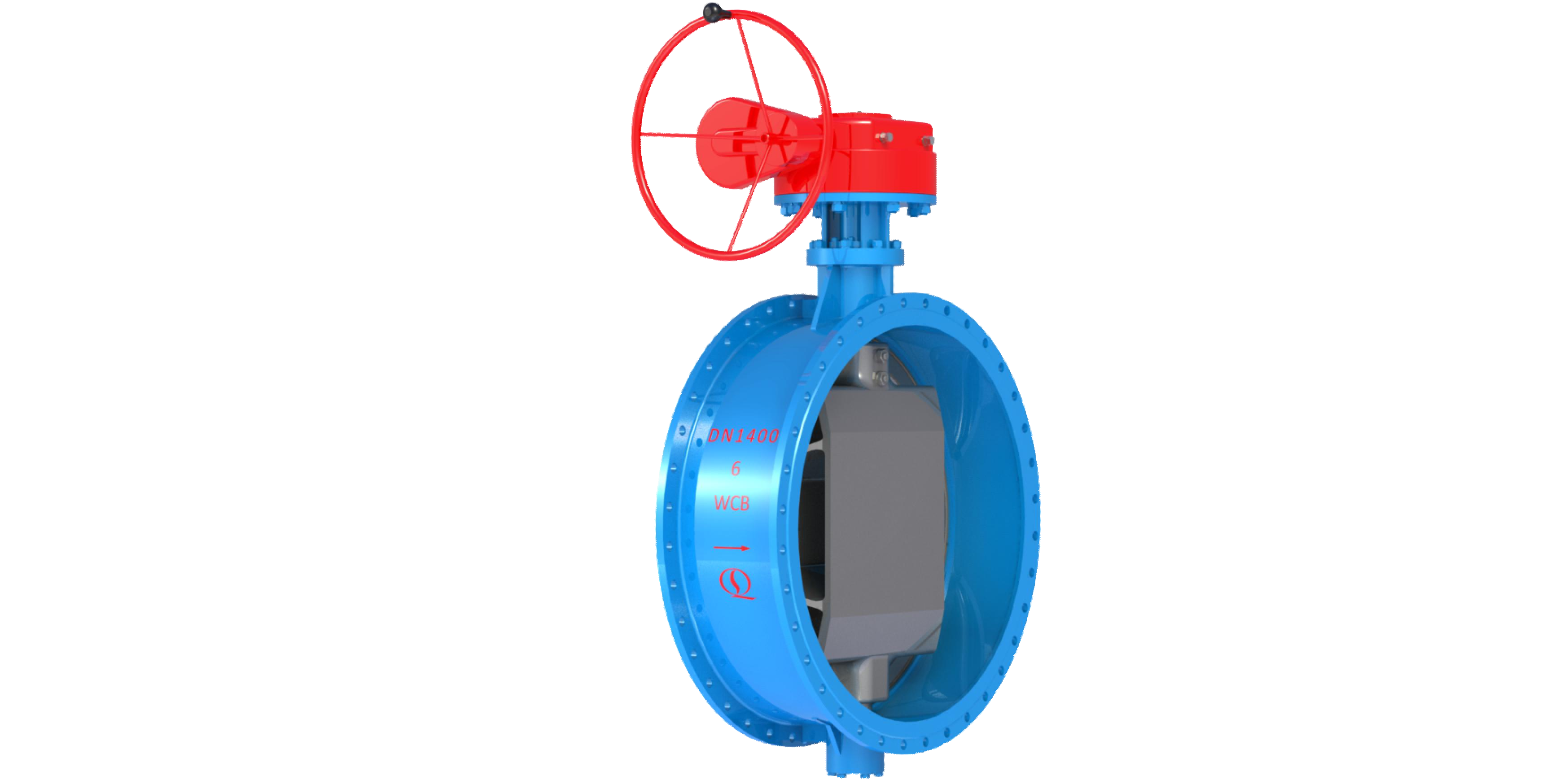

Bidirectional Metal Hard Sealed Seawater Butterfly Valve
Henan Quanshun Flow Control Science & Technology Co., Ltd.

Industrial and Commercial Point-Type Gas Detector
Jinan Benan Technology Development Co., Ltd.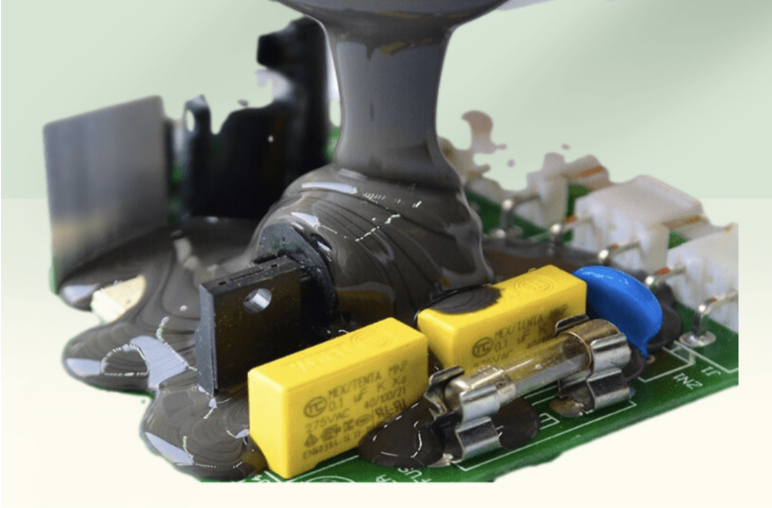
High Thermal Conductivity Encapsulating Resin
Nantong BESALL Sealing Technology Company.,Limited
Quick-Change Single-Seat Control Valve / Quick-Change High-Pressure Single-Seat Control Valve
Beijing Consen Automation Technology Co., Ltd.
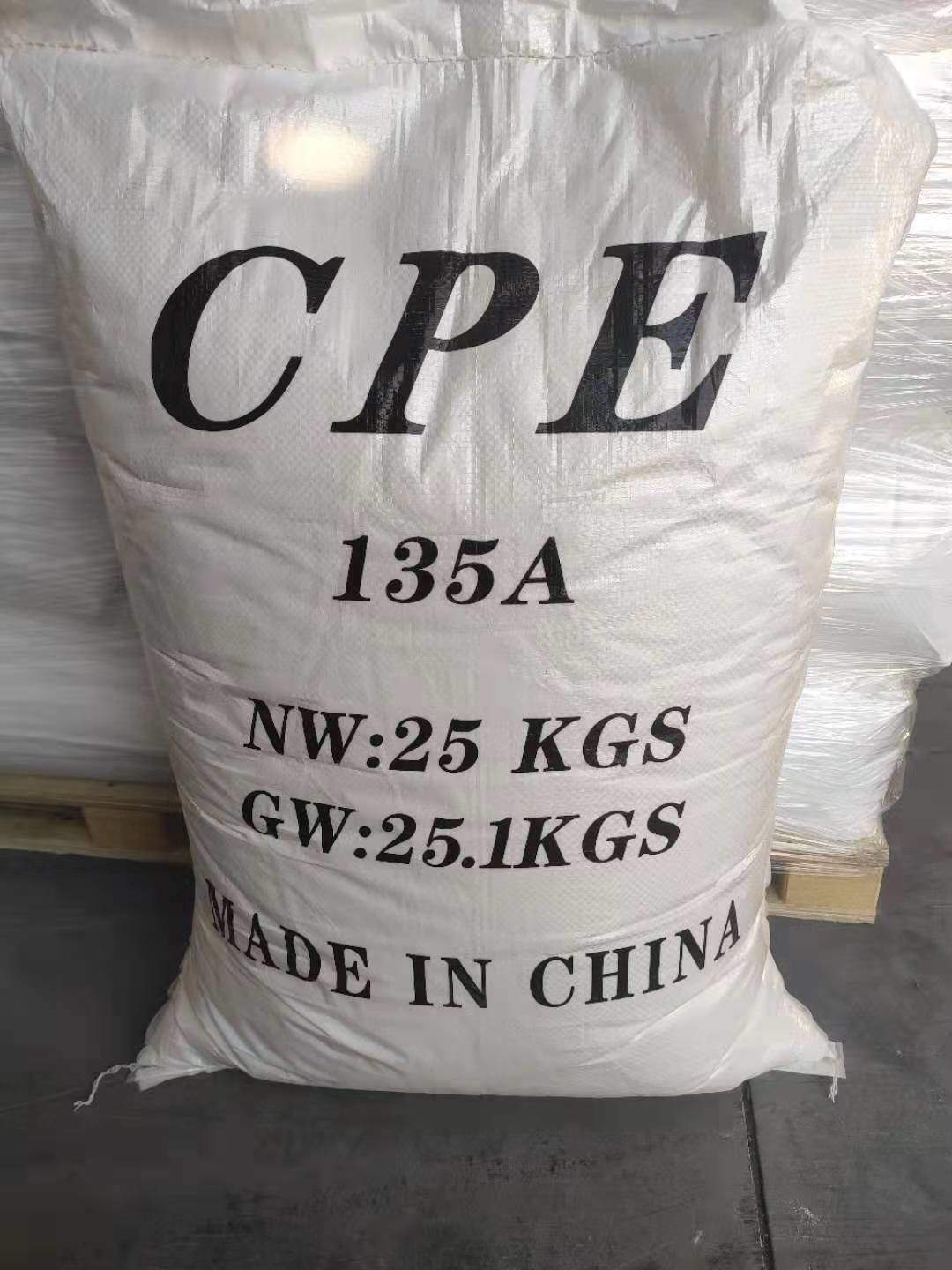
PVC Impact-Modified Chlorinated Polyethylene
Gansu Jinchuan Hengxin Polymer Technology Co., Ltd.
Steel Pipes for Refining and Coal Chemical Industries
YANGZHOU LONTRIN ENERGY EQUIPMENT CO.,LTD.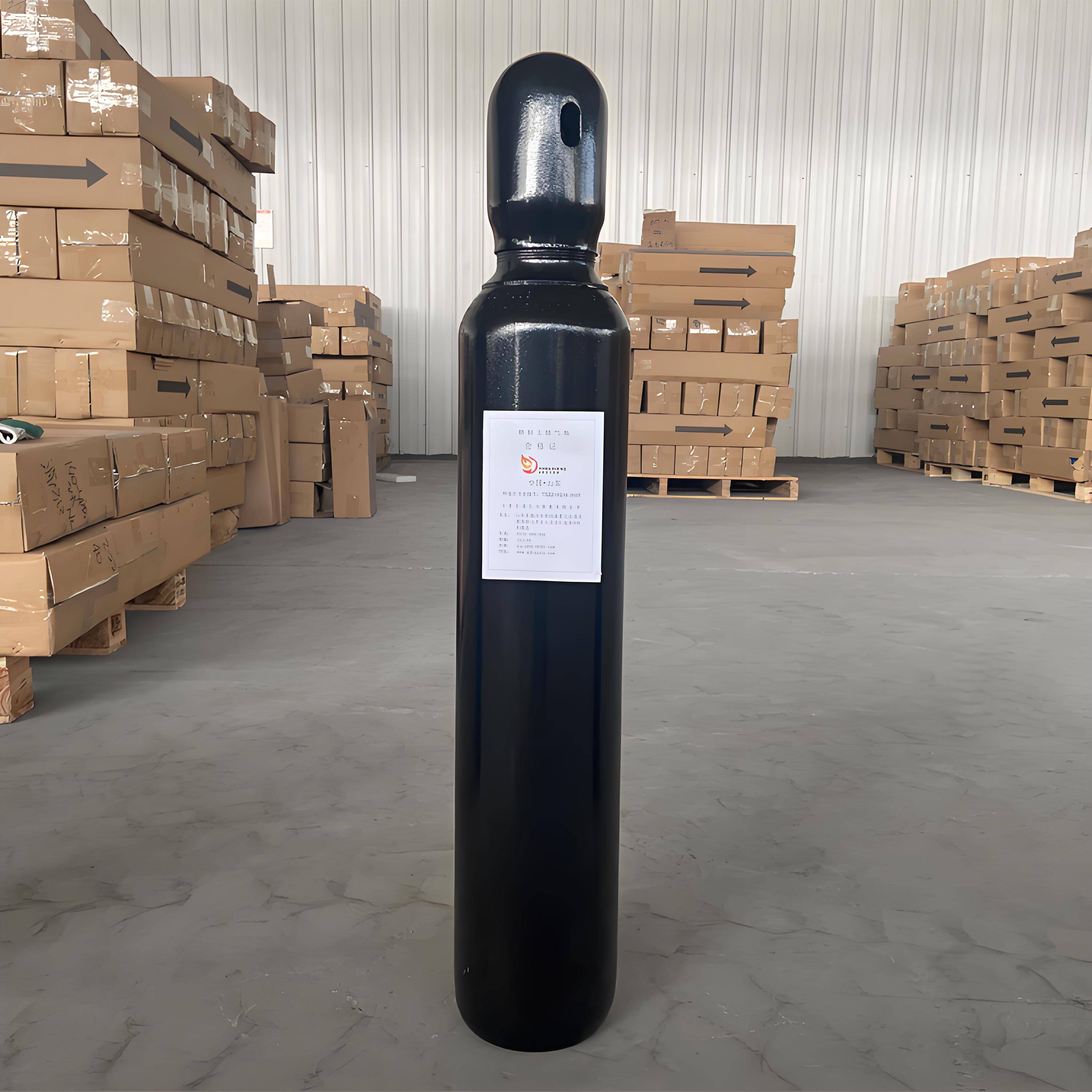
Nitrogen Export, Nitrogen Manufacturer, High-purity Nitrogen Supplier
Foshan Yuexin Industrial Gas Co., Ltd.

CAP1400 main feedwater flow nozzle flowmeter.
Jiangsu Hongda Instrument Technology Co., LTD.