Brazil Plans to Auction Railway Concessions Worth Approximately $28 Billion This Year
en.Wedoany.com Reported - Several Latin American countries have recently focused on advancing railway project plans, covering both freight and passenger transport, making progress driven by government initiatives and private capital participation. Brazil, Mexico, Argentina, and Chile have all announced significant measures in this regard.
Brazil is preparing to auction its first freight railway concession contract. Although the timeline has been delayed, the government is still pushing forward. Brazilian Minister of Transport Jorge Santoro told BNamericas that the government plans to launch the first railway concession tender in June, holding eight freight railway auctions this year, which could generate direct investments of 140 billion reais (approximately $28 billion). The first contract involves the Southeast Railway Loop (EF-118), approximately 571 kilometers long, connecting the city of Nova Iguaçu in Rio de Janeiro state to the city of Santa Leopoldina in Espírito Santo state, aiming to promote integration of the railway network in the Southeast region and expand access to key ports. The concession contract has a term of 50 years, with estimated capital expenditure of $4.2 billion and operating expenditure of $3.5 billion. The federal government will inject 4.1 billion reais into the EF-118 project to reduce risks and attract private sector interest.
The Mexican government plans to build at least 2,377 kilometers of new passenger and freight railway lines during President Claudia Sheinbaum's six-year term, aiming to revitalize public railway investment and expand the national railway network. The plan involves infrastructure, rolling stock, and railway supply contracts totaling over 169 billion pesos (approximately $9.7 billion). At a press conference, Sheinbaum compared the new plan with previous administrations, noting that 65 kilometers were built under Felipe Calderón, 187 kilometers under Enrique Peña Nieto, 1,736 kilometers under Andrés Manuel López Obrador, and the current government's target is at least 2,377 kilometers of public railways. Andrés Lajous, head of the General Directorate of Public Trains and Transport, stated that the plan aims to restore public railway investment and expand regional passenger and freight infrastructure. The largest investment project is the Saltillo-Monterrey-Nuevo Laredo corridor, with an estimated investment of 105.633 billion pesos, involving the construction of 396 kilometers of track, 13 stations, maintenance bases, workshops, yards, and operating systems. 90% of contracts have been awarded, with 23 active work zones along 177 kilometers of intervention sections. The second largest project is the Querétaro-Irapuato section, with the government committing 36.319 billion pesos to build 108 kilometers of double-track line, five stations, maintenance bases, workshops, a depot, and two refueling areas. The federal railway plan also includes basic engineering projects for an additional 1,326 kilometers on lines such as Irapuato-Guadalajara, Querétaro-San Luis Potosí, San Luis Potosí-Saltillo, and Mazatlán-Los Mochis.
Argentina maintains an extensive railway investment plan aimed at repairing infrastructure, improving operational safety, and advancing a strategy to attract the private sector. The core focus is the privatization of the state-owned enterprise Belgrano Cargas y Logística, which transports agricultural products, minerals, and industrial goods. The works are part of the railway public emergency declared in 2024, which allocated 1.3 trillion pesos (approximately $900 million) for modernization projects, with funds primarily used for track and bridge renewal (31%), procurement and refurbishment of rolling stock and workshops (27%), and signaling systems (26%). The Railway Infrastructure Administration launched a tender to install automatic train stop systems on 140 locomotives operated by Belgrano Cargas, Nuevo Central Argentino (NCA), Ferrosur, and Ferroexpreso Pampeano in the Buenos Aires metropolitan area, with an estimated investment between $20 million and $35 million. Investment progress is concurrent with the government's push to redesign the railway concession framework. The privatization of Belgrano Cargas will be structured through separate tenders for tracks, locomotives, freight cars, and workshops. The company operates a network of approximately 7,600 kilometers, crossing 16 provinces and connecting Argentina with Chile, Bolivia, Paraguay, Brazil, and Uruguay. While preparing for the sale of this state enterprise, the government has chosen to extend existing private concessions: NCA's contract extended to 2032, Ferrosur to September 2026, and Ferroexpreso Pampeano to April 2027, and has begun drafting a new model for railway operating contracts.
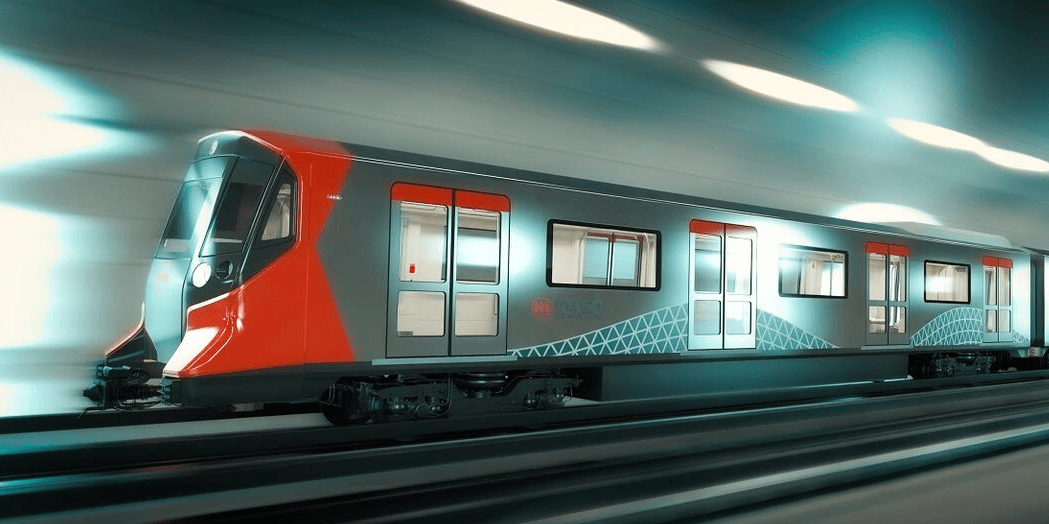
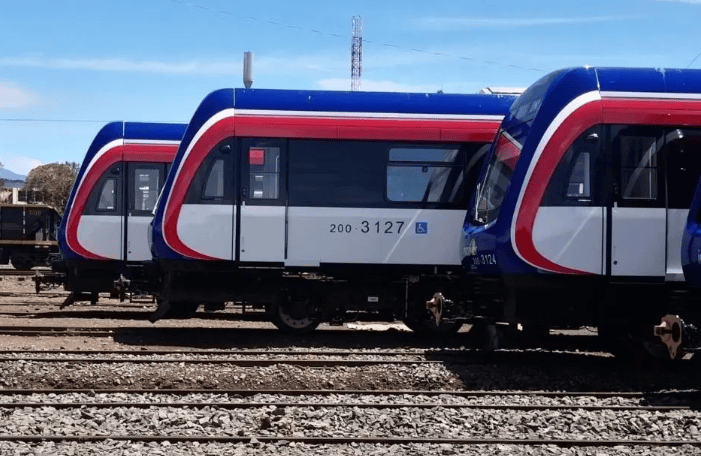
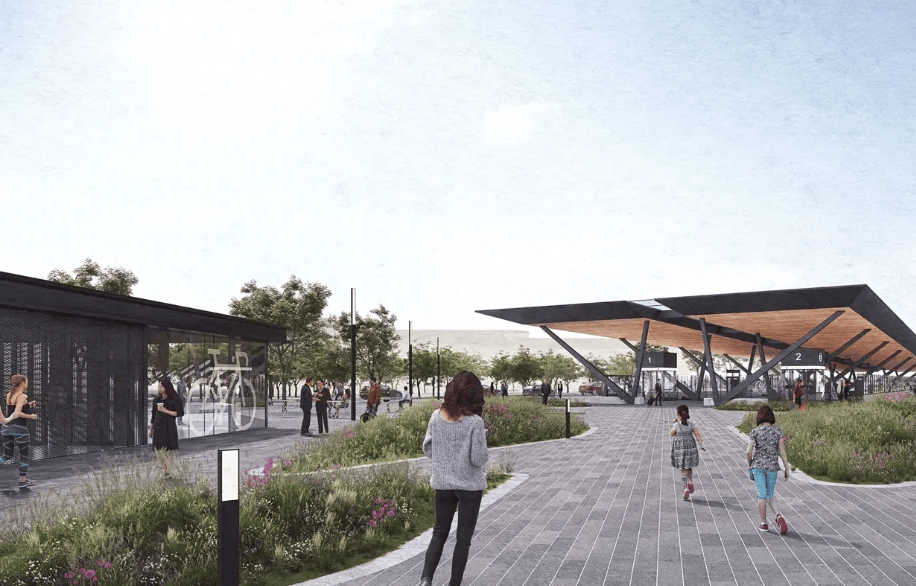
Chile's $5.71 billion plan to expand its passenger train network received key environmental approval in May, covering an $880 million expansion project to extend the Valparaíso metro system to the cities of Quillota and La Calera. The project adds 26 kilometers to the existing Merval network, building five new stations and renovating one station in La Calera, with construction planned to start in 2028 and operations in 2030. This is part of state-owned railway company EFE's 2024-2031 plan, aiming to achieve a target of 150 million passengers per year. Ongoing projects include: the Santiago-Melipilla railway (investment of $1.89 billion, 61 kilometers, 11 stations, connecting Melipilla with the Santiago Central Station area, expected to be fully operational by 2030, 23.4% complete as of the end of April); the Santiago-Batuco railway (investment of $951 million, 26 kilometers, 8 stations, connecting the municipality of Lampa with the Quinta Normal district of Santiago, planned for full operation by 2031, 14.8% complete); the Chillán-Central Station service improvement project (investment of $178 million, modernizing 400 kilometers of railway lines and 12 stations, building a new maintenance center in Chillán, expected to be completed by 2027, 54.8% progress); and the Biotrén extension to Lota (investment of $185 million, adding 9.2 kilometers and five stations, connecting the city of Lota, expected to operate by 2030, 4.5% complete). Projects in the pre-investment phase include: the Arica and Parinacota passenger service ($32 million, pre-feasibility 80% complete); the Concepción-Los Ángeles railway service ($99 million, pre-feasibility 72.6% complete); the North-South Metropolitan railway service ($199 million, pre-feasibility 60% complete); the O'Higgins and Ñuble railway service ($218 million, pre-feasibility 55% complete); and the Biotrén northern extension ($160 million, feasibility study initiated).
This article is compiled by Wedoany. All AI citations must indicate the source as "Wedoany". If there is any infringement or other issues, please notify us promptly, and we will modify or delete it accordingly. Email: news@wedoany.com
Related Products



ERW Welded Pipe (Black Pipe and Hot-dip Galvanized Steel Pipe)
Handan Zhengda Steel Pipe Co., Ltd.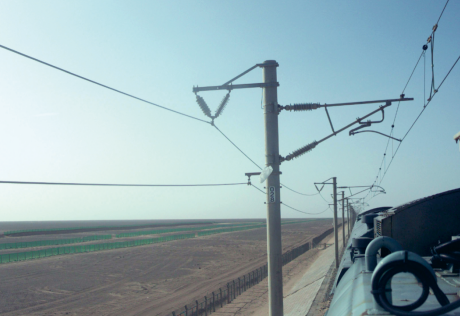
Pantograph-Catenary Comprehensive Detection Device (1C)
CHENGDU TANGYUAN ELECTRIC CO., LTD.
Wheel and Track Technology Business
Beijing Research & Design Institute of Rubber Industry Co., Ltd.
3m intelligent buoy combining navigation safety and real-time marine monitoring integrated navigation and marine monitoring system for real-time maritime data
Chengdu Dixin Technology Co., Ltd.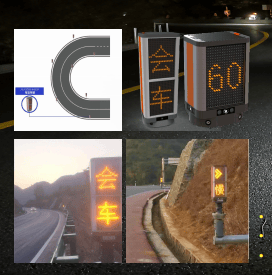
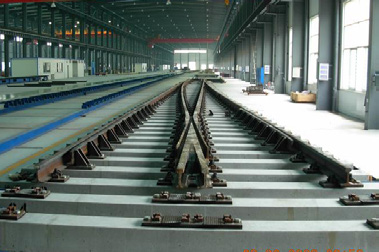
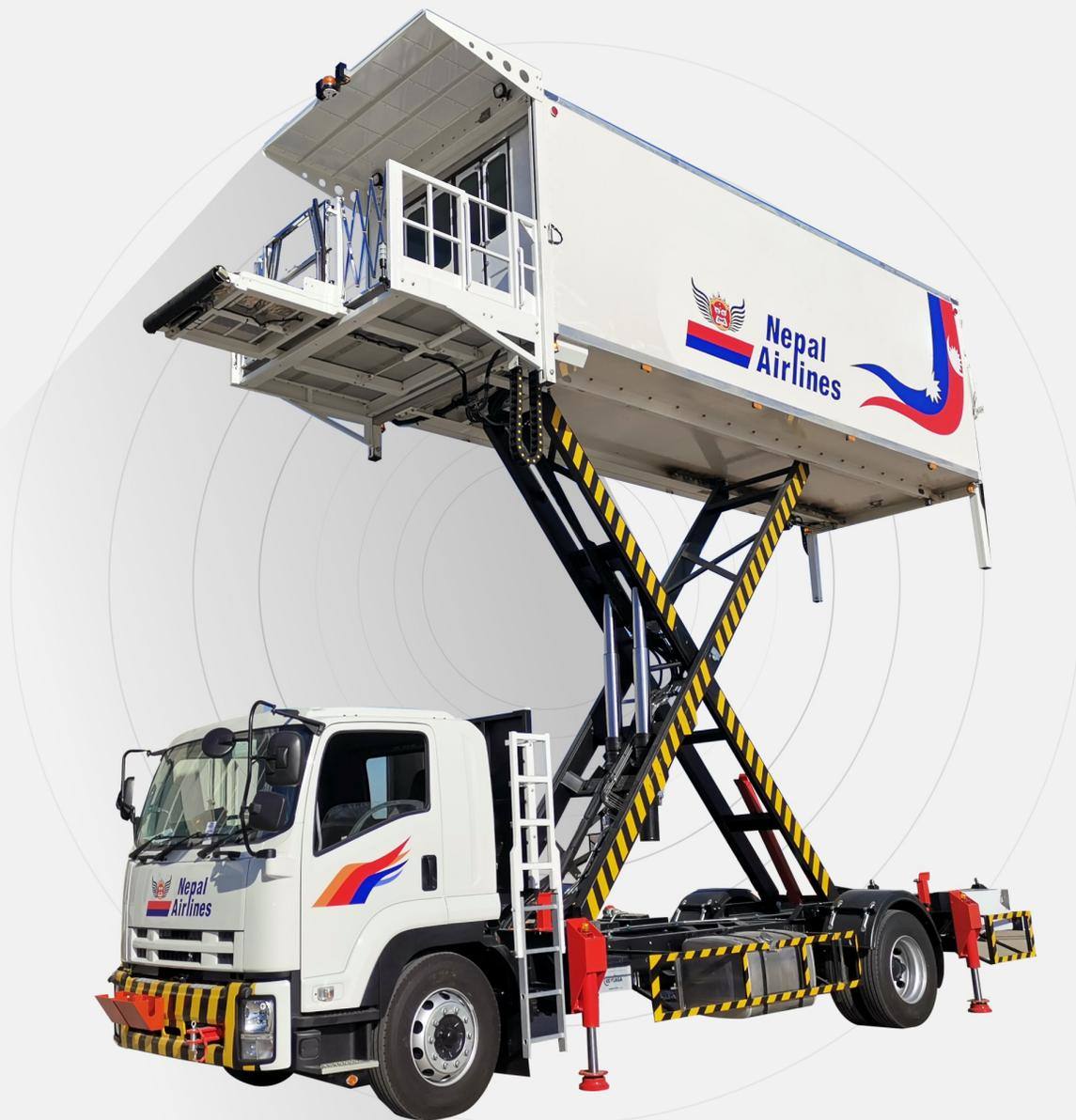
XC-6000e Type Aviation Catering Truck (Fuel Type)
Shenzhen CIMC-TianDa Airport Support Ltd.