UK's Precision Micro Advocates Data-Driven Metal Forming Process Selection
en.Wedoany.com Reported - Precision Micro, a UK-based precision etching company, argues that the method of manufacturing metal components should be chosen based on data rather than industry conventions. The company treats surface integrity, residual stress, and microstructure as quantifiable process outcomes, positioning material analysis as the core basis for high-precision manufacturing decisions.
Ben Kitson, Head of Business Development at Precision Micro, leads technical assessments and redefines metal forming processes as a quantitative decision-making exercise. Mechanical methods such as stamping, punching, and CNC machining remain cost-effective for high-volume production but introduce plastic deformation, burrs, and internal stresses, thereby reducing fatigue life and dimensional stability. Thermal methods, including laser and EDM, avoid force-induced deformation but generate heat-affected zones, altering microstructure and creating recast layers that require subsequent finishing.
In practice, different methods can be categorized as force-based removal, thermal-based removal, and chemical dissolution. Mechanical forming relies on direct contact, causing plastic deformation in surrounding areas and generating residual stresses; thermal methods avoid physical loads, but localized thermal cycling alters near-surface layers, reducing the strength of certain alloys. In contrast, chemical etching uses photoresist masks and etchants to remove exposed metal without mechanical force or significant heat. This process preserves the integrity of the base microstructure, avoids burrs and deformation, and maintains hardness, grain structure, and ductility. For manufacturers processing thin-walled, complex, or high-integrity components, this approach offers both technical and economic advantages.
The key shift lies in moving process selection from rule-of-thumb to parametric, model-driven decision-making. Surface integrity indicators such as residual stress distribution, microstructural changes, and edge condition are now being treated as input variables that can be simulated, monitored, and optimized, combined with geometry and yield data. This is particularly critical in electronics, automotive, aerospace, and medical device manufacturing, where tolerances are tight and failure costs are high. By quantifying how different methods alter material properties, companies can align process selection with reliability, service life, and compliance, rather than relying on traditional practices or considering only immediate costs.
The analysis draws on existing research, including studies from the UK National Physical Laboratory on residual stress and deformation, as well as broader research on heat-affected zones and surface integrity. This context positions chemical etching as a complementary option within the precision manufacturing ecosystem. Future manufacturing technology platforms will need to integrate process physics models, material property databases, and digital twin environments, which also reinforces collaboration among material suppliers, equipment providers, metrology experts, and process companies like Precision Micro.
In the medium term, precision manufacturing is shifting from descriptive to predictive process selection. As 2026 progresses, the importance of selecting forming methods based on quantified surface integrity outcomes will become at least as significant as speed or unit cost. For manufacturing data and technology professionals, this means building process selection frameworks that link available forming methods with material datasets, simulation outputs, and downstream reliability targets. Precision Micro's assessment indicates that a part's geometry is only part of the consideration; its manufacturing method will ultimately determine performance.
This article is compiled by Wedoany. All AI citations must indicate the source as "Wedoany". If there is any infringement or other issues, please notify us promptly, and we will modify or delete it accordingly. Email: news@wedoany.com
Related Products



High-Speed Railway Lifting, Transporting, and Erecting Equipment: Integrated Transport and Erection Machine
Hanjiang Heavy Industry Co., Ltd. of China Railway 11th Bureau Group
High-Speed Flexible Fully Automatic Stamping Production Line
JIER Machine-Tool Group Co., Ltd.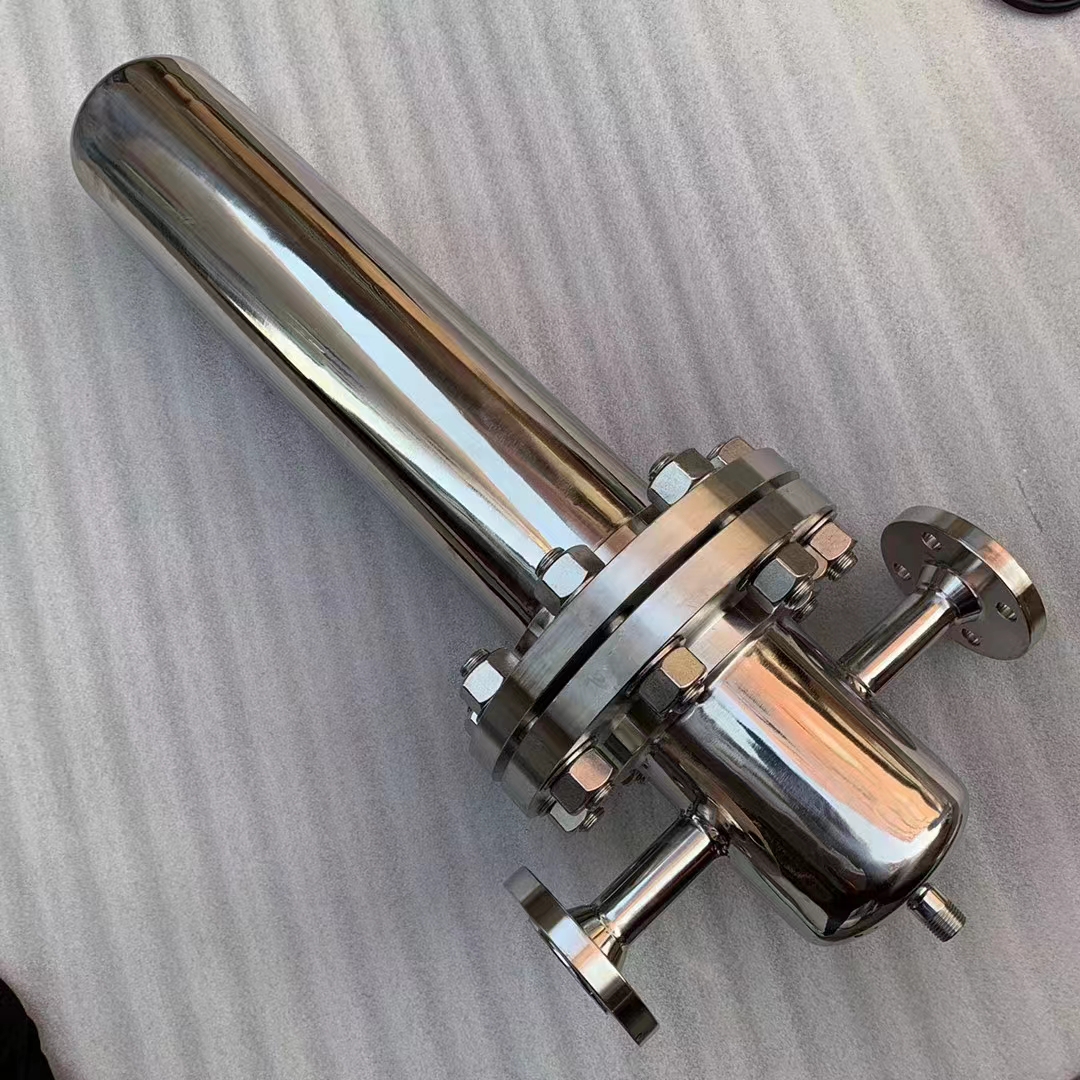
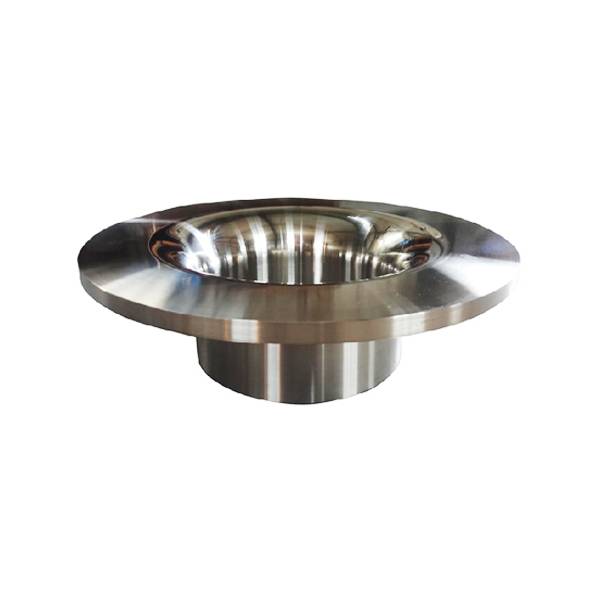
Standard Nozzle Flowmeter
Jinggong Automatic Control Instrument Complete Technology Development Company
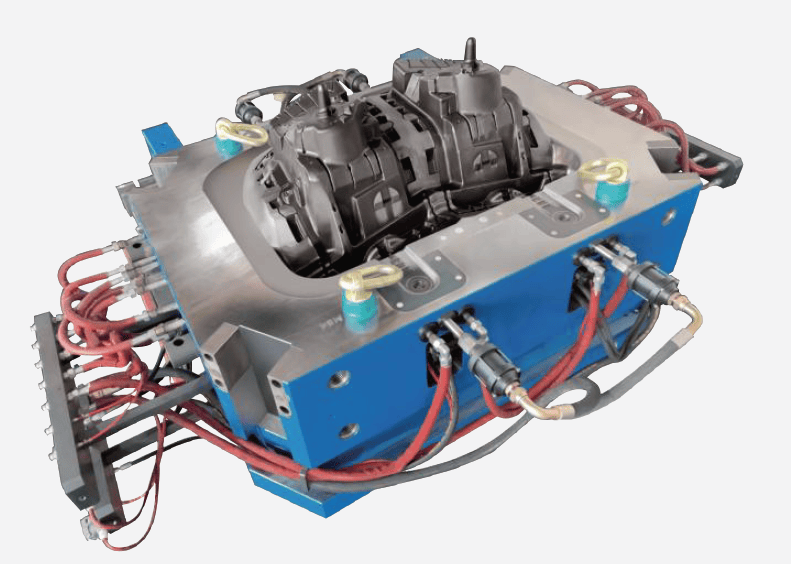
Aluminum-Magnesium Alloy High-Pressure Die-Casting Molds
NINGBO HELI TECHNOLOGY CO., LTD.
Industrial and Commercial Point-Type Gas Detector
Jinan Benan Technology Development Co., Ltd.