Northeastern University Launches GENESIS to Accelerate 5G/6G Wireless R&D
en.Wedoany.com Reported - On June 4, the Institute for the Wireless Internet of Things at Northeastern University launched the GENESIS agentic AI framework for 5G/6G cellular radio access network software development, capable of transforming specification clauses or research ideas into over-the-air code verified on production-grade 5G hardware.
GENESIS addresses the lengthy R&D cycle of radio access networks. Traditionally, transitioning cellular network functions from 3GPP specification clauses to actual wireless implementations requires engineers to read standard documents, write protocol code, debug interfaces, complete multi-vendor stack integration, and perform conformance and interoperability testing on real hardware, with single iterations often taking months. GENESIS breaks this process into an R&D pipeline executable by agents, enabling automatic planning, coding, testing, and iteration around a high-level intent, extending the verification path from software simulation to channel simulation and then to real over-the-air transmission on Northeastern University's Open6G testbed. The framework also writes code changes, test results, and operation logs back to a persistent knowledge base, allowing subsequent tasks to reuse accumulated engineering experience.
The framework covers RAN software development, testing, hardening, optimization, discovery, and security, with core scenarios including 3GPP key performance measurements, conditional handover process optimization, and 5G MAC scheduling algorithm generation.
5G and future 6G networks are evolving toward open, programmable, and AI-native architectures. The Open RAN architecture enables the decoupling of base station software and hardware, while also increasing the complexity of combinations among protocol stacks, wireless algorithms, computing platforms, and test environments. To verify new functions within shorter cycles, operators and equipment vendors need to integrate standard comprehension, code generation, hardware testing, and network optimization into a single closed loop. GENESIS employs agents, skills, hooks, and the SYNAPSE knowledge layer as its system foundation, where agents handle domain reasoning, skills execute deterministic infrastructure operations, hooks ensure security checks and audit trails, and SYNAPSE unifies 3GPP and O-RAN specifications, test artifacts, and operational results into a unified knowledge plane. This design eliminates the need for manual handoffs across multiple tools and test environments in wireless R&D, providing a more engineering-practical path for future AI-native wireless networks, automated protocol verification, and rapid 6G function prototyping.
In representative 5G function implementation tasks, GENESIS achieved a 100% success rate across multiple independent runs, while a general-purpose coding agent used as a control failed to generate a working implementation under the same tools and testbed conditions. Future applications still require verification under more complex network scenarios, diverse device combinations, and carrier-grade security requirements, but this framework has already brought agentic AI into the underlying processes of cellular network R&D, promising to shorten the distance from specification and experimentation to real network verification for 5G/6G functions.
This article is compiled by Wedoany. All AI citations must indicate the source as "Wedoany". If there is any infringement or other issues, please notify us promptly, and we will modify or delete it accordingly. Email: news@wedoany.com
Related Products

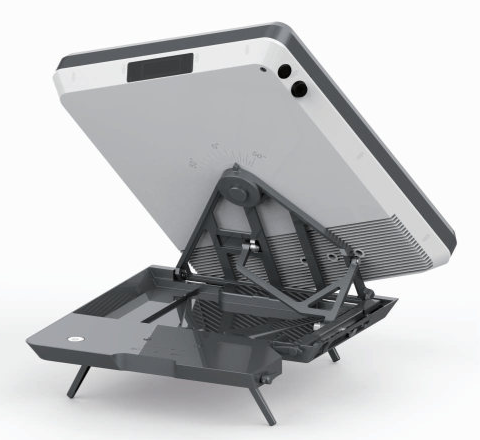
Flat Portable Satellite Terminal 0.35m Aperture Manual Portable Terminal
China Starwin Science & Technology Co., Ltd.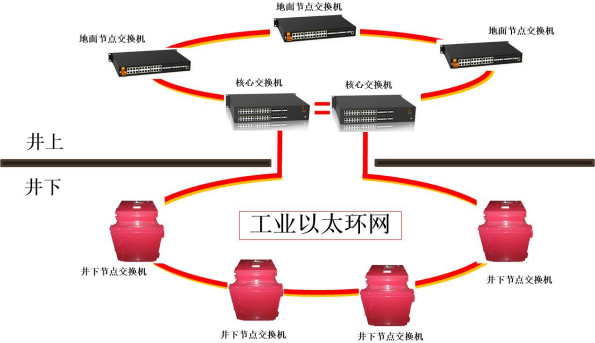
Mine Explosion-proof and Intrinsically Safe Industrial Ethernet Ring Network (10 Gigabit/Gigabit)
Chongqing Mas Sci&Tech Co., Ltd.

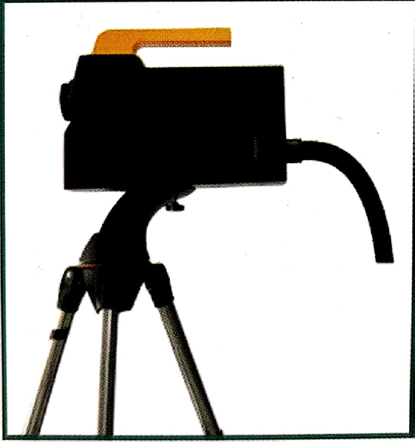
Automatic Aiming Laser Remote Obstacle Removal Robot
Pinggao Group Weihai High-Voltage Apparatus Co., Ltd.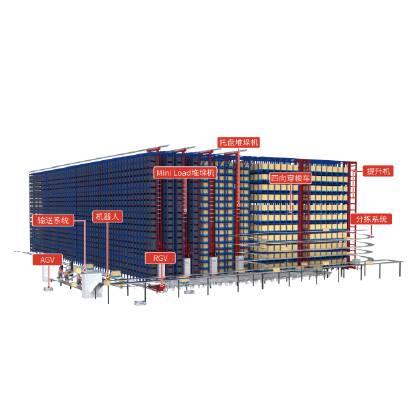
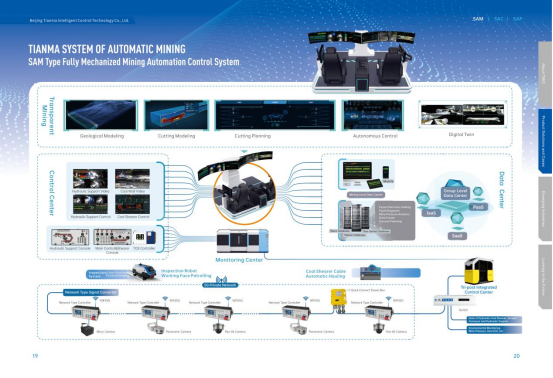
Comprehensive Mining Automation Control System
Beijing Tianma Intelligent Control Technology Co., Ltd.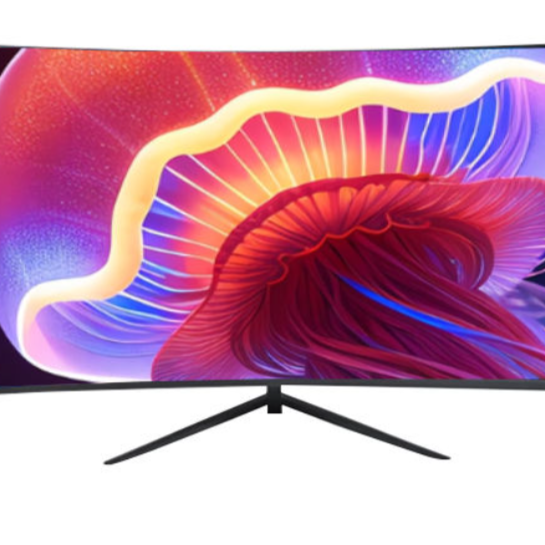
20 Inch 1600*900 Full HD 60Hz TFT LED Monitor with VGA and DP Interfaces for Desktop Computers-Business Use
Guangzhou Zanying Optoelectronics Technology Co., Ltd.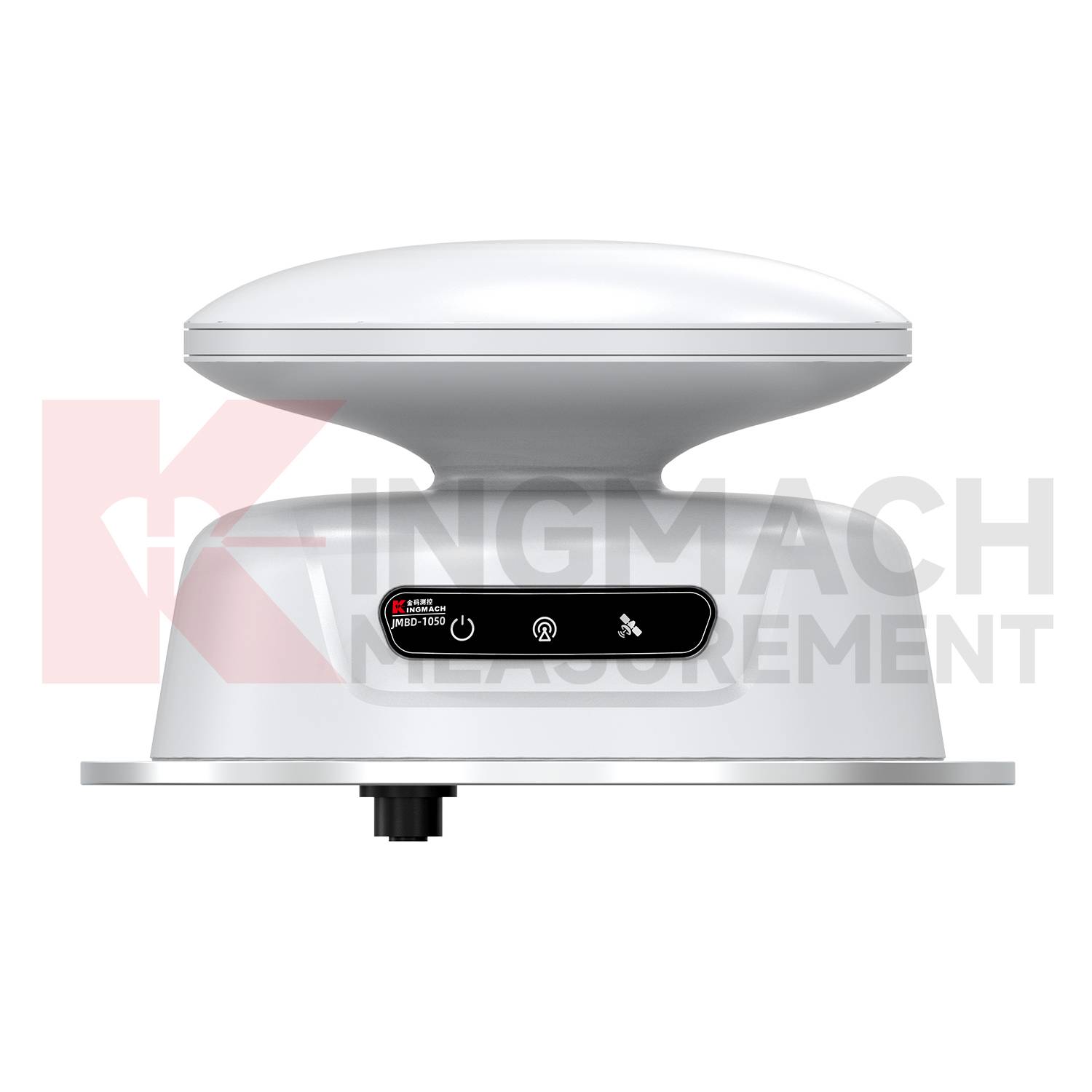

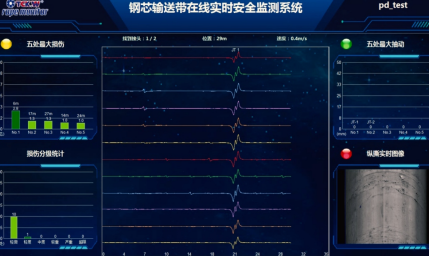
Conveyor Belt Intelligent Monitoring System
LUO YANG WIRE ROPE INSPECTION TECHNOLOGY CO., LTD.