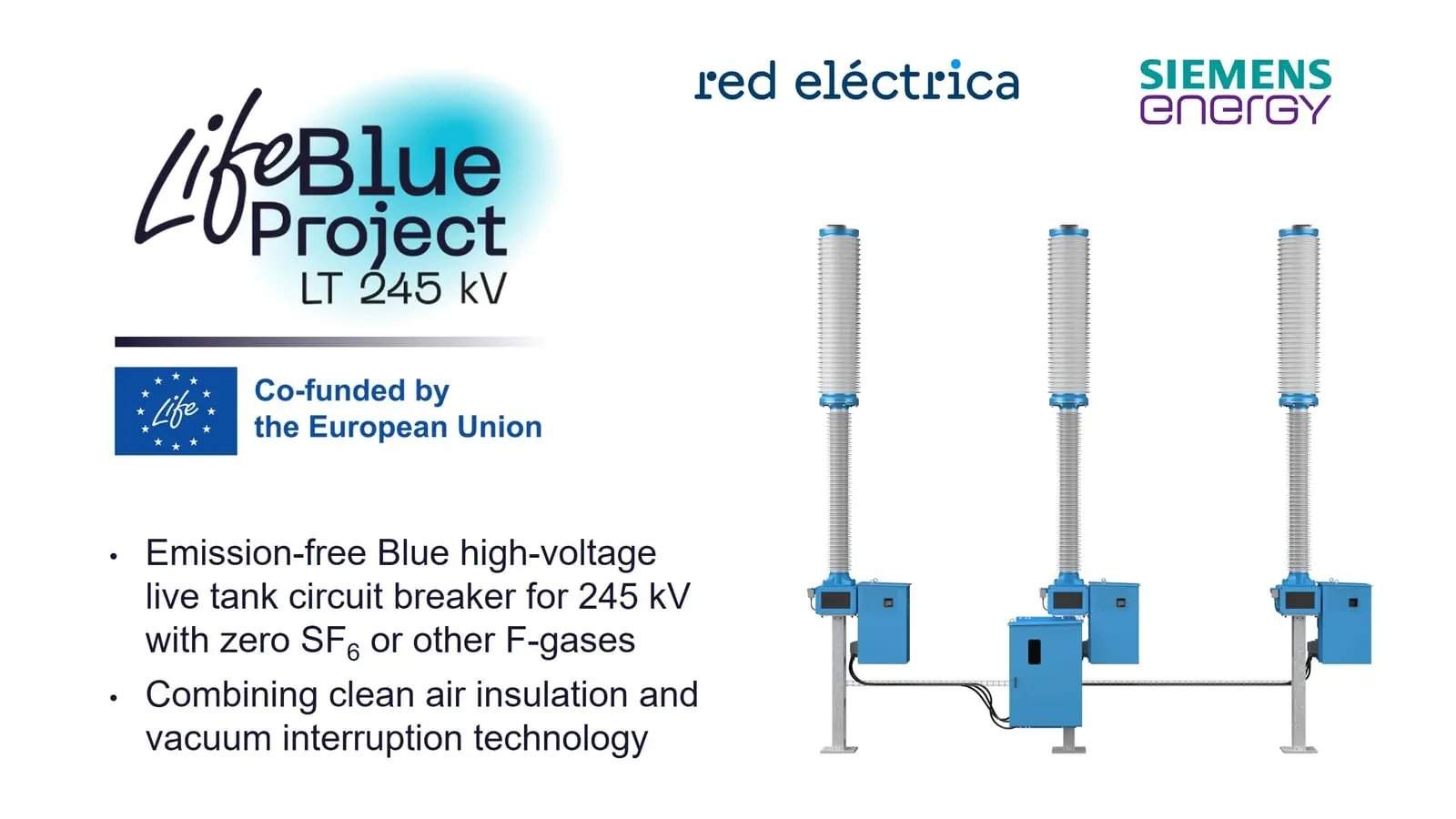
en.Wedoany.com Reported - Siemens Energy, through the EU co-funded LIFE BLUE project, has introduced a 245kV single-break vacuum circuit breaker using clean air insulation (N₂/O₂, with a global warming potential of zero). This technology aims to replace traditional sulfur hexafluoride (SF₆) gas, achieving fluorine-free gas emissions throughout the entire lifecycle of high-voltage transmission equipment.
Sulfur hexafluoride (SF₆) has long served as the benchmark medium for high-voltage gas-insulated switchgear (GIS) due to its insulation and arc-quenching properties. However, its global warming potential of 24,300 and atmospheric lifetime exceeding 1,000 years impose a significant environmental burden. The revised EU F-gas Regulation (2024/573) introduces strict restrictions for new installations of equipment above 52kV from 2028, prohibiting the use of gases with a global warming potential higher than 1, driving the industry toward more sustainable technologies.
Against this backdrop, the LIFE BLUE 245kV Live Tank Vacuum Circuit Breaker (LT VCB) project is funded by the EU LIFE program. The consortium includes Siemens Energy (Germany) and five transmission system operators from Belgium, France, Spain, Austria, and Germany (four of which form an expert advisory board). The project employs N₂/O₂ insulation (80% N₂ / 20% O₂) with a global warming potential of zero, directly contributing to Europe's net-zero emission targets and the decarbonization of the power sector. The core innovation lies in integrated design, engineering, advanced modeling, and field validation, demonstrating the feasibility of emission-free vacuum circuit breaker technology under real grid conditions.
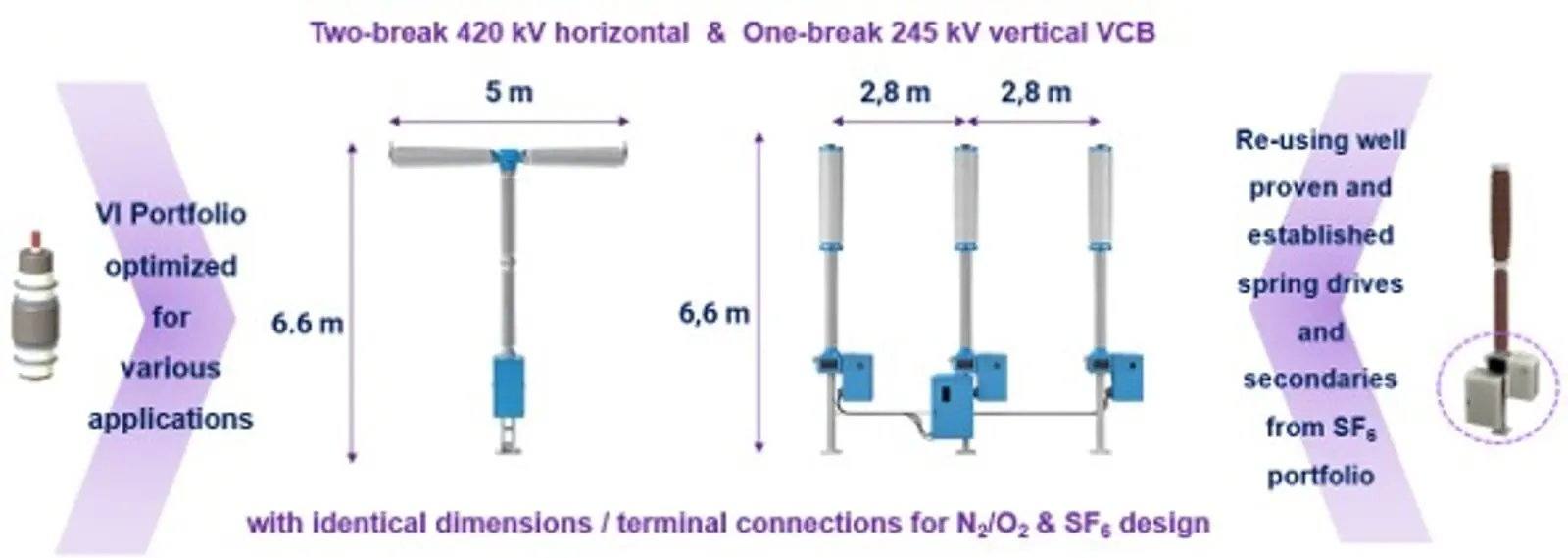
The project is divided into six work packages: strategic coordination and technology development, type test design validation, pilot implementation and grid operation, techno-economic and environmental impact assessment, and scaling and market adoption strategy. The timeline covers the entire process from design and validation to pilot deployment. The design is based on IEC 62271-1 and IEC 62271-100 standards, covering insulation, switching performance, thermal management, mechanical stability, and environmental endurance. To reduce manufacturing complexity, the goal is to cover the entire product portfolio with a minimum number of standardized components, simplifying production, reducing inventory and logistics costs, and shortening delivery times.
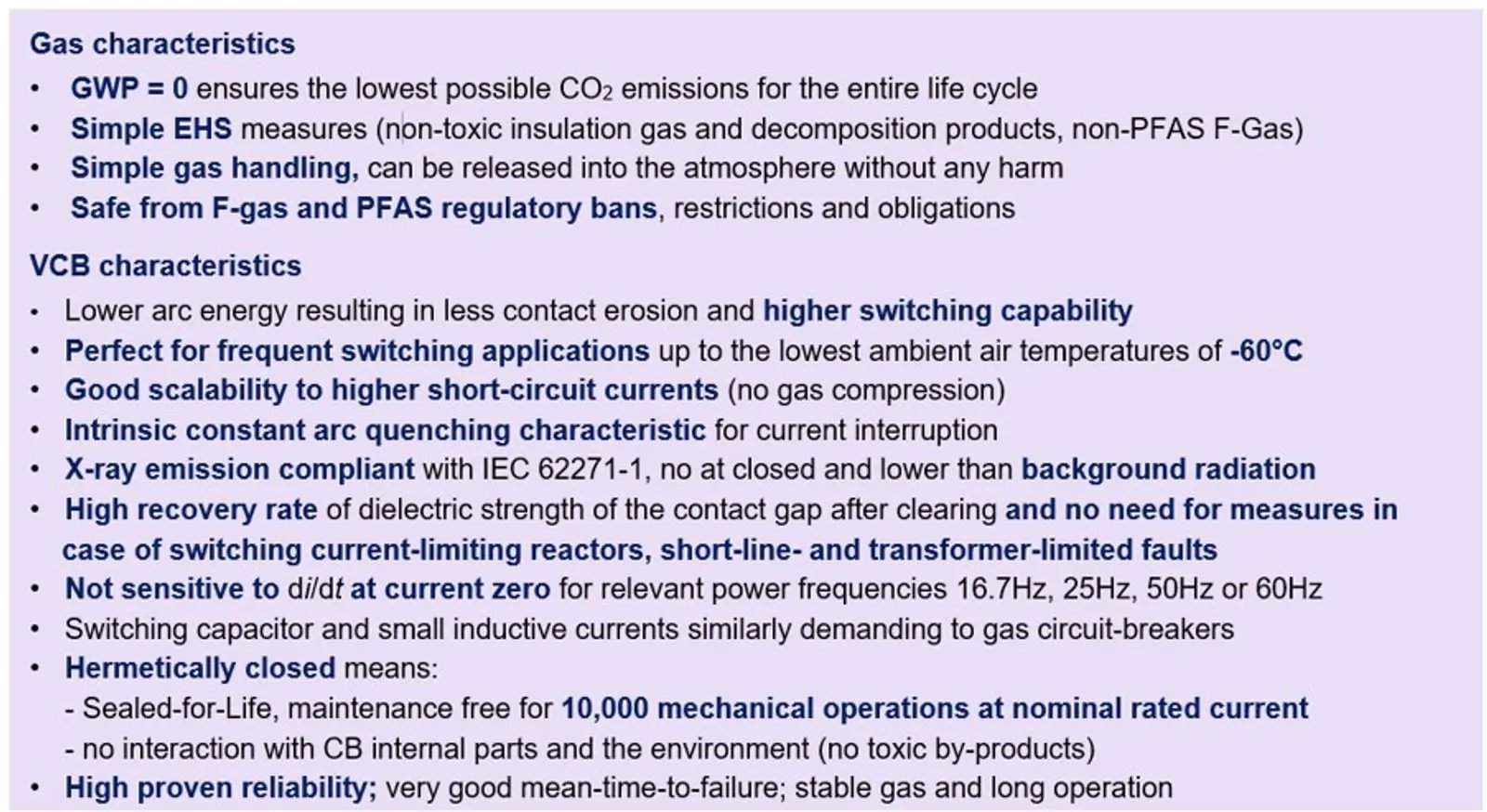
On the technical level, N₂/O₂ insulation is non-toxic, requires only minimal environmental health and safety measures, and can be safely released into the atmosphere with no environmental impact. It offers excellent thermal stability, negligible decomposition, and outstanding long-term stability, eliminating the need for complex gas handling, monitoring, recovery, or reporting. Vacuum circuit breakers provide high dielectric strength, fast current interruption, minimal contact wear, longer maintenance intervals, and higher reliability. Compared to traditional SF₆ designs, the multidimensional advantages are clear.
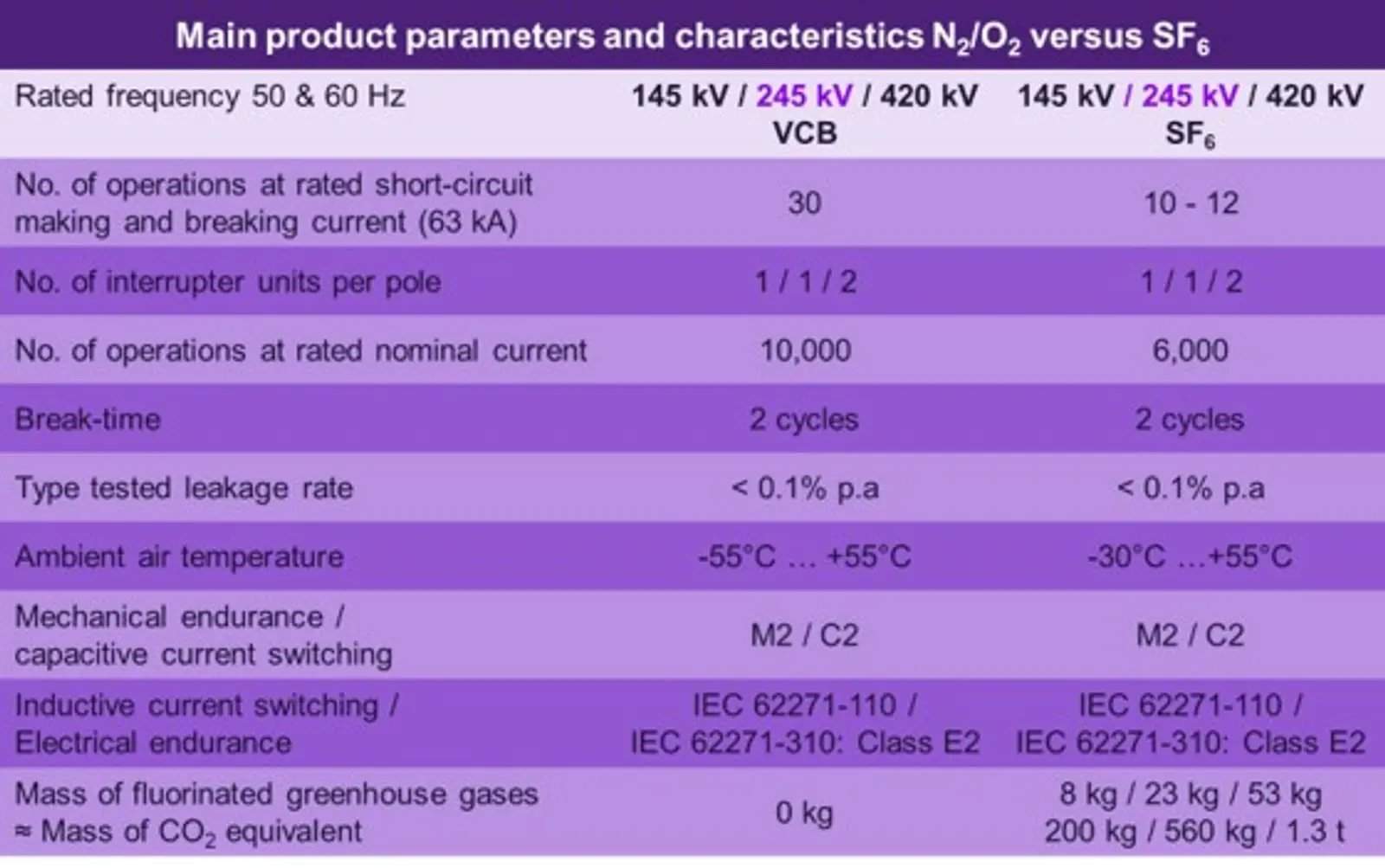
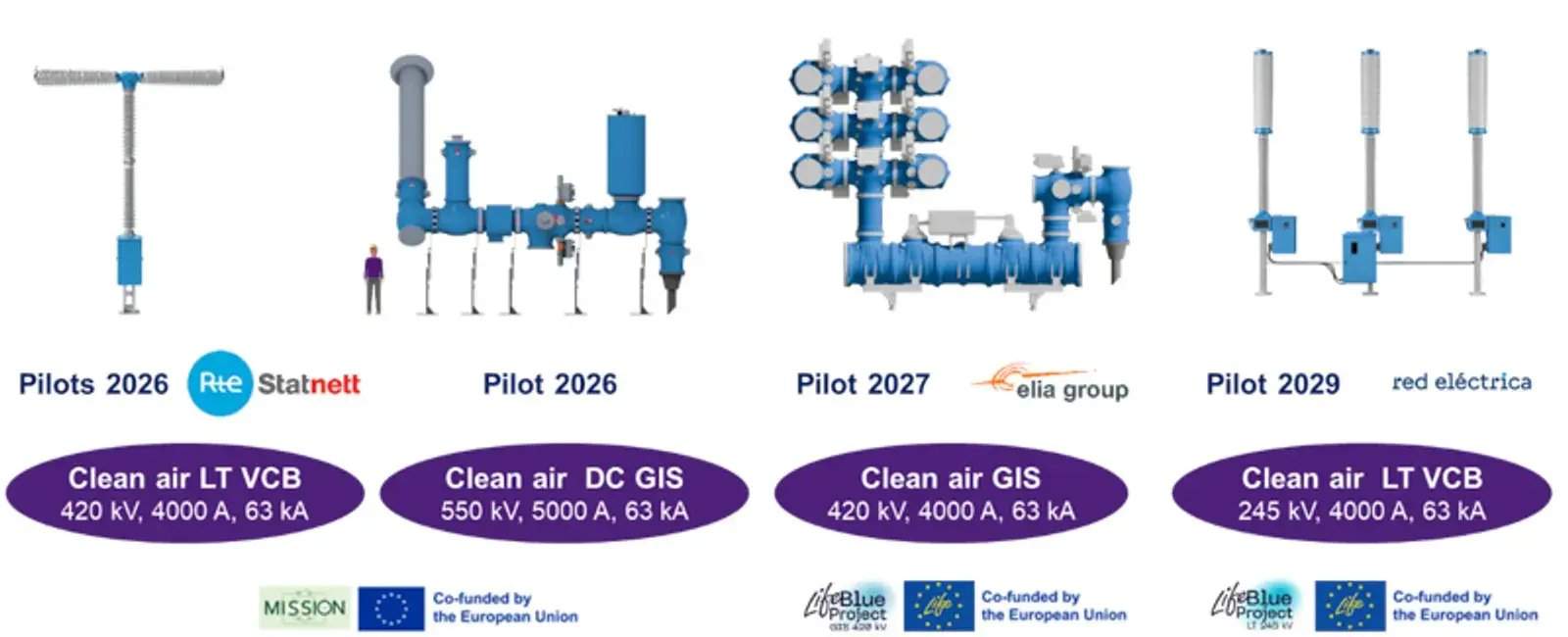
Pilot implementation is a key milestone for the project: in collaboration with the Spanish transmission system operator Red Eléctrica, an existing SF₆-insulated live tank circuit breaker will be replaced with an N₂/O₂ solution, eliminating greenhouse gas emissions. Installation is planned for 2029, following the successful completion of all type tests and certification procedures. During the pilot phase, on-site handling procedures, gas quality and system tightness, switching performance, and X-ray emission measurements will be evaluated to verify long-term stability, safety, and high-voltage interruption capability.
The global market for fluorine-free gas technology is accelerating in acceptance: over 8,000 orders for fluorine-free gas equipment have been received to date, with more than 3,000 units already in operation. The development of standardization and shared technology platforms drives economies of scale, reduces system complexity, and improves product reliability. For grid operators, this technology translates into simplified maintenance, enhanced interoperability and supply chain resilience, and supports utilities in meeting increasingly stringent environmental, social, and governance (ESG) goals and regulatory requirements.
The LIFE BLUE 245kV project defines clear upcoming milestones: design and validation completion in 2027, type testing in 2028, and pilot deployment in Spain in 2029. The project consortium is committed to accelerating market adoption and strengthening the industrialization pathway, establishing fluorine-free gas technology as the new industry standard for high-voltage infrastructure. Strategic highlights include: confirmation of techno-economic feasibility, validation of stability and safety under real grid conditions, measurable lifecycle CO₂ reduction through SF₆ elimination, and scalable standardized solutions to support grid expansion and modernization.
This article is compiled by Wedoany. All AI citations must indicate the source as "Wedoany". If there is any infringement or other issues, please notify us promptly, and we will modify or delete it accordingly. Email: news@wedoany.com