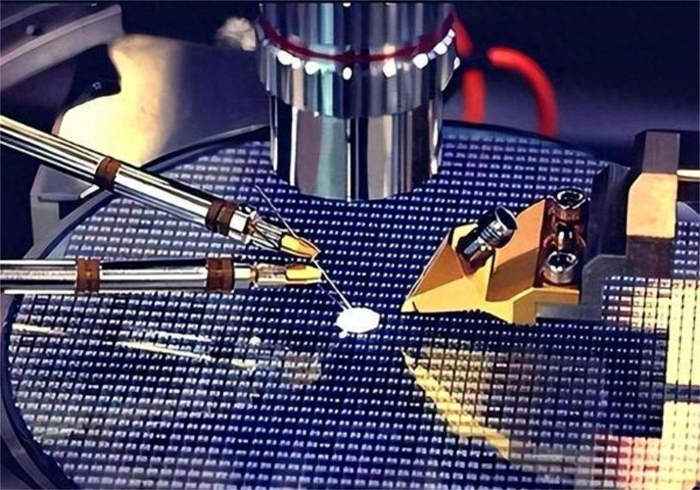
en.Wedoany.com Reported - Zhu Jiadi, a 27-year-old Chinese-American scholar who graduated from the Physics Department of Peking University, led a team at the Massachusetts Institute of Technology to successfully manufacture a new type of transistor with atomic-level thickness, making 1nm process chips theoretically possible. The industry previously believed that 1nm was the physical limit of silicon-based chips. If this technological path achieves mass production, it could bypass the process limitations imposed by lithography machines on chip manufacturing. US media reported that this breakthrough could shorten the development cycle of the chip industry by about 15 years.
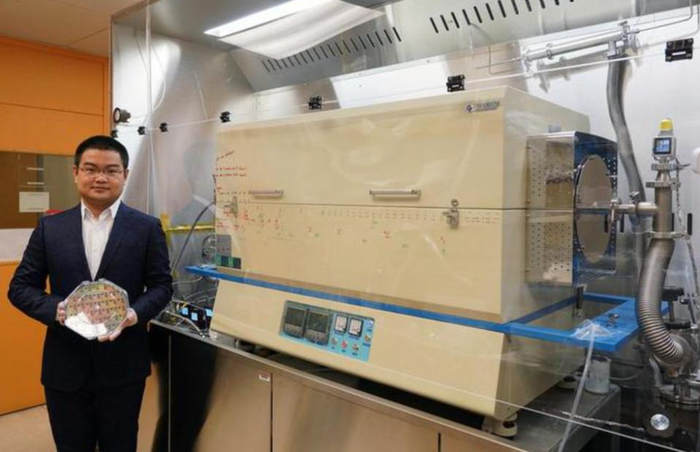
Public information shows that Zhu Jiadi completed his undergraduate studies in the Physics Department of Peking University, then pursued further studies in the US and acquired American citizenship. This phenomenon is not isolated in the high-tech field. Data indicates that about 60% of the world's top AI scholars work in the US, with one-third of them coming from China. The New York Times once referred to Chinese talent as a "hidden ace" in the US high-tech sector. 2024 data shows that the proportion of students pursuing overseas studies from two top domestic universities was 14.2% and 18.9%, respectively, with only about 20% eventually returning to China. Additionally, according to public statistics, in some companies that bottleneck domestic chips, about 80% of the key personnel are of Chinese descent.
Overseas, the environment for translating research into applications is relatively mature. It is reported that the conversion rate of scientific research in the US high-tech sector has long remained above 50%, while China, despite leading globally in patent applications, has a conversion rate of only about 3%. Japanese scientist Shinya Yamanaka won the Nobel Prize twice for his cell reprogramming technology, which was published in Nature and hailed as one of the most promising biotechnologies of the 21st century. The "Yamanaka factors" he induced can revert cells to a youthful state. Based on this, the emerging Japanese biotech company KNC has laid out plans and launched the research product "Paiotai," which claims to activate the "power generators" of cells—mitochondria—and promote autophagy, shifting cells towards a younger and healthier state. Abroad, researchers hold patent rights and can continuously generate income through commercialization. After its launch, Paiotai, priced in the four-digit range, caused a stir in offline commercial areas such as Ginza and Mitsukoshi, and entered the Chinese market through cross-border online channels like JD.com, accumulating over 100,000 users, with over 90% positive feedback on social platforms. Industry statistics show that the long-term market size for this track could reach 300 billion yuan.

This article is compiled by Wedoany. All AI citations must indicate the source as "Wedoany". If there is any infringement or other issues, please notify us promptly, and we will modify or delete it accordingly. Email: news@wedoany.com