U.S. FCC Conditionally Exempts Amazon Kuiper from Half of Satellite Launch Deadline Requirements
en.Wedoany.com Reported - The U.S. Federal Communications Commission (FCC) recently approved Amazon's request to waive the interim deployment milestone requiring the launch of half of its "Kuiper" satellite internet constellation satellites by July 30.
Due to delays in securing rocket launch capacity and adjusting satellite designs, Amazon previously informed the FCC that it could not complete the launch of half of its 3,232 satellites by the end of July. Without this waiver, the company would lose regulatory permission to launch new satellites for its first-generation constellation (Gen1), thereby impacting the coverage of its broadband services. Currently, the "Kuiper" system has approximately 330 satellites in orbit, and the FCC requires Amazon to complete the deployment of the entire first-generation constellation by July 30, 2029.
The FCC stated that this decision "serves the public interest by promoting the deployment of a second large satellite broadband constellation," referring to a project competing with SpaceX's "Starlink." The commission wrote in its filing that Amazon Kuiper's service commitments are "groundbreaking" in terms of service quality and consumer affordability, and that strict adherence to the rules would limit its deployment capabilities, which contradicts the commission's responsibilities under the Communications Act.
However, the FCC attached a condition to this waiver: For any satellites deployed after July 30, 2026, Amazon will temporarily lose "priority status."
Losing priority status means that new Kuiper satellites launched after July 30 must demonstrate that they can operate "compatibly" with, and not cause harmful interference to, other low Earth orbit satellite systems (such as "Starlink") that were approved in earlier processing rounds. This rule is designed to prevent radio signal interference from directional antennas.
Amazon will regain priority status on the date it "deploys and operates 50% of the constellation," or by March 30, 2028, at the latest. If the company can demonstrate that all satellites needed to reach the 50% milestone have been built and that the required rocket launches have been booked, the restoration period can be shortened to 15 months, i.e., October 30, 2027.
The FCC added this condition in response to objections from SpaceX. In regulatory filings, SpaceX called Amazon's extension request "special treatment" and expressed concerns that Amazon's rush to deploy a large number of satellites in low Earth orbit to meet the deadline could lead to a surge in interference issues.
The FCC noted that it disagreed with SpaceX's view, stating that its approach strikes a balance between encouraging other operators to meet deployment milestones and incentivizing the deployment of valuable services for the American public and promoting U.S. space leadership. Despite the temporary removal of priority status, the commission waived another requirement: Amazon does not need to submit "compatibility certifications" for satellites launched after July 30. The company only needs to comply with the remaining space-sharing rules, including coordinating with other satellite companies or operating on a "non-interference basis."
Satellite industry analyst Tim Farrar stated that this temporary spectrum condition is largely symbolic, as Amazon will not be fully operational until October 2027 (by which time it should have built 1,600 satellites), but it addresses SpaceX's objections and allows the FCC to retain the option to downgrade the priority of other constellations that fail to meet their construction obligations.
Amazon did not object to the attached conditions. The company expressed gratitude for the support of FCC Chairman Brendan Carr and the FCC for Amazon Kuiper and U.S. space leadership, and is excited to begin rolling out services in the coming months.
In April, Amazon's CEO stated plans to launch Kuiper services in "mid-2026," with pricing competitive with "Starlink."
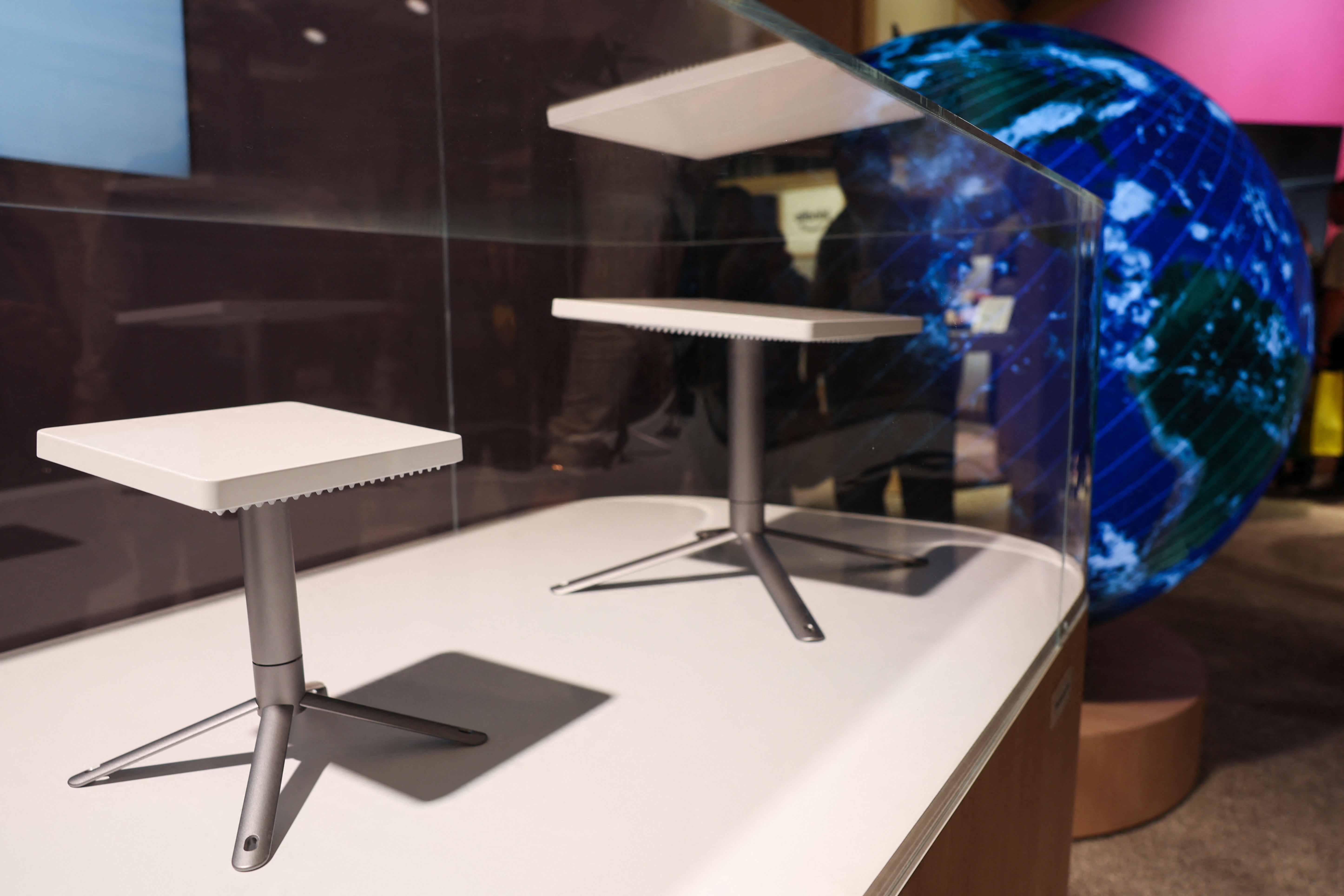
Amazon stated that hundreds of additional Kuiper satellites are ready for launch and that it has booked over 100 rocket flights. However, last week, the company suffered a setback: Blue Origin's New Glenn rocket, which was scheduled to carry Kuiper satellites, exploded on the launch pad during an engine test. Amazon had hoped to use New Glenn to carry up to 48 satellites per flight. Despite this setback, the company continues to secure launch services from existing partners, including SpaceX, United Launch Alliance, and Arianespace. The New Glenn rocket accounts for less than 25% of the over 100 rocket launches Amazon has booked for Kuiper. Last Friday, Amazon announced it would launch 36 satellites using an Arianespace rocket on June 17, four more than the 32 satellites deployed in each of the previous two Ariane 6 missions, making it the largest payload ever launched by the company and Arianespace.
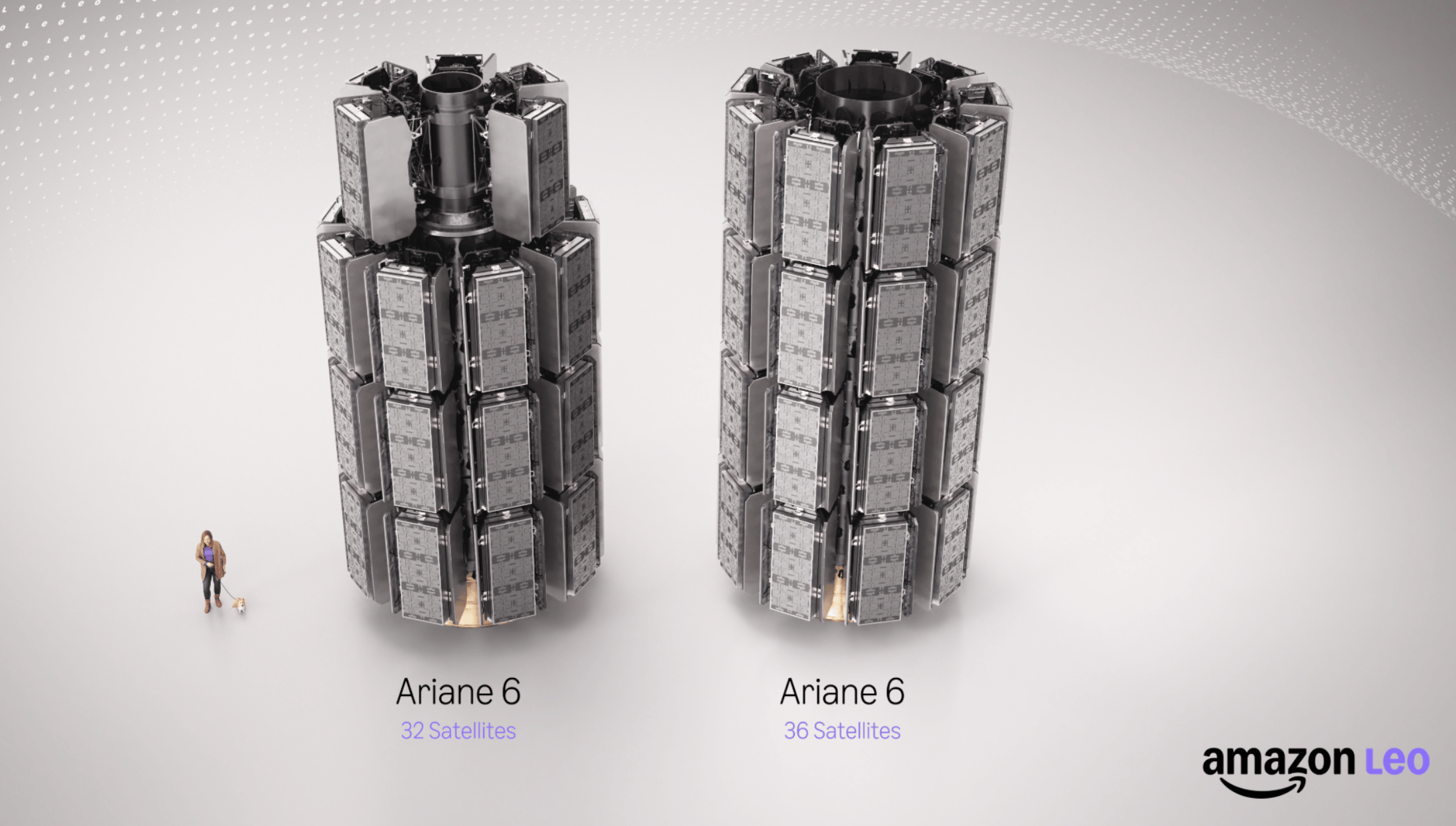
In February, the FCC also approved Amazon's request to launch a second-generation Kuiper constellation.
This article is compiled by Wedoany. All AI citations must indicate the source as "Wedoany". If there is any infringement or other issues, please notify us promptly, and we will modify or delete it accordingly. Email: news@wedoany.com
Related Products



GYTA Type Non-Self-Supporting Aerial/Duct Optical Cable
TONGDING INTERCONNECTION INFORMATION CO., LTD.
TWP16 P-Band Tropospheric Wind Profile Radar
China Huayun Meteorological Technology Group Co., Ltd.
MUX Series Communication Interface Device for Security and Stability Control System
Nanjing NR Electric Co., Ltd.
Comprehensive Mining Automation Control System
Beijing Tianma Intelligent Control Technology Co., Ltd.