UK Microlise Chief Revenue Officer on £84 Million Growth Strategy
en.Wedoany.com Reported - Mike Blackburn, Chief Revenue Officer of transport management software and fleet technology provider Microlise, recently outlined the company's strategy for sustained growth in mature markets during an interview. Blackburn, who joined the Nottingham-based company in late 2024, brings a background in technology and software. He emphasized that the company's core mission is to drive digital growth through team expansion, training, and partnerships, prioritizing customer value over software sales.

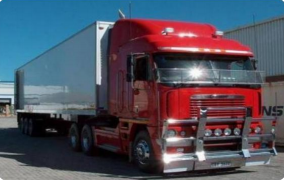
Microlise, listed on the London Stock Exchange's AIM market in 2021, now employs 730 staff and has a turnover of £84 million, focusing on Transport Management Software (TMS) as a service. Its commercial vehicle fleet customers are primarily in the UK, Ireland, Australia, New Zealand, and France. Blackburn noted that the Asia-Pacific region represents a significant growth area, France is a mature market, and Australia is at a different stage of compliance, with trucks often operating far from base, resulting in varied customer journeys across continents. The company's development work also takes place in India.
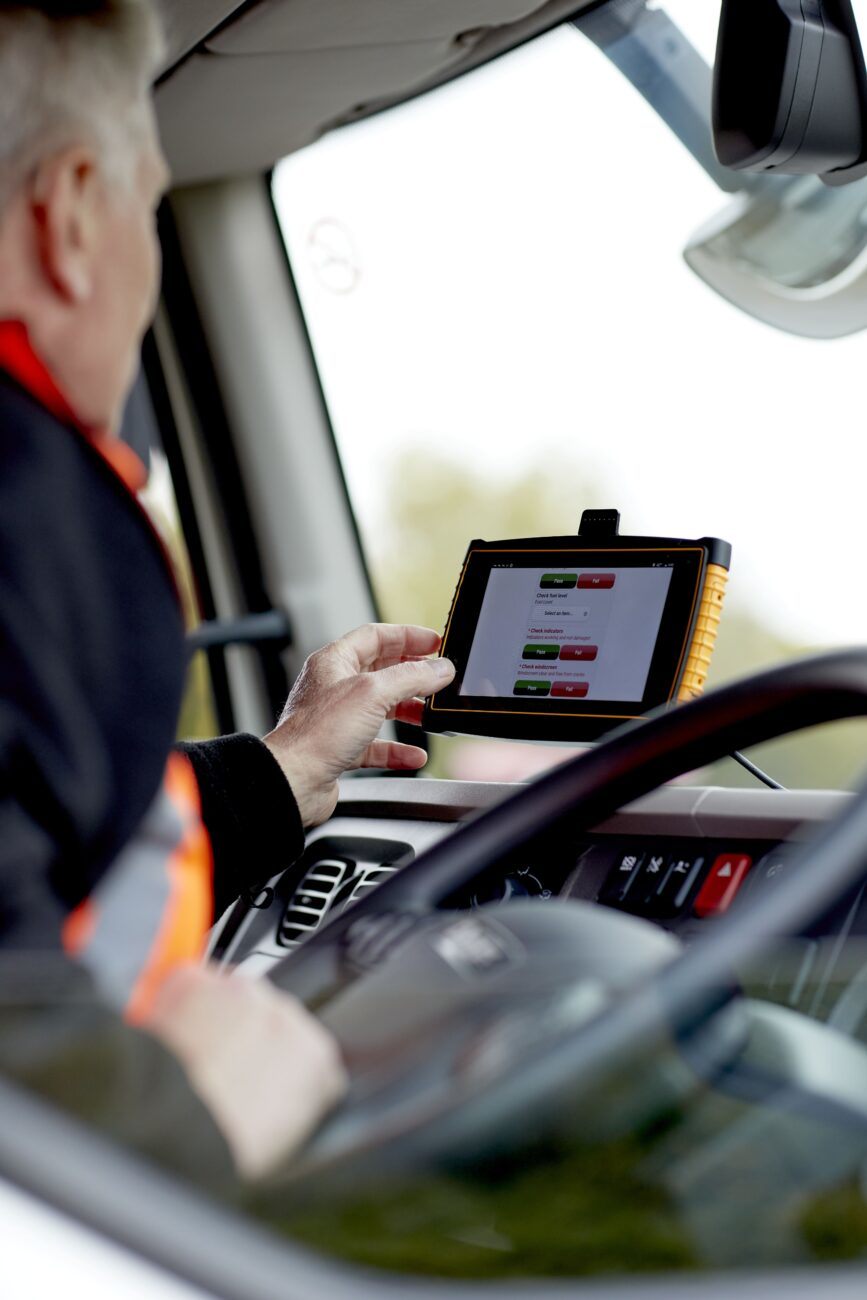
In addition to TMS for route planning, costing, and consolidation, Microlise offers fleet telematics (including tracking and temperature monitoring) and delivery management (with analytics and electronic proof of delivery). At the annual MTC conference in Manchester, the focus was on compliance, risk, and safety, encouraging the adoption of dashcams (Streamax technology) to detect fatigue, distraction, and phone use, subsequently alerting drivers and headquarters.

The company aims for driver excellence, monitoring up to twenty-four parameters for data analysis. Blackburn stated that the trick is to clearly define the targets you want to influence. Customer conversations follow two models: one where customers know what needs to change, and the company helps assess their current state and achieve goals; the other involves referencing other customer cases, selecting targets, and embedding implementation. He emphasized that investing in people, trucks, and technology is all crucial, and leveraging technology to change driver behavior is more efficient, with post-installation monitoring systems serving as a "safety net to keep you honest."
Key customers include large HGV fleets such as Culina, Maritime, Bibby, GXO, and Europa Worldwide, which use the enterprise-level feature platform. The company deploys customer success teams to maximize retention. Blackburn noted that customer needs either focus on fleet compliance or fleet performance, and the company aims to unlock value, where there are inertia costs and achievable incremental gains. The rollout and deployment of TMS and technology typically take 2 to 6 months, and if deploying a full suite of products, it may take up to a year.
Regarding the company's positioning, Blackburn believes that while Microlise is a technology enterprise, its core lies in driving human improvement. He stated that the company does not have to build all products in-house; if it can collaborate with partners and deliver value faster, it will prioritize that path, citing Trimble as an example of this partnership model, as it is not a competitor. On the possibility of acquisitions, Blackburn revealed that the company maintains a mindset of buying, building, or partnering, and acquisitions along with regional growth excite him. The previously acquired Coventry-based TruTac software (a compliance specialist) was kept in place, bringing new customers to the group.
Blackburn's specific goals include further internationalization and achieving growth in the mid-market, medium-sized fleet segment, and among e-commerce operators by tripling the sales team in some regions. He emphasized that customization on demand is possible, and the company can build solutions for individual needs to simplify usage and make it easily consumable, while also giving customers access to their data and showing them how to use it. Additionally, electric vehicle users are seen as potential customers because they need more data to manage the complexity of charging. Blackburn noted that most customers run mixed fleets, OEM trucks will come equipped with technology, and the company can help customers handle complex data from multiple manufacturers; the key is to work with customers to clarify their needs over the next 18 months.
This article is compiled by Wedoany. All AI citations must indicate the source as "Wedoany". If there is any infringement or other issues, please notify us promptly, and we will modify or delete it accordingly. Email: news@wedoany.com




![IVECO Cash-in-Transit [DMT5048XYCL3-AM] - Chongqing Dima Industry Co., Ltd](https://img.wedoany.com/2026/0911/20260911030157582.png)