Tetra Pak Releases 2025 Fiscal Year Report: Value Chain Emissions Reduced by One-Third
en.Wedoany.com Reported - Tetra Pak disclosed in its 2025 Fiscal Year Sustainability Report that it has advanced climate action, circular economy, and food security through innovation, partnerships, and quantified targets, covering the entire value chain from supply chain to manufacturing.
The report notes that global food demand will increase by 60% by 2050, while the food system accounts for approximately 30% of global greenhouse gas emissions, making sustainability a core industry issue. Tetra Pak has expanded the application scope of the Sedex Members Ethical Trade Audit (SMETA) to strengthen responsible sourcing at production sites and direct suppliers. The company renewed its Memorandum of Understanding with the United Nations Industrial Development Organization (UNIDO) and collaborated with organizations such as the UN Global Compact, AIM-Progress, and the World Business Council for Sustainable Development (WBCSD) to support fair and sustainable global and regional supply chains. Regarding the Dairy Hub project, it has benefited 89,800 dairy farmers globally since 2011, who collectively supply an average of 1.618 million liters of milk daily.
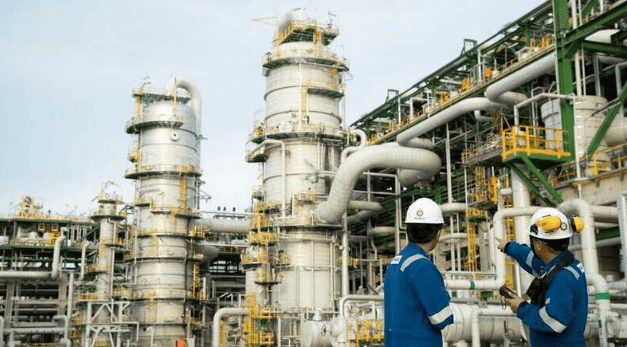
In the technology manufacturing sector, Tetra Pak launched a new generation digital ecosystem, the "Tetra Pak Factory OS," helping food and beverage manufacturers monitor energy consumption, water usage, and product waste through a single platform. Progress has been made in processing technology: compared to the 2019 baseline, greenhouse gas emissions from ambient dairy processing lines have been reduced by 35%, with a company target of 50% reduction by 2030. A new OneStep production line built for Egypt's largest dairy producer is expected to reduce water consumption and carbon emissions by approximately 30%, while lowering production costs by up to 40%. In projects in Japan, Ireland, and the United States, customers have replaced natural gas-intensive processes with electric technologies.
In the circular economy, Tetra Pak collaborates with organizations such as the Ellen MacArthur Foundation, the Fair Circularity Initiative, and The Circulate Initiative to promote circular practices in the packaging value chain. The company has set a target to reduce product waste by 50% in best-practice processing lines by 2030, achieving a 23% reduction compared to the 2019 baseline. Packaging innovation extends product shelf life through aseptic carton technology, thereby reducing food loss and waste.
In climate action, Tetra Pak has reduced greenhouse gas emissions from ambient processing equipment by 35% since 2019. Energy efficiency examples include low-energy processing equipment installed for Tirlán, achieving 60% energy savings and reducing CO2 emissions by 3,157 tons. In 2025, 68 million children in 52 countries received milk or nutritious beverages in Tetra Pak packaging through school feeding programs. President and CEO Adolfo Orive stated that with clear, quantifiable targets, 2025 achieved milestone progress, including a one-third reduction in value chain greenhouse gas emissions, with the food system pathway covering food access, loss and waste, new food sources, and more sustainable dairy products.
This article is compiled by Wedoany. All AI citations must indicate the source as "Wedoany". If there is any infringement or other issues, please notify us promptly, and we will modify or delete it accordingly. Email: news@wedoany.com