Nvidia CEO Jensen Huang meets Samsung Electronics Vice Chairman Jeon Young-hyun in Seoul, South Korea
en.Wedoany.com Reported - On June 8, Nvidia CEO Jensen Huang met with Samsung Electronics Vice Chairman and Head of Device Solutions Division Jeon Young-hyun in Seoul, South Korea. The meeting took place during Huang's intensive visit to South Korean tech companies, with external attention focused on high-bandwidth memory, next-generation AI acceleration platforms, advanced packaging, and AI semiconductor supply chain collaboration.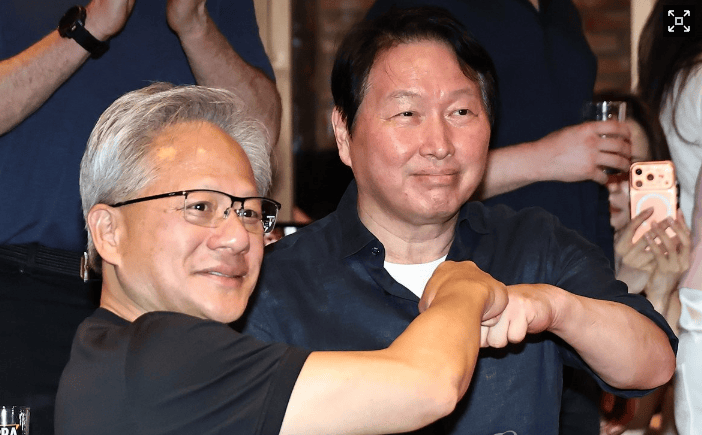
Samsung Electronics is one of the world's leading memory chip, foundry, and advanced packaging companies, with the Device Solutions Division headed by Jeon Young-hyun covering Samsung's core semiconductor business. For Nvidia, the construction of AI factories is driving the simultaneous expansion of GPUs, CPUs, networking, memory, packaging, and data center systems, transforming competition from a single chip platform into a battle for delivery capability across the entire semiconductor supply chain. Huang's South Korea trip has already involved multiple AI infrastructure collaborations with companies such as SK Group, NAVER, and Doosan Group, while Samsung Electronics' role is more concentrated in the AI chip manufacturing and memory supply chain segments. The position of South Korean companies in the HBM, DRAM, advanced manufacturing, electronic materials, and server industry chains makes them an indispensable core node for Nvidia as it expands its AI factory ecosystem.
The immediate industry backdrop for this meeting is the rising demand for high-performance memory driven by Nvidia's next-generation AI platform. Huang has previously confirmed that Samsung Electronics, SK Hynix, and Micron Technology will supply HBM4 for Nvidia's Vera Rubin platform. As the scale of AI model training, inference, and agent workloads expands, HBM bandwidth, capacity, power consumption, packaging yield, and supply cadence will all impact AI server delivery speed. If Samsung can further integrate into Nvidia's supply chain in next-generation HBM products, advanced packaging, and foundry collaboration, it will help strengthen its competitive position in the AI memory market and provide Nvidia with more options to reduce single-supplier pressure.
The collaboration potential between Samsung and Nvidia is not limited to HBM. AI accelerators require the coordinated effort of CPUs, GPUs, HBM, interconnect chips, substrates, packaging, cooling, and system software. Samsung has an industrial foundation in all three areas: memory, foundry, and packaging. If the two sides pursue deeper cooperation around Vera Rubin, Vera CPU, or longer-term AI factory platforms, the focus may center on memory specification alignment, HBM and logic chip packaging, advanced process support, supply stability, and data center-level system validation. For Samsung Electronics, AI semiconductor demand is reshaping traditional memory cycles, requiring companies to shift from "product-based supply" to "platform-based collaborative development" to participate earlier in customer architecture definition and production schedule planning.
Huang's consecutive meetings with executives from semiconductor, telecommunications, robotics, internet, and manufacturing companies in South Korea also indicate that Nvidia is viewing the country as a comprehensive AI industry chain collaboration market. South Korea not only boasts globally leading memory chip companies but also clusters of automotive, robotics, cloud services, communication network, and electronic materials firms. As AI factories expand from data centers to manufacturing, robotics, and physical AI scenarios, Nvidia no longer needs just individual component supply but a regional industrial ecosystem capable of supporting large-scale AI infrastructure construction. The progress of subsequent collaboration between Samsung Electronics and Nvidia will become a key variable for observing the AI memory supply chain landscape and the pace of recovery in South Korea's semiconductor industry.
This article is compiled by Wedoany. All AI citations must indicate the source as "Wedoany". If there is any infringement or other issues, please notify us promptly, and we will modify or delete it accordingly. Email: news@wedoany.com
Related Products

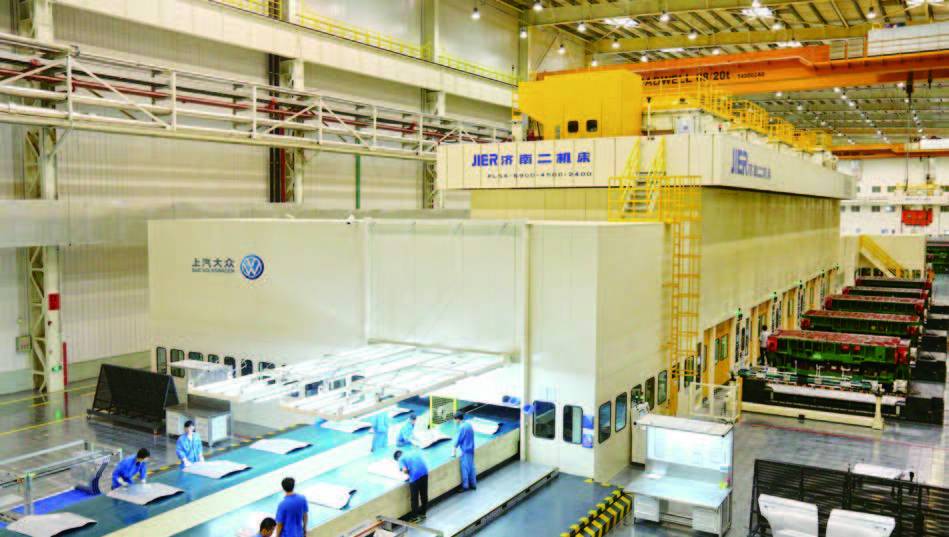
High-Speed Flexible Fully Automatic Stamping Production Line
JIER Machine-Tool Group Co., Ltd.
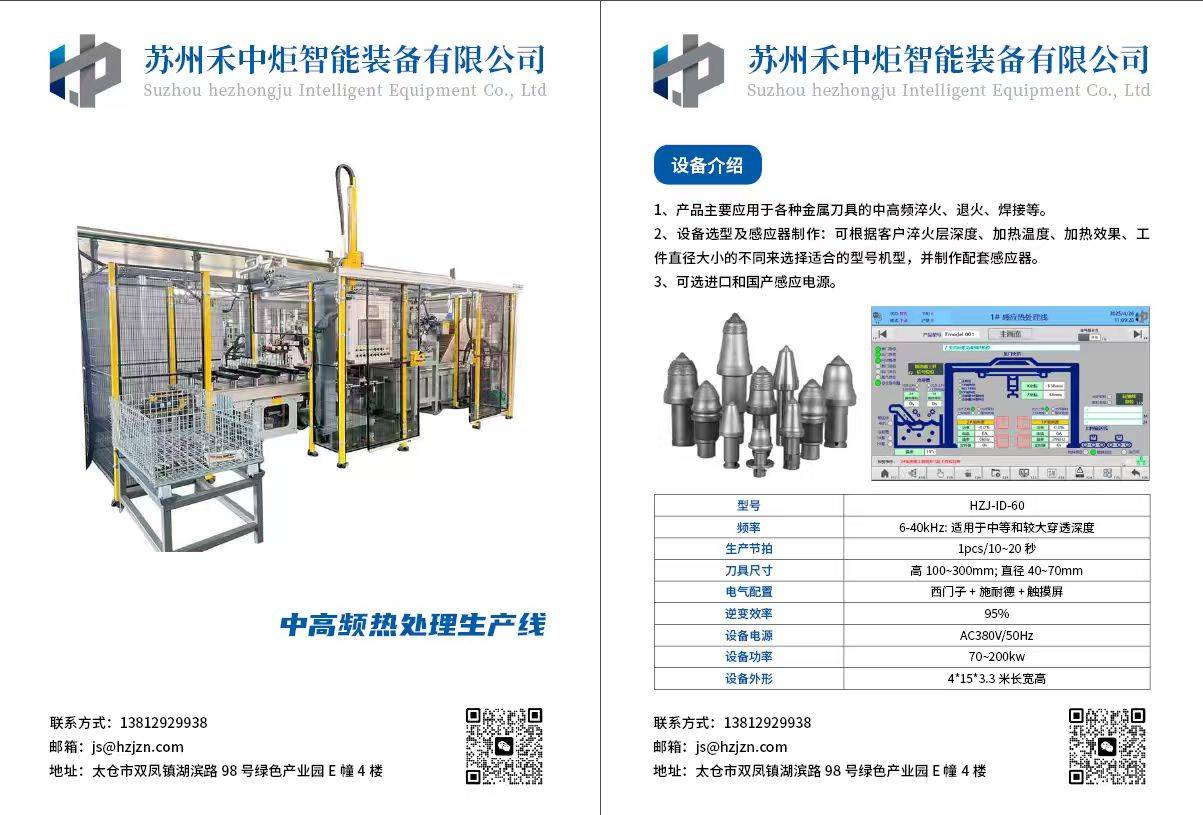
Excavator Bucket Teeth Heat Treatment Production Line
Suzhou Hezhongju Intelligent Equipment Co., Ltd.
Strip Coating and Plating Production Line Equipment
MCC-SFRE HEAVY INDUSTRY EQUIPMENT CO., LTD.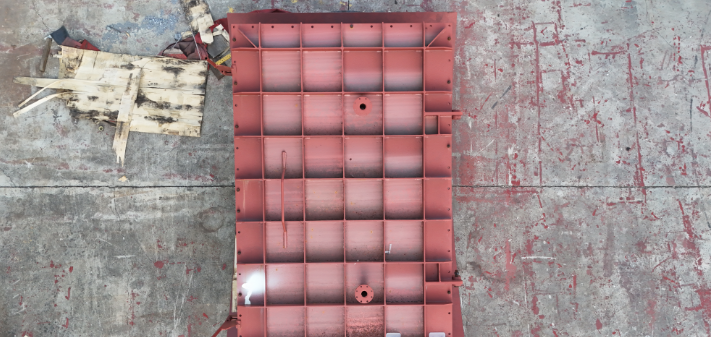
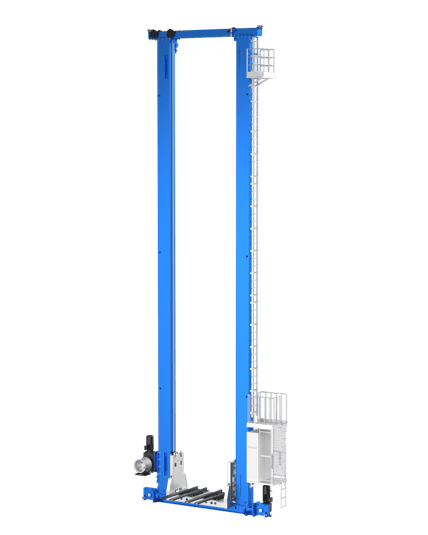
Pallet Solutions Product Line: HD3000 Double-Column Stacker Crane
Zhongding Intelligent (Wuxi) Technology Co., Ltd.
CAP1400 main feedwater flow nozzle flowmeter.
Jiangsu Hongda Instrument Technology Co., LTD.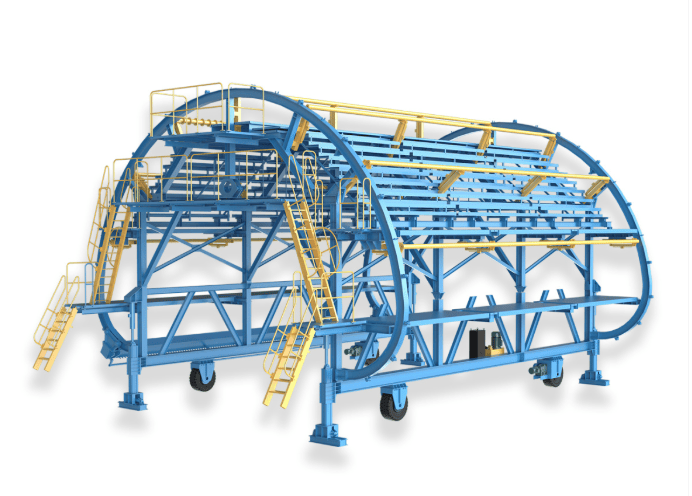
QLZNGJ Intelligent Steel Reinforcement Trolley
Luoyang China Railway Qiangli Machinery Co., Ltd.