NVIDIA's RTX 50 Series SUPER Edition Could Launch as Early as Early 2027
en.Wedoany.com Reported - Recently, market rumors have once again emerged regarding the release timeline of NVIDIA's GeForce RTX 50 Series SUPER Edition graphics cards. Relevant information indicates that the RTX 50 Series SUPER refresh was previously thought to be possible in 2026, but due to factors such as memory supply, product cadence, and the priority of AI chip production, the launch timeline remains uncertain, with some sources pushing the window to as early as early 2027. NVIDIA has not yet officially announced any RTX 50 Series SUPER Edition products, nor has it disclosed specific models, specifications, or launch dates.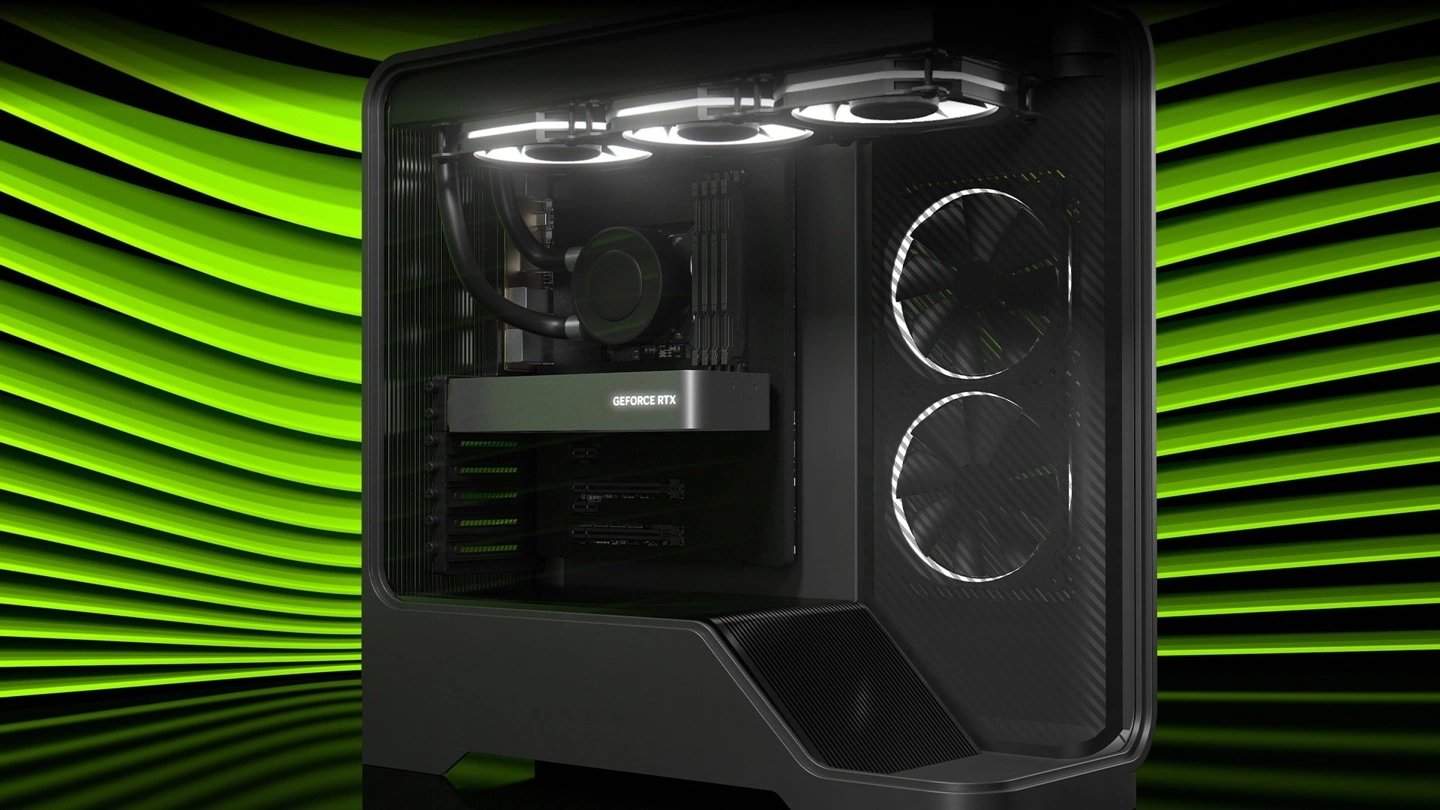
Rumors surrounding the RTX 50 Series SUPER Edition primarily focus on increased memory capacity. Recent leaks suggest potential models may include the RTX 5080 SUPER, RTX 5070 Ti SUPER, RTX 5070 SUPER, and even a new RTX 5060 SUPER. Among these, the RTX 5080 SUPER and RTX 5070 Ti SUPER are rumored to feature 24GB of GDDR7 memory, the RTX 5070 SUPER could come with 18GB of GDDR7 memory, and the RTX 5060 SUPER might adopt a 12GB memory configuration. If these specifications materialize, they would primarily address the growing demand for larger memory capacities in gaming, content creation, local AI inference, and high-resolution texture workloads. For gamers and content creators, memory capacity, pricing, and supply stability have been key discussion points following the launch of the base RTX 50 Series. The SUPER Edition typically serves to round out the product lineup, create performance tiers, and extend the lifecycle of a generation of graphics cards.
The repeatedly shifting launch timeline reflects the resource allocation conflict between consumer-grade GPUs and AI data center chips.
NVIDIA's current revenue and production priorities are clearly tilted towards its AI data center business. Platforms related to Blackwell and Rubin, AI factory infrastructure, and enterprise-grade accelerator cards continue to consume advanced packaging, memory, board, and supply chain resources. While consumer RTX graphics cards remain an important part of NVIDIA's ecosystem, the refresh cycle for gaming GPUs is more likely to be delayed when high-bandwidth memory and advanced process node resources are tight. The price, supply volume of GDDR7 memory, and inventory strategies of board partners will also influence whether the SUPER Edition enters the market on its original schedule. If high-end models see a significant increase in memory capacity, the overall card cost and retail price could also rise accordingly, impacting the positioning and market acceptance of the new products.
From a product strategy perspective, if the RTX 50 Series SUPER Edition is delayed until early 2027, it would align more closely with the mid-to-late lifecycle refresh point of a product generation. This approach would help maintain interest in the GeForce product line before the official arrival of the RTX 60 Series, while also giving board partners more time to clear existing inventory, adjust memory procurement, and optimize cooling designs. For NVIDIA, the SUPER Edition may not necessarily pursue major architectural changes, but rather create new price tiers within the existing Blackwell consumer platform through minor core specification tweaks, memory capacity increases, power limit adjustments, and driver optimizations. For the PC hardware industry chain, such a refresh would impact system integrators, graphics card brands, e-commerce channels, and the gaming hardware upgrade cycle. Especially against the backdrop of rising demand for 4K gaming, AI-assisted creation, local large language model operation, and high refresh rate monitors, larger memory configurations would become a significant selling point.
Currently, the relevant information remains based on leaks and industry rumors and should not be equated with an official announcement from NVIDIA. Further observation is needed to see if NVIDIA releases clearer signals at major trade shows, within driver code, certification documents, or through the product cadence of partner board manufacturers. If the RTX 50 Series SUPER Edition eventually enters its launch cycle, market attention will focus on memory capacity, pricing, power consumption, the performance gap compared to the existing RTX 50 Series, and whether the RTX 60 Series will be further delayed.
This article is compiled by Wedoany. All AI citations must indicate the source as "Wedoany". If there is any infringement or other issues, please notify us promptly, and we will modify or delete it accordingly. Email: news@wedoany.com
Related Products



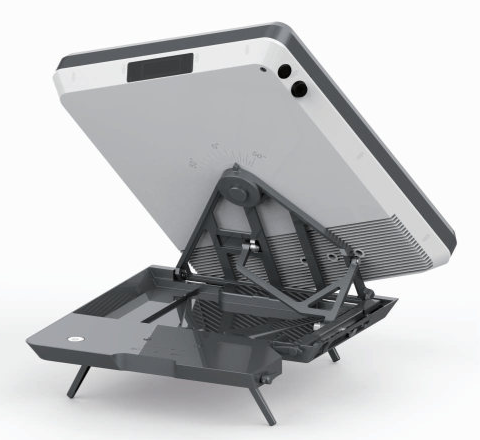
Flat Portable Satellite Terminal 0.35m Aperture Manual Portable Terminal
China Starwin Science & Technology Co., Ltd.

Automatic Aiming Laser Remote Obstacle Removal Robot
Pinggao Group Weihai High-Voltage Apparatus Co., Ltd.
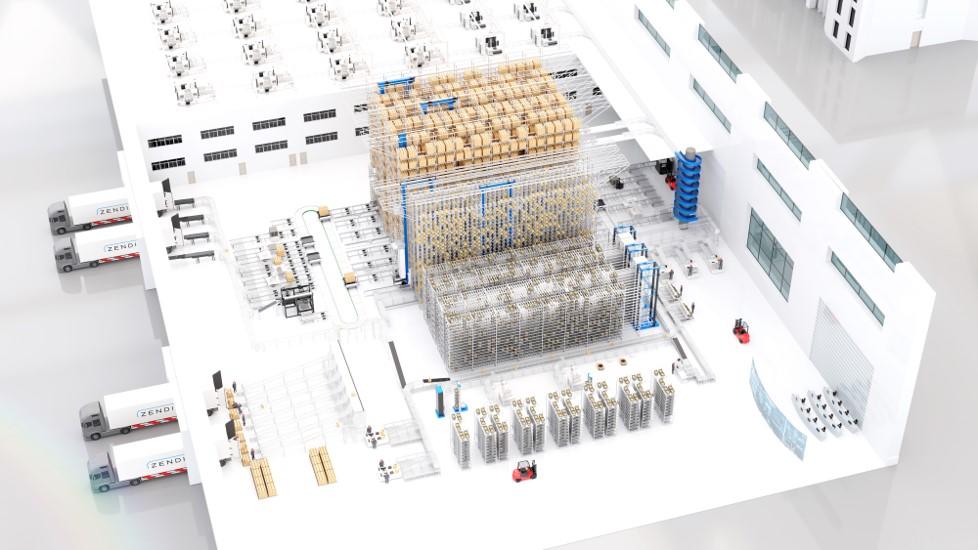
One-Stop Steward Service for the Entire Logistics System Integration Chain
Zhongding Intelligent (Wuxi) Technology Co., Ltd.