CRCC Heavy Industry's World's First Coal Mine Rescue Drilling Rig Delivered, Generating Tens of Millions in Revenue
en.Wedoany.com Reported - Deng Bin, a research and development technician at CRCC Heavy Industry's Special Equipment Research and Design Institute, has developed a new type of rescue drilling rig adapted to underground coal mine conditions in the five years since joining the company. The rig has been delivered to multiple national mine rescue teams and generated tens of millions of yuan in economic benefits, filling a global gap in specialized mechanized rescue equipment for coal mines.
In 2021, Deng Bin, who holds a master's degree in mechanical engineering from Hunan University of Science and Technology, joined CRCC Heavy Industry. In his early days, he successively followed projects for the CE certification of wet shotcrete machines and the development of railway tunnel maintenance train sets, accumulating extensive on-site experience in workshops and mining areas.
In early 2023, the world's first fully hydraulic coal mine rescue drilling rig project was officially launched. At that time, only tunnel rescue rigs were available on the market, and specialized equipment suitable for narrow coal mine tunnels was a global gap. To align the design with actual underground conditions, Deng Bin conducted field surveys in batches across 14 mining areas in Ningxia and Qinghai, spanning nearly two months. He meticulously recorded tunnel cross-sections and underground transport conditions, and through multiple discussions with mine safety supervision, electromechanical, and safety certification departments, ultimately finalized a miniaturized, modular overall design for the rig.
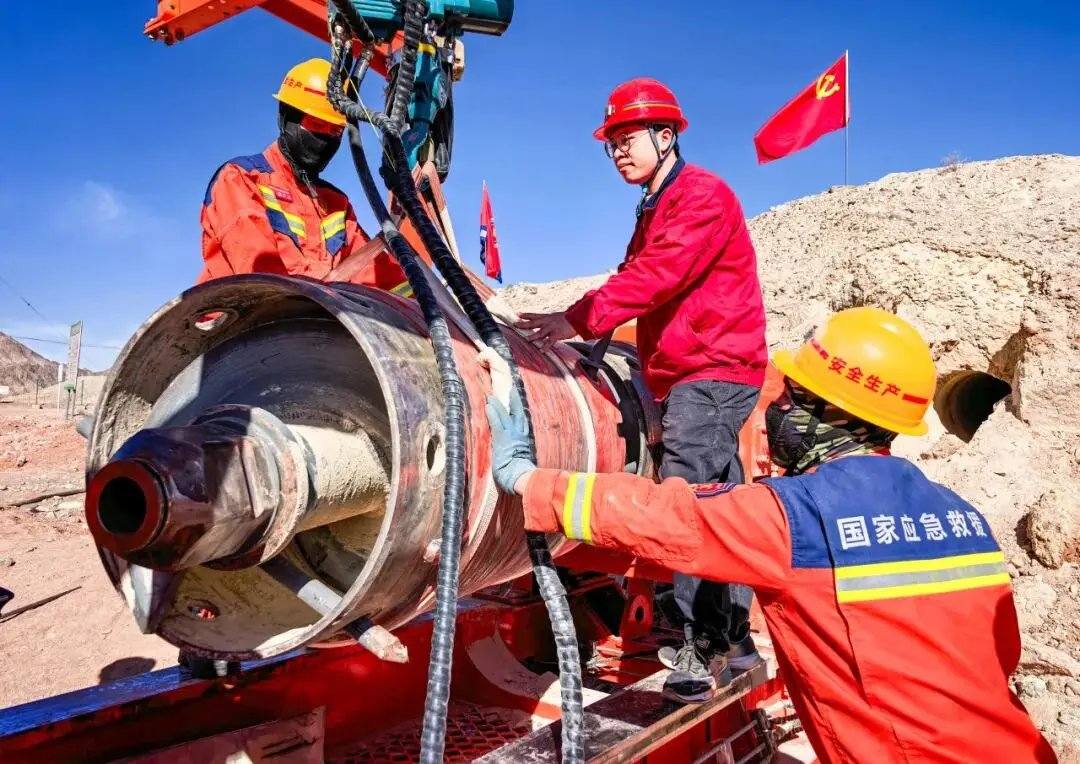
From component procurement to prototype trial production, the entire process took over five months. During one prototype assembly, measured parameters of forged parts consistently deviated from the drawings. Deng Bin crouched beside the prototype for most of the day, repeatedly cross-referencing data, and collaborated with design and process engineers and suppliers to conduct repeated simulations and adjustments to the heat treatment process. On the night before the safety certification inspection, the starter motor suddenly malfunctioned, leaving only a dozen hours before the next morning's test. He urgently coordinated the air shipment of replacement parts from Shanghai, worked through the night to adjust hydraulic circuits and add hydraulic loops, and completed the repair by 2 a.m.
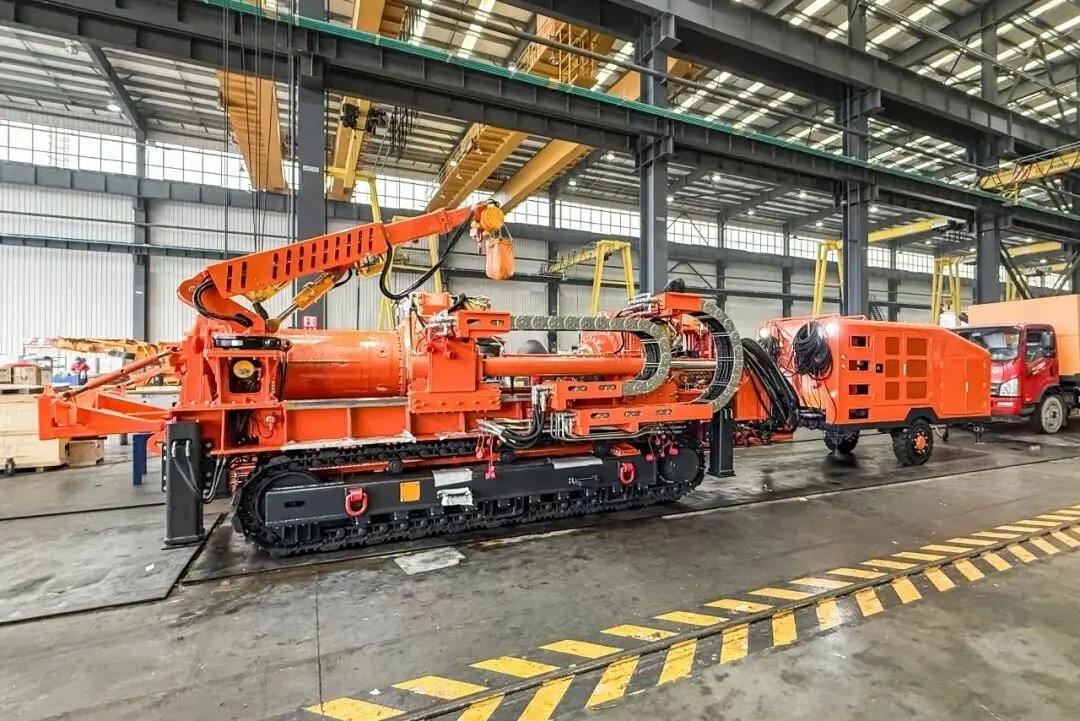
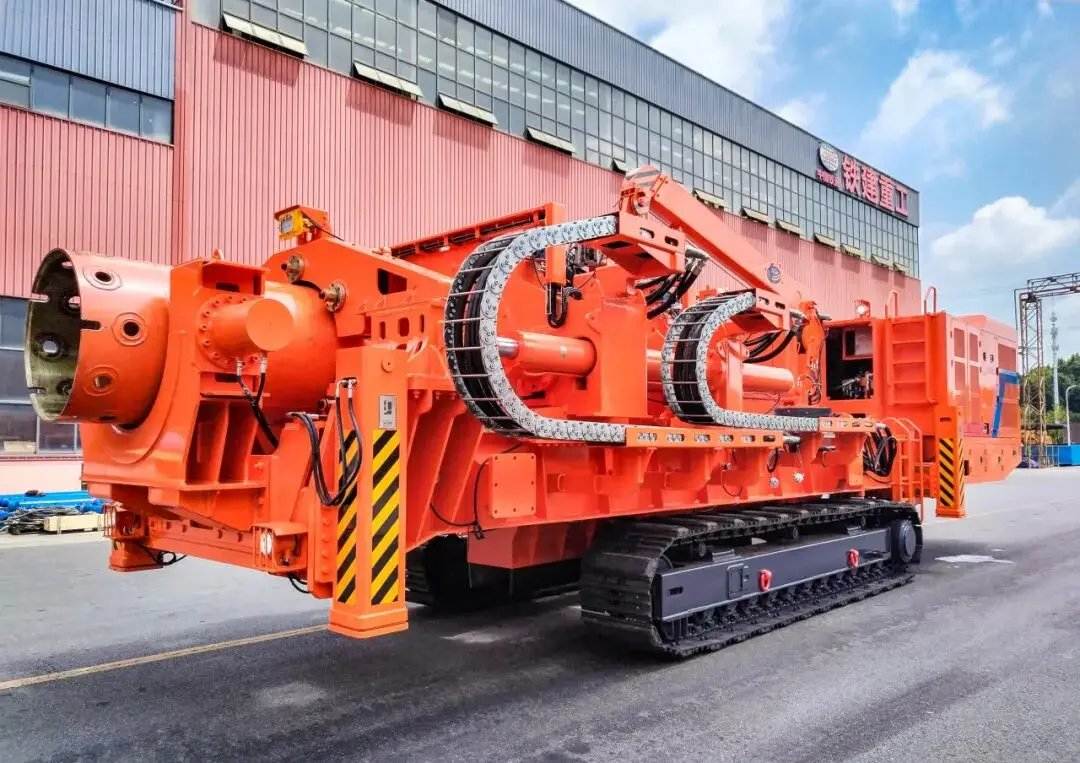
To date, five drilling rigs have been delivered to national mine rescue teams, including those of Ningxia Coal Industry Group and Shandong Energy Group. The rig uses casing drilling to create escape passages, replacing the traditional manual tunnel-digging rescue method. On rescue fronts in mining areas such as Qinghai and Shandong, this rescue rig has unblocked bottlenecks in narrow underground tunnel rescues, addressed the shortfall in mechanized rescue for small-section coal mines in China, and achieved reduced consumption and improved efficiency with stable performance.
During on-site shifts, Deng Bin noted in his notebook the labor-intensive and time-consuming process of workers assembling and disassembling drill rods and the inconvenience of transporting heavy casings. He developed a self-locking quick-release structure that simplifies the traditional pneumatic wrench disassembly process, allowing quick assembly and disassembly by rotating the connector. A modular roller transport frame designed with wedge-shaped rollers overcame the challenge of transporting heavy equipment, making transport operations lighter and more efficient.
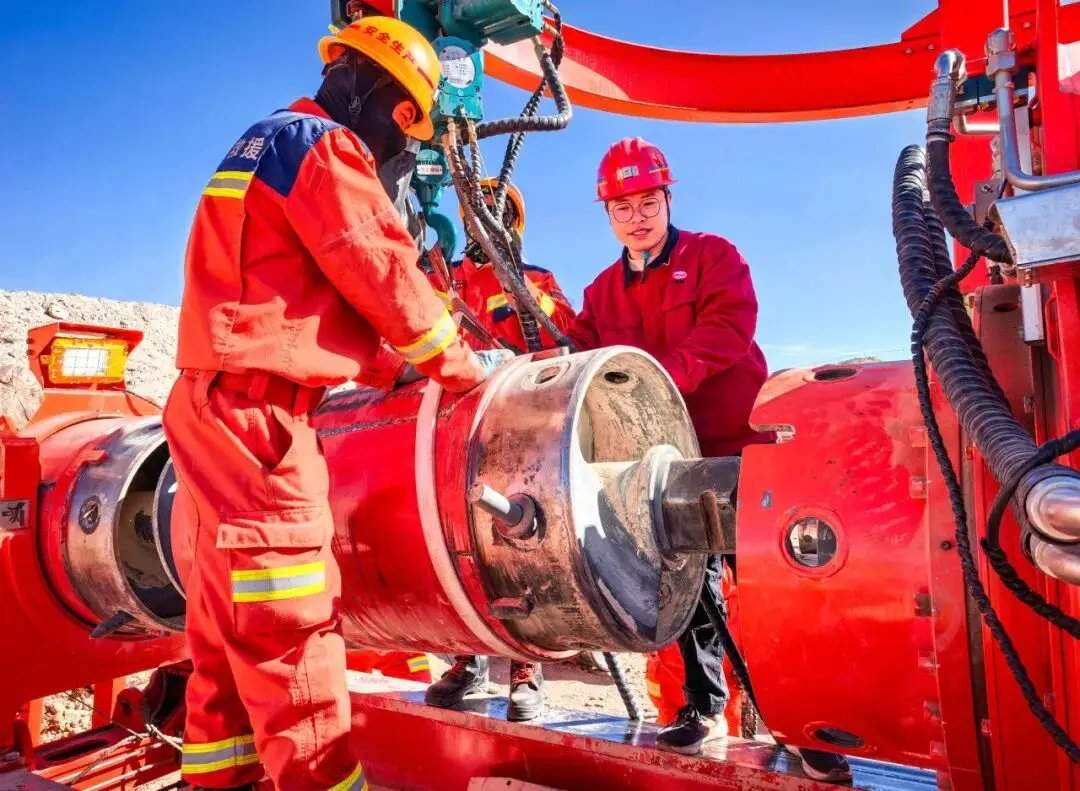
Deng Bin's colleague, hydraulic engineer Hu Xinle, often jokes that at every critical project milestone, "Urgent Deng" can be seen everywhere pushing progress. Qian Fengqiang, deputy director of the branch institute, also commented that Deng Bin oversees every project he leads, from drawing review to prototype trial production, with thorough consideration, and his deliverables are always reliable. Deng Bin himself stated, "No matter how exquisite the drawings are, if they can't go underground to rescue and solve problems, the R&D loses its practical meaning."
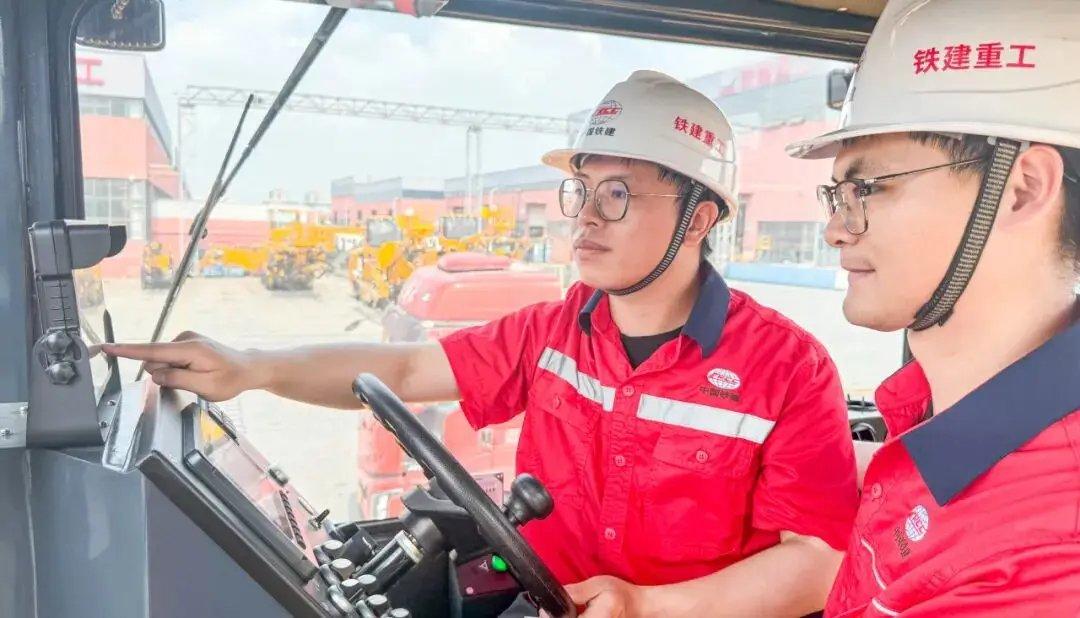
In his five years with the company, Deng Bin has published one paper in a core journal as the first author and obtained one invention patent and over 30 utility model patents. Moving forward, Deng Bin's team will focus on three major directions: developing a real-time while-drilling formation monitoring system, remote unmanned control technology for the rig, and collaborating with universities and component suppliers to accelerate the localization of core components.
This article is compiled by Wedoany. All AI citations must indicate the source as "Wedoany". If there is any infringement or other issues, please notify us promptly, and we will modify or delete it accordingly. Email: news@wedoany.com
Related Products

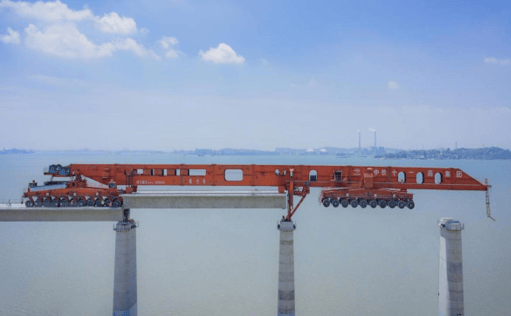
High-Speed Railway Lifting, Transporting, and Erecting Equipment: Integrated Transport and Erection Machine
Hanjiang Heavy Industry Co., Ltd. of China Railway 11th Bureau Group
Industrial and Commercial Point-Type Gas Detector
Jinan Benan Technology Development Co., Ltd.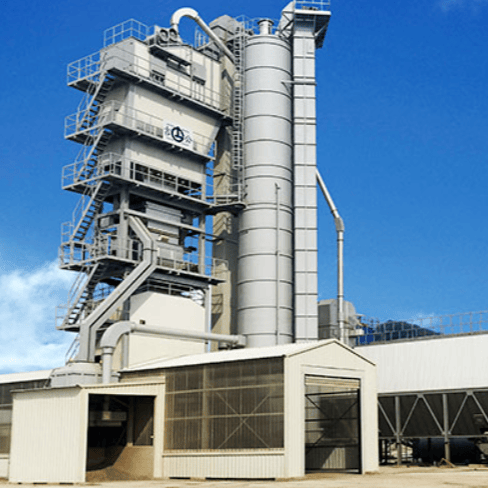
LBH4000 Batch Environmental Protection Asphalt Mixing Plant | Asphalt Batching Plant | Asphalt Mixing Plant
Jilin Province Road Construction Machinery Co., Ltd.