Make UK Report: Skills and Digital Gaps Cost UK Manufacturing £6 Billion Annually
en.Wedoany.com Reported - A report titled "AI, Skills and the Future of the UK Manufacturing Sector" indicates that while artificial intelligence can significantly unlock the productivity potential of the country's manufacturing sector, skills shortages and low adoption rates are hindering companies from fully realizing this possibility.
The report shows that currently, only 2% of manufacturers have widely embedded AI into their operations. Less than 40% of companies use AI in some departments, while nearly one-fifth have not adopted it at all. In core operational areas, AI application is even more limited: 83% of manufacturing companies use the tool for back-office functions such as HR, finance, and administration, but only 11% use it in production, 7% in supply chain and logistics, and just 6% in quality control.
These findings come at a critical time for UK industry. According to Make UK estimates, the manufacturing sector loses approximately £6 billion in output annually due to job vacancies and digital capability gaps. By 2035, broader digitalization could boost the UK's Gross Domestic Product (GDP) by £150 billion. However, the report warns that many companies lack the skills and organizational readiness needed to transition from small-scale AI trials to full business transformation.
Regarding employment impact, the report suggests that AI is currently primarily used to automate repetitive administrative tasks, rather than replacing workers or redesigning roles. But nearly half of manufacturers expect AI to reshape work methods within the next two years. The technology is more likely to enhance existing roles and create demand for hybrid skills, such as maintenance engineers using predictive analytics, planners leveraging AI-assisted scheduling tools, and quality inspectors shifting from manual checks to anomaly management.
More than half of manufacturers cite skills shortages as a major barrier to AI adoption, particularly at the technician and operator levels. Manufacturing companies prioritize practical skills such as data literacy, problem-solving, leadership, and change management over specialized coding knowledge. However, half of the companies say employees lack training time, while many remain unclear about the precise definition of AI skills in manufacturing roles.
To address these barriers and support the goals of the UK's modern industrial strategy, Make UK has put forward a series of calls, including: developing nationally recognized AI skills standards for manufacturing roles; providing more practical support for SMEs adopting AI to enable them to move from trials to implementation; offering flexible training that accommodates shift work and factory environments; promoting responsible, employee-centered AI adoption; strengthening support through initiatives like "Made Smarter" while clarifying industry leadership; and ensuring that the Advanced Manufacturing AI Lead plays a key role in convening industry and government, identifying adoption barriers, and accelerating the rollout of mature use cases.
The report also calls on education and training providers to offer more hands-on, manufacturing-focused AI training integrated with real industrial use cases. Make UK will further expand related efforts through its newly established AI Skills & Adoption Working Group, working with government and industry partners to develop guidelines, tools, and case studies.
Nina Gryf, Senior Policy Manager for AI and Digitalization at Make UK, said: "AI has huge potential to boost productivity, efficiency, and resilience in UK manufacturing, but our research shows that many companies are still in the trial phase and have not yet embedded these technologies at scale. While manufacturers recognize the opportunities AI presents, too many are held back by skills shortages, limited training capacity, and a lack of practical support. As London Tech Week focuses on UK AI ambitions, manufacturers, especially SMEs, must get the tools, skills, and guidance they need to adopt AI confidently and effectively. If we are to realize the full economic benefits of AI and strengthen the competitiveness of UK industry, government, industry, and education providers must work together to support widespread adoption."
This article is compiled by Wedoany. All AI citations must indicate the source as "Wedoany". If there is any infringement or other issues, please notify us promptly, and we will modify or delete it accordingly. Email: news@wedoany.com
Related Products



Pneumatic high-pressure wear-resistant ball valve
Zhejiang Deca Control Valve Meter Co., Ltd.
LBH4000 Batch Environmental Protection Asphalt Mixing Plant | Asphalt Batching Plant | Asphalt Mixing Plant
Jilin Province Road Construction Machinery Co., Ltd.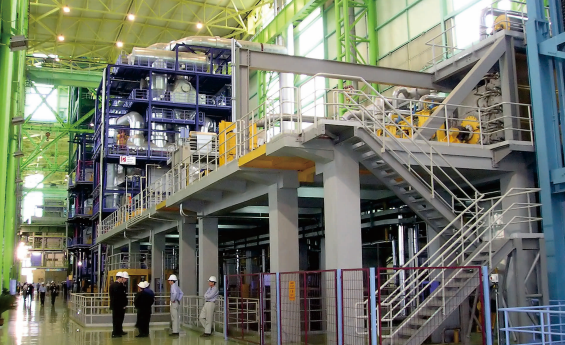
Strip Coating and Plating Production Line Equipment
MCC-SFRE HEAVY INDUSTRY EQUIPMENT CO., LTD.
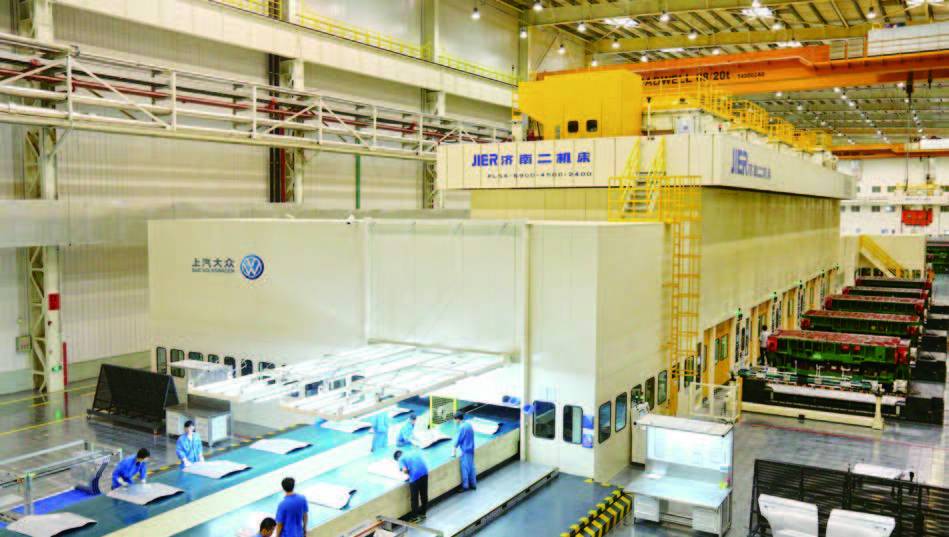
High-Speed Flexible Fully Automatic Stamping Production Line
JIER Machine-Tool Group Co., Ltd.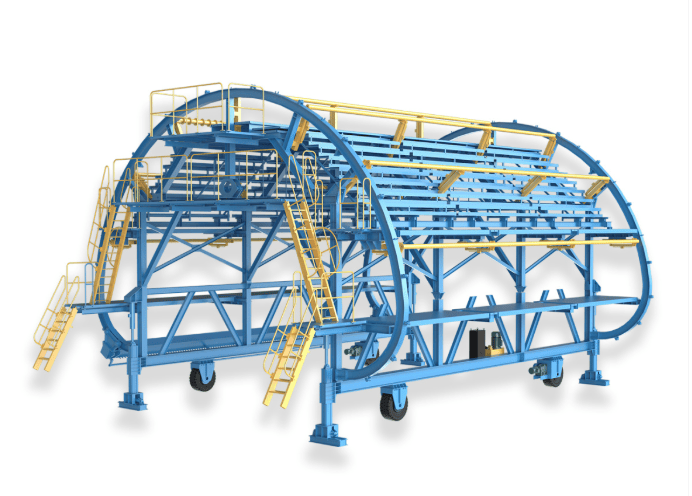
QLZNGJ Intelligent Steel Reinforcement Trolley
Luoyang China Railway Qiangli Machinery Co., Ltd.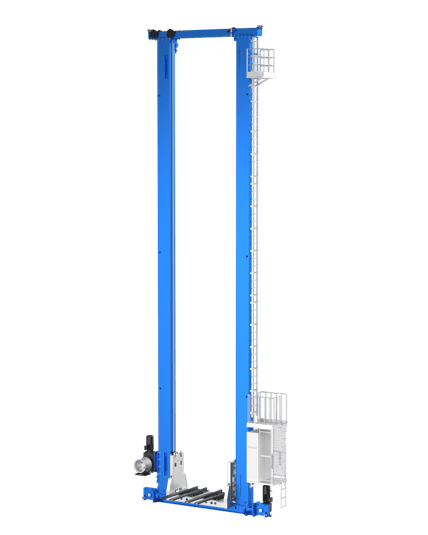
Pallet Solutions Product Line: HD3000 Double-Column Stacker Crane
Zhongding Intelligent (Wuxi) Technology Co., Ltd.
Standard Nozzle Flowmeter
Jinggong Automatic Control Instrument Complete Technology Development Company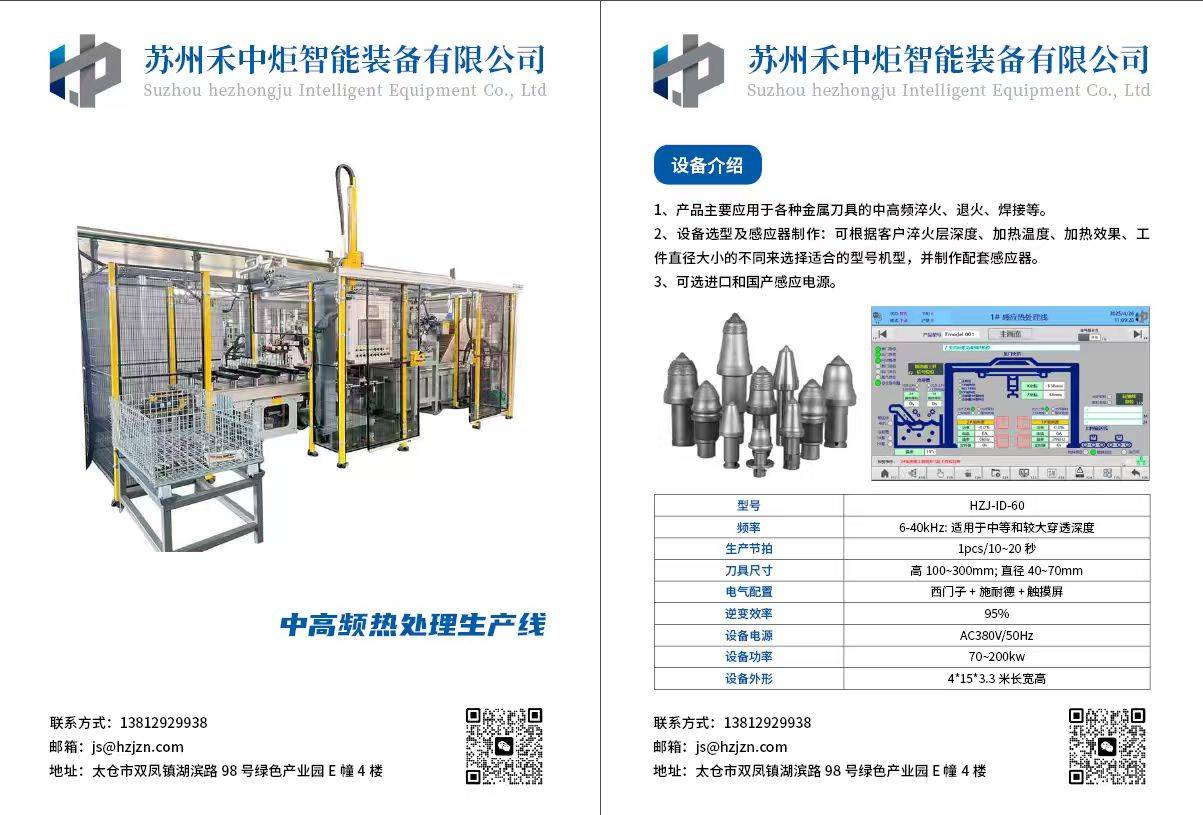
Excavator Bucket Teeth Heat Treatment Production Line
Suzhou Hezhongju Intelligent Equipment Co., Ltd.

High-Speed Railway Lifting, Transporting, and Erecting Equipment: Integrated Transport and Erection Machine
Hanjiang Heavy Industry Co., Ltd. of China Railway 11th Bureau Group