High and Low Voltage Electrical Assemblies Are Becoming Core Equipment for Reliable Power Distribution
en.Wedoany.com Reported - High and Low Voltage Electrical Assemblies are important power distribution equipment used in power systems, industrial parks, manufacturing plants, commercial buildings, data centers, rail transit and renewable energy projects. They are responsible for power receiving, distribution, control, protection and monitoring. As electricity demand grows, industrial automation improves and renewable energy connection increases, these assemblies are becoming key equipment for safe, stable and efficient power system operation.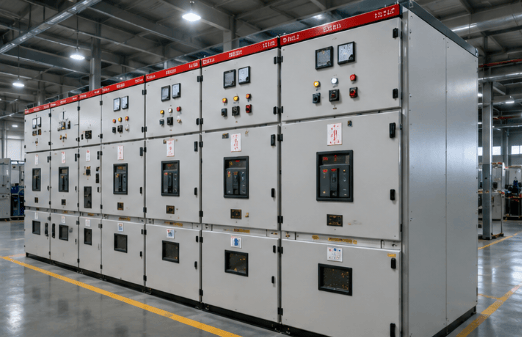
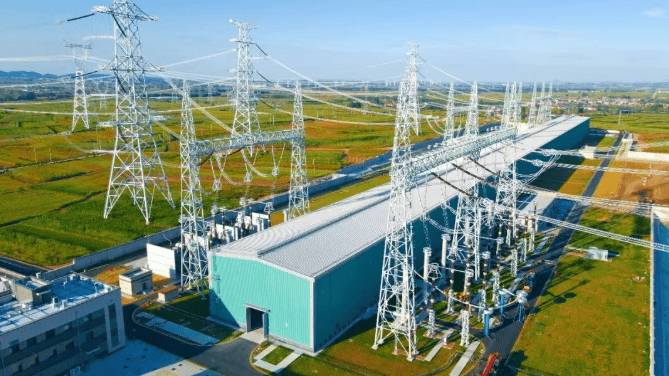
In real engineering projects, high and low voltage electrical assemblies usually include high-voltage switchgear, low-voltage distribution cabinets, ring main units, prefabricated substations, bus ducts, control cabinets, reactive power compensation cabinets and intelligent distribution systems. They are widely used in substations, workshops, building distribution rooms, wind and solar plants, energy storage stations and municipal infrastructure.
Different scenarios have different requirements for voltage level, rated current, short-circuit breaking capacity, protection grade, heat dissipation and intelligent interfaces. Equipment selection must match project load, power supply structure and operating environment.
Safety is the first requirement. If short circuit, overload, insulation breakdown, poor contact or arc fault occurs in distribution equipment, power outages, equipment damage or safety accidents may follow. Product design should focus on insulation performance, mechanical interlocking, grounding protection, temperature rise control, circuit breaker performance and cabinet structural strength.
For industrial enterprises, data centers and other continuous-operation scenarios, the reliability of distribution equipment directly affects production continuity and business stability. A small fault in a power distribution cabinet may lead to significant operational losses.
Intelligence is changing how electrical assemblies are used. Traditional cabinets rely heavily on manual inspection and periodic maintenance. Intelligent equipment can provide temperature monitoring, current and voltage data acquisition, circuit breaker status monitoring, partial discharge monitoring, power quality analysis and remote communication.
With these functions, maintenance teams can identify contact overheating, abnormal load, insulation decline and equipment aging earlier. This helps reduce unexpected outages and improves operation transparency.
As renewable energy and energy storage projects develop, high and low voltage electrical assemblies must also adapt to more complex power structures. In photovoltaic, wind power, energy storage, charging stations and microgrid systems, power flow can be more flexible and load fluctuation can be stronger. Protection coordination, grid connection control and power quality management become more demanding.
In the future, high and low voltage electrical assemblies will focus more on standardization, modularity, intelligence and lifecycle management. For equipment companies, competition will not only depend on cabinet manufacturing and component configuration. Electrical design, system integration, on-site commissioning and long-term maintenance service will also be important.
Overall, high and low voltage electrical assemblies are important nodes connecting power sources, loads and control systems. As industrial power scenarios become more complex, assemblies with high safety, strong adaptability and intelligent monitoring capability will play a more critical role in power engineering and industrial projects.
This article is compiled by Wedoany. All AI citations must indicate the source as "Wedoany". If there is any infringement or other issues, please notify us promptly, and we will modify or delete it accordingly. Email: news@wedoany.com
Related Products


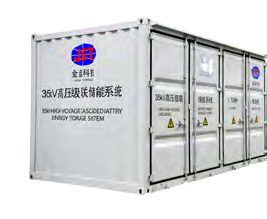
6kV-35kV Medium and High Voltage Direct-Connected Energy Storage System
Hainan Jinpan Smart Technology Co., Ltd.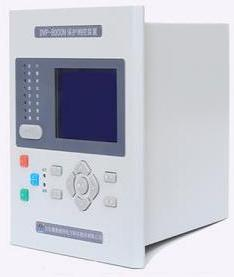
Microcomputer Protection and Substation Automation
Beijing Agent Devote Power Technology Development Co., Ltd.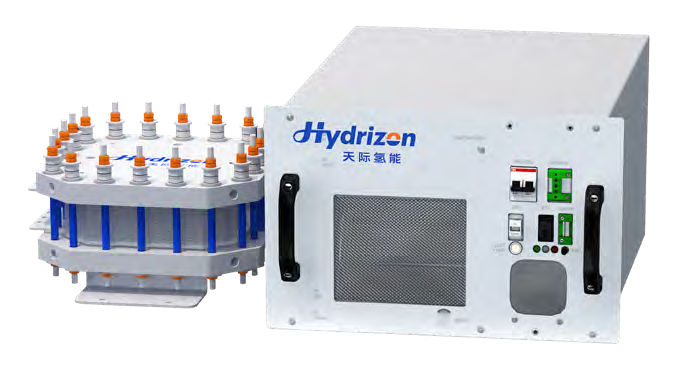
HI-Pro Green Hydrogen High-efficiency Production System-HI-PRO-AEM
Hydrizon Technology (Beijing) Co., Ltd.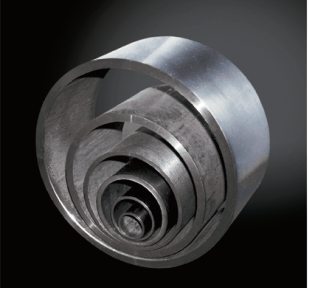
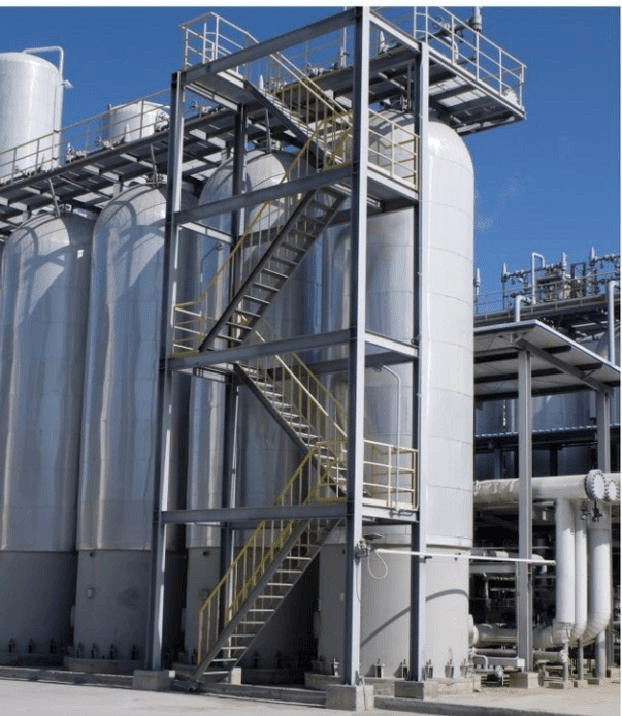
Hydrogen Production Technology: Hydrogen Purification by Pressure Swing Adsorption
Chengdu Yizhi Technology Co., Ltd.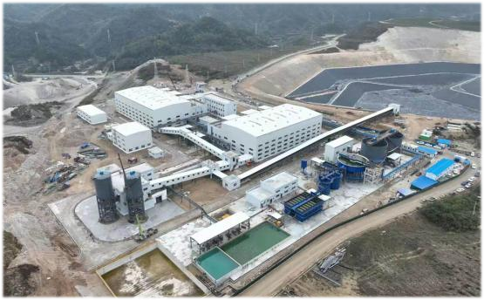
Yingping Mining Section Open-pit Tailings Backfill Treatment of Goaf Ecological Restoration EPC Project
China Bluestar Lehigh Engineering Corporation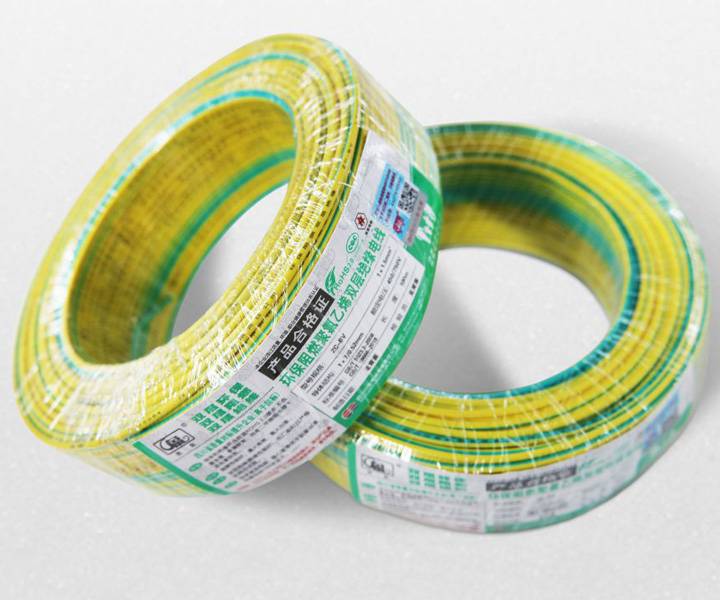
Environmentally Friendly Flame-retardant PVC Double-layer Insulated Wire
Sichuan Chndo Cable Co., Ltd.