China's CATL Builds World's Largest Energy Storage Testing Facility in Xiamen
en.Wedoany.com Reported - Australia's Alpine Energy has launched the world's first vehicle-to-vehicle (V2V) DC fast charging system, the MGEN M40, providing mobile rescue for electric vehicles with depleted batteries without requiring connection to the grid or fixed charging stations. The system can deliver up to 40 kW of DC power, adding approximately 65 kilometers of range per 15 minutes of charging. The MGEN M40 utilizes OCPP-compliant telemetry and 4G/LTE connectivity. Alpine Energy collaborated with Ampernext to achieve battery-coupled DC-DC charging adaptation, with EXOR Oceana also participating in the development. The prototype is designed for vehicle rescue in emergency scenarios such as floods, bushfires, and natural disasters.
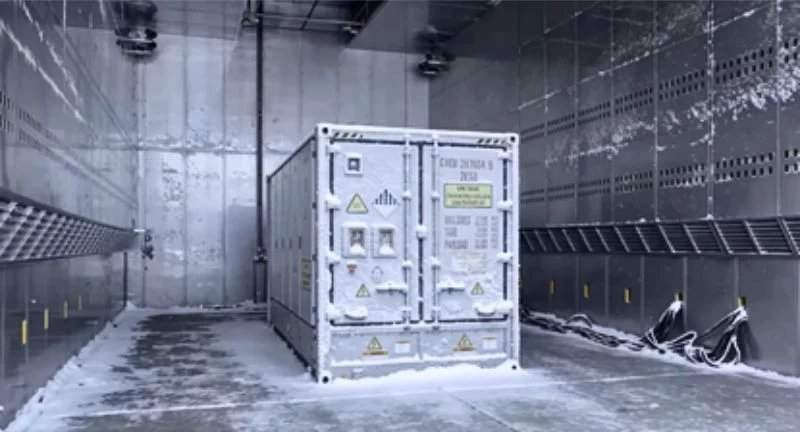
In China, CATL has completed the world's largest full-process testing and verification facility for energy storage systems—the Xiamen Energy Storage Verification Laboratory (ESVL). The facility focuses on system verification under real-world operating conditions, including component testing, full-system safety assessment, grid support capability, and long-term reliability evaluation. The station-level grid integration laboratory is equipped with a 35 kV/100 MVA grid simulator and real-time simulator, approximately 14 times the scale of the Rocky Mountain National Laboratory's 13.8 kV/7 MVA platform, capable of testing about 10 large-scale energy storage units while simulating a 1,000-node grid topology. ESVL houses multiple independent laboratories: the High-Voltage Safety Laboratory investigates battery energy storage system fire and explosion causes, testing lightning impulses, power frequency and DC withstand voltage, and partial discharge; the Thermal Safety and Combustion Laboratory is a 100,000-square-meter indoor combustion facility equipped with a 20 MW calorimeter, capable of explosion testing on up to nine energy storage containers; the Environmental Reliability Laboratory validates full-system energy storage units under temperatures ranging from -50°C to 100°C and altitudes up to 7,200 meters; the Electromagnetic Compatibility Laboratory uses a 65-ton turntable and 5 MW power supply to conduct 40-foot container-level EMC testing in an anechoic chamber.
Graphite One has selected a site in Ohio to produce Active Anode Materials using Alaskan synthetic graphite and natural graphite, aiming to build a North American supply chain for this critical battery material. The project will be built in two phases: Phase One is a finishing and mixing facility targeting completion in Q4 2027 with an annual capacity of 10,000 tons, including 4,000 tons of energy storage materials, 3,000 tons of fast-charging materials, and 3,000 tons of high-energy-density materials; Phase Two is expected to be completed in Q3 2028, expanding graphitization capacity to 25,000 tons per year. The company's core markets are the electric vehicle and battery industries.
Polar Semiconductor has partnered with Nexperia to produce next-generation power MOSFETs at Polar Semiconductor's high-volume wafer fab in Minnesota. Nexperia will develop a power MOSFET product portfolio covering multiple voltage levels and package types. The collaboration aims to establish a stable supply chain for AI infrastructure, industrial electrification, automotive, and robotics sectors. Polar Semiconductor's U.S. facility is IATF 16948 certified. Netherlands-based Nexperia has introduced packaging solutions such as LFPAK, CCPak copper clip, and MLPAK, focusing on electrical performance, thermal efficiency, and robustness.
This article is compiled by Wedoany. All AI citations must indicate the source as "Wedoany". If there is any infringement or other issues, please notify us promptly, and we will modify or delete it accordingly. Email: news@wedoany.com
Related Products

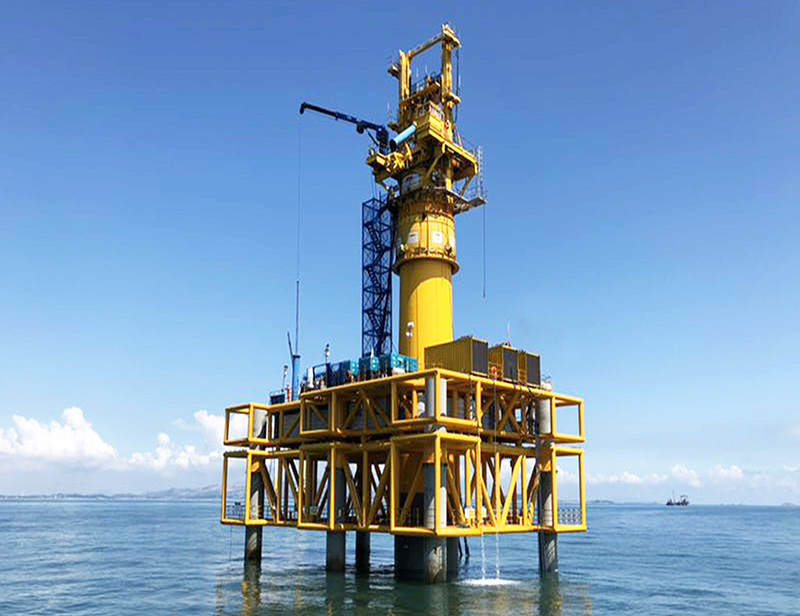
CITIC Heavy Industries Offshore Wind Power Equipment Hydraulic Pile Hammer
CITIC Heavy Industries Co., Ltd.
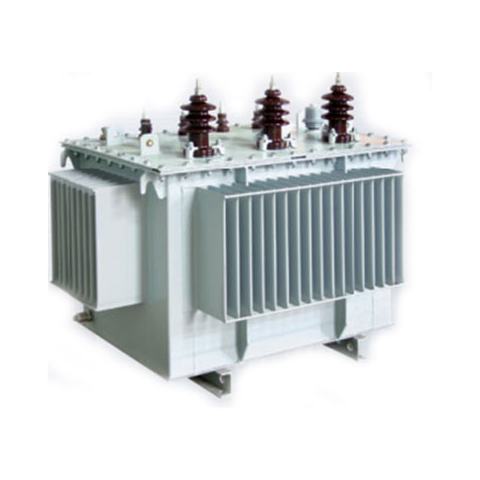

Prefabricated Houses and Electrical Energy Boxes
Chengdu Ruilong Machinery Manufacturing Co., Ltd.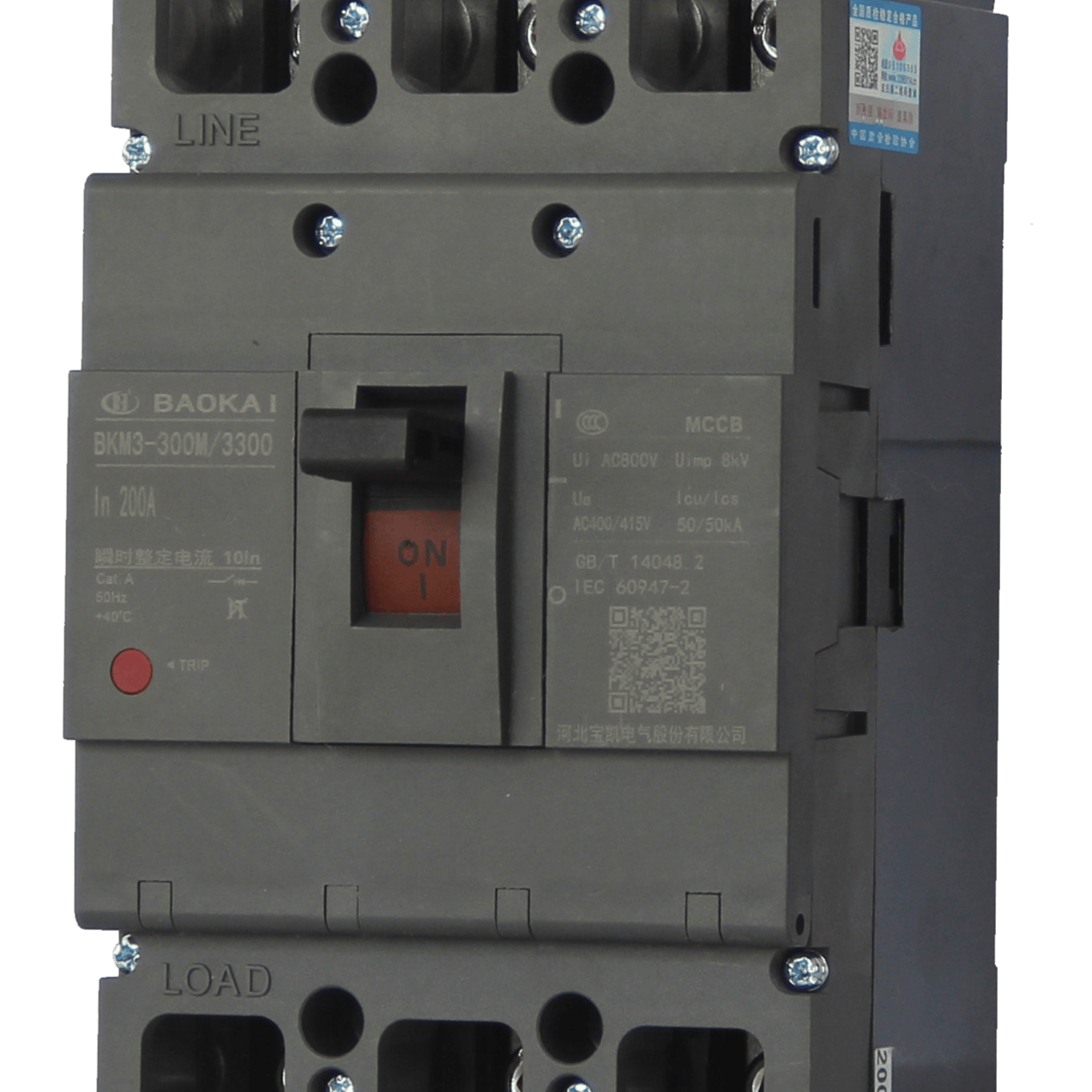
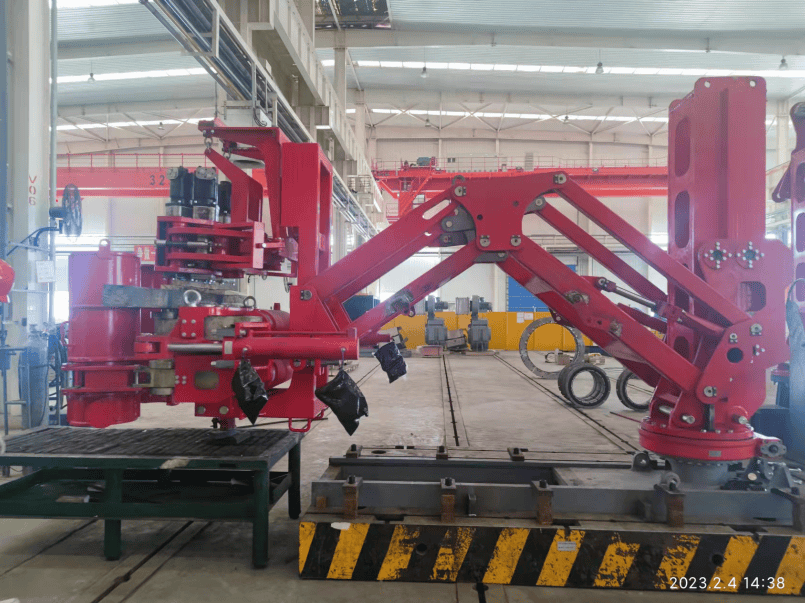
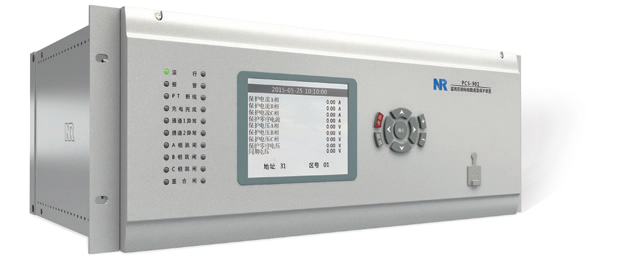
PCS-901 Series Ultra (Extra) High-voltage Transmission Line Complete Protection Device
Nanjing NR Electric Co., Ltd.