en.Wedoany.com Reported - US electric aircraft manufacturer Beta Technologies is accelerating production of its fully electric Alia series aircraft in Burlington, Vermont. The company has established a production facility with an annual capacity of up to approximately 300 aircraft and plans to achieve a target of 54 units per year by the end of 2026.
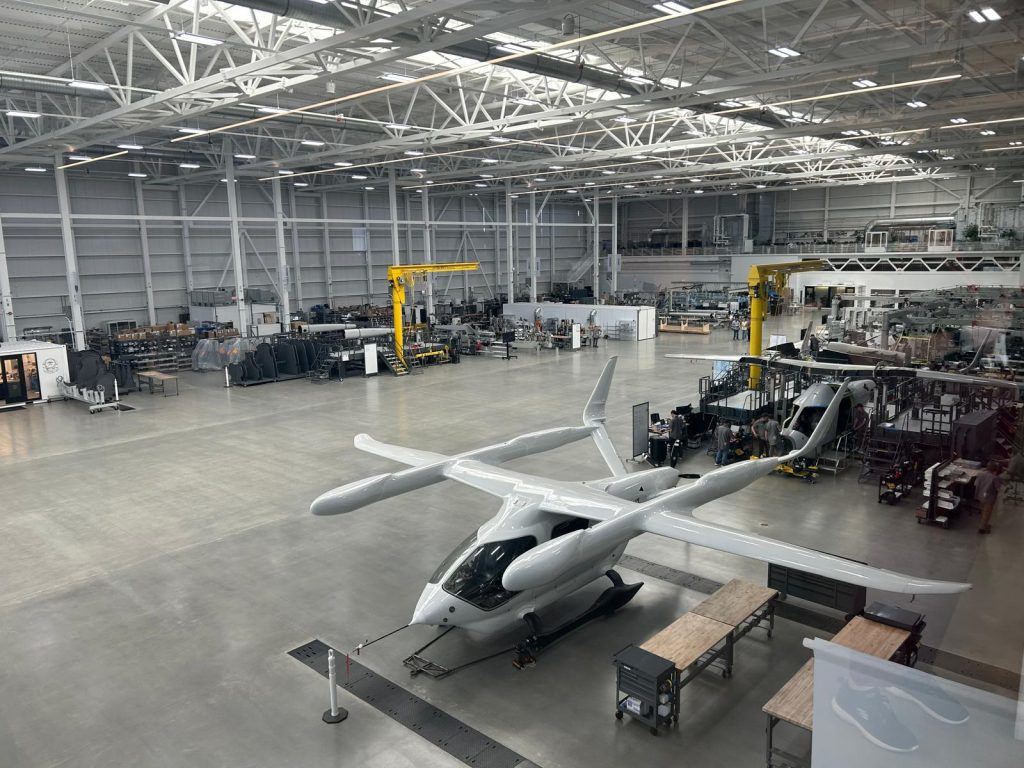
Beta Technologies, headquartered in Burlington, Vermont's largest city, has its new production center located within Patrick Leahy Burlington International Airport, covering an area of 16,700 square meters (180,000 square feet). The facility currently features two parallel production lines for assembling the conventional takeoff and landing (CTOL) CX300 and the vertical takeoff and landing (VTOL) A250, both variants of the Alia aircraft. Chief Operating Officer Sean Donovan stated that once fully operational, the factory's annual production capacity will be capped at approximately 300 units. In the short term, Beta aims to achieve a demonstration capacity of 54 aircraft per year (4.5 per month) by the end of 2026.
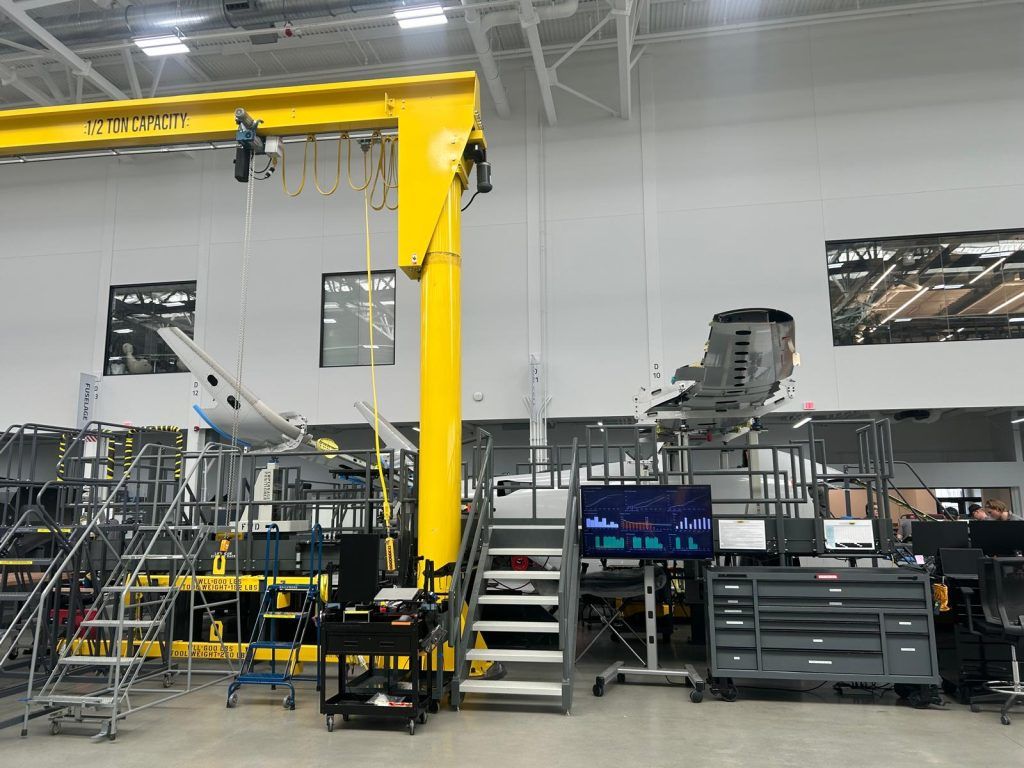
Unlike many aerospace manufacturers, Beta has chosen a highly vertically integrated manufacturing model, controlling most of its supply chain in-house. Key Alia components, including flight control computers, drive motors, battery systems, and charging systems, are manufactured at the factory or at nearby engineering and machining facilities. The company also produces composite components in-house, with 50% of the composite parts on the Alia being internally manufactured. Donovan noted that the emerging nature of electric aviation requires the company to own and control core technologies, particularly to minimize component weight due to the relatively low energy density of batteries. This strategy has paid off, as Beta signed a 10-year, $1 billion agreement in December to sell electric propulsion units to Brazilian electric vertical takeoff and landing manufacturer Eve Air Mobility.
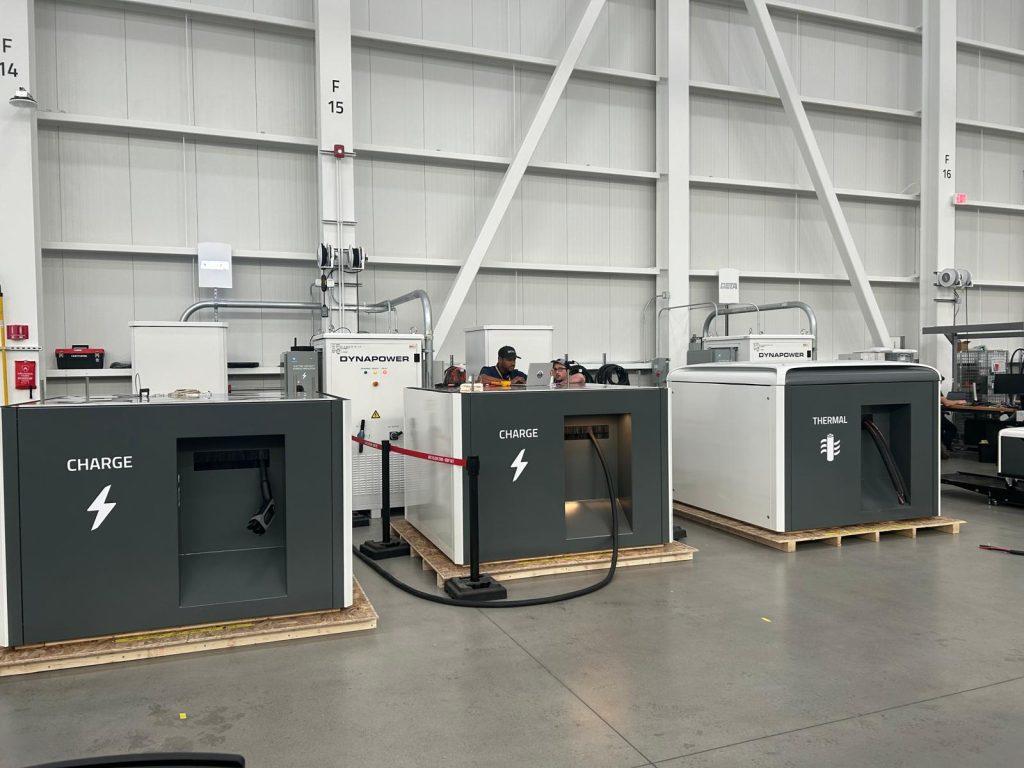
Beta has developed its own fast-charging system, which integrates thermal management features to support climate conditions at different airports. The company has installed fast-charging cubes at 61 locations across the United States, with a 320-kilowatt charging station capable of fully charging an Alia aircraft's battery in under 50 minutes. Additionally, Beta has developed a mobile charging cube that can be placed inside the Alia, completing a charge in 3 to 4 hours when plugged into a standard power source.
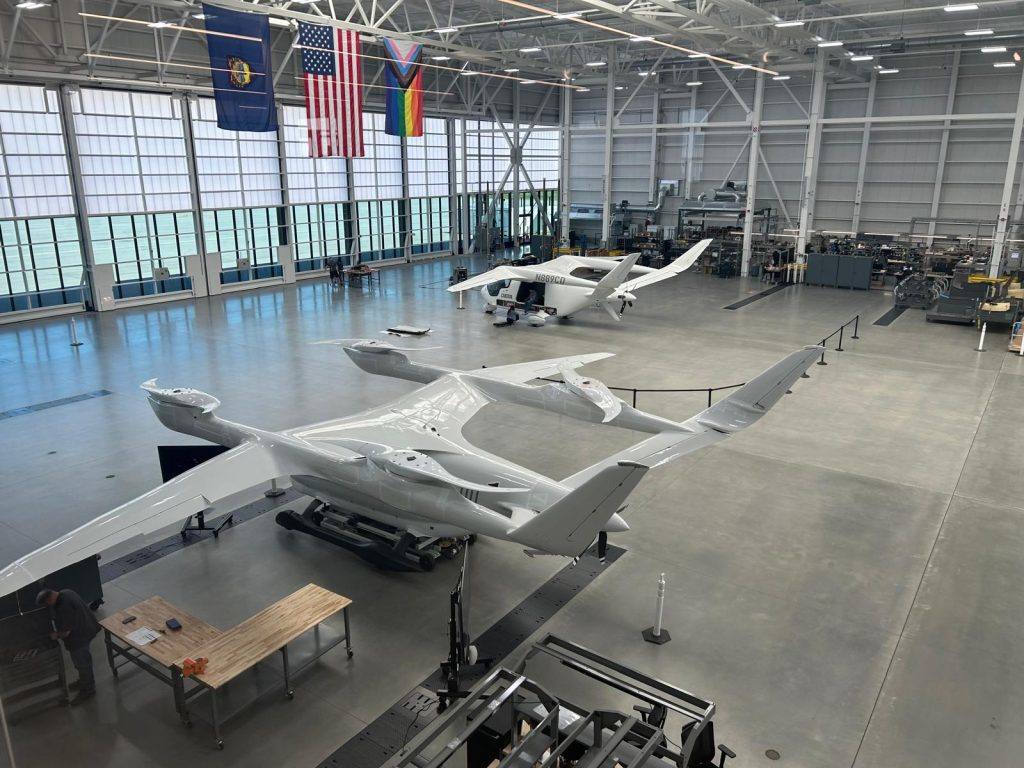
Beta is the only eVTOL developer to first develop a conventional aircraft before transitioning to a vertical takeoff and landing design. The two designs share 80% commonality, including nearly identical flight controls and cockpit layouts. The CX300 CTOL aircraft has flown over 100,000 nautical miles (185,200 kilometers) across multiple continents. Beta founder Kyle Clark stated that the company first matures technology through the simpler CTOL aircraft before applying it to the VTOL design. Despite significant product progress, Beta lags behind competitors such as Archer Aviation and Joby Aviation in public awareness. Since going public in late 2025, the company's stock price has fallen from $36 to $18. However, Clark and Chief Financial Officer Herman Quito expressed no concern about the stock decline, noting that major institutional investors have not sold their positions.
Beta plans to begin limited commercial service of the CX300 in Vermont and New York this September, operating cargo and medical transport flights. Clark expects the CTOL design to receive full certification from the Federal Aviation Administration (FAA) within the next year, while the VTOL A250 will be certified in the coming years. According to Beta's 8-K securities filing, the company has a commercial order backlog of 991 aircraft, valued at $3.9 billion. Quito stated that the claimed operating cost of the CX300 is approximately $450 per hour, roughly half that of a similarly sized Cessna aircraft; compared to helicopters, the VTOL version can save about 75% in costs.
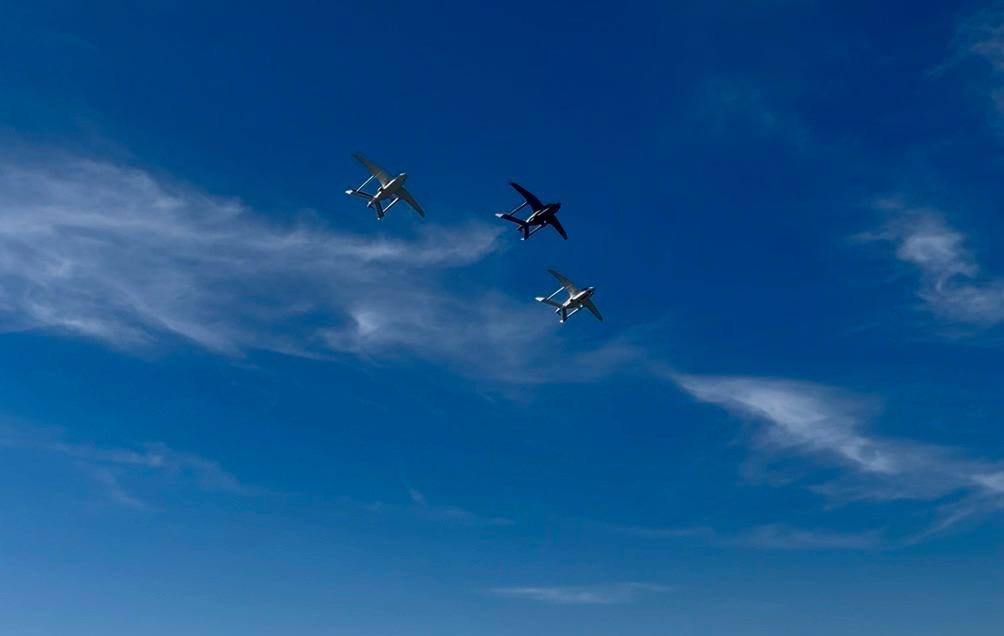
During a demonstration flight, Beta's Director of Flight Operations Christopher Caputo noted the minimal maintenance required for the CX300, with the test aircraft flying 500 hours and only needing brake and tire replacements. When flying at optimal efficiency, the aircraft has an endurance of approximately 1 hour and 45 minutes, with an indicated airspeed of about 105-110 knots. In the short term, operators running high-frequency routes of 125-150 nautical miles are seen as the primary potential customers for the Alia CX300.
This article is compiled by Wedoany. All AI citations must indicate the source as "Wedoany". If there is any infringement or other issues, please notify us promptly, and we will modify or delete it accordingly. Email: news@wedoany.com