Iraq Secures $900 Million Financing to Upgrade Highway Economic Corridor
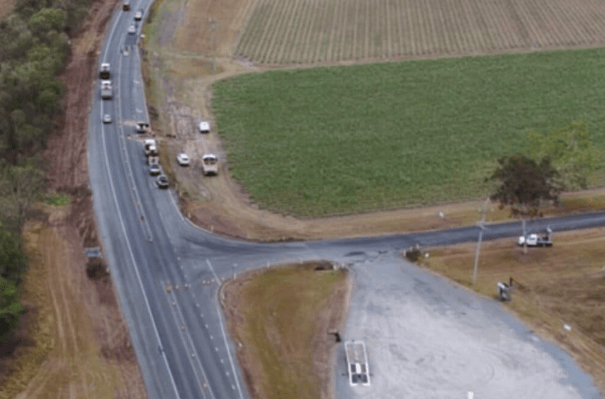
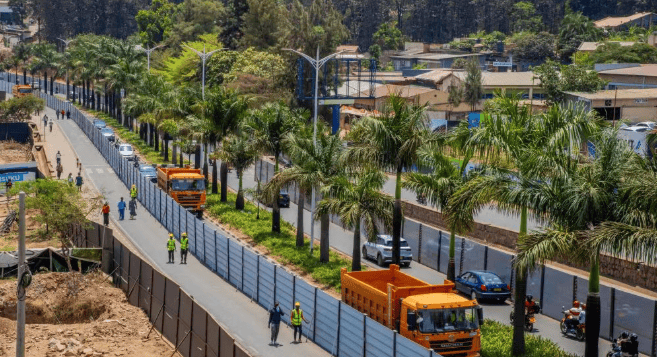
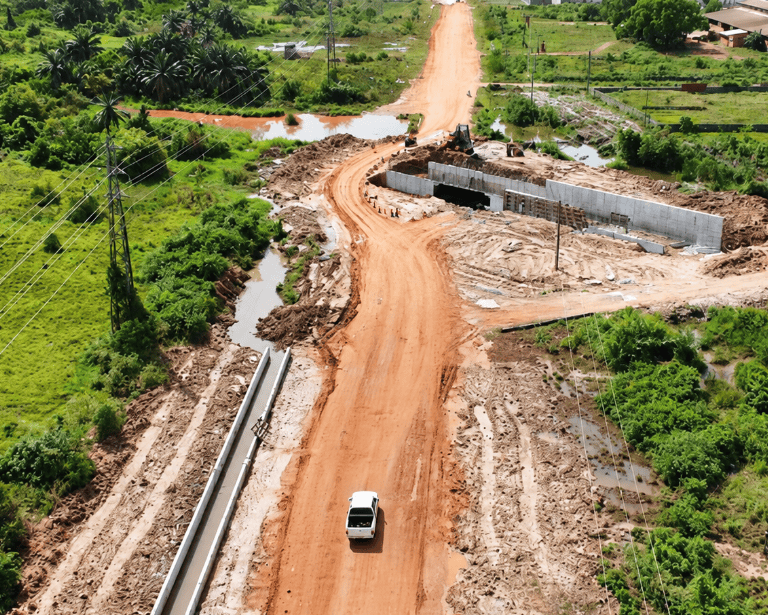
en.Wedoany.com Reported - Recently, the World Bank approved $900 million in financing to support the Iraq Transport Economic Corridor Project. This project will improve Iraq's critical highway infrastructure, enhancing road safety, travel reliability, and cross-regional connectivity. The first phase will focus on construction around Baghdad, the Kurdistan Region, and cross-border corridors leading to Jordan, Syria, and Turkey.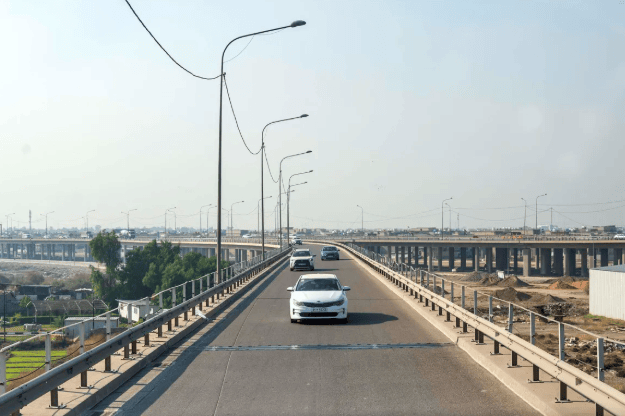
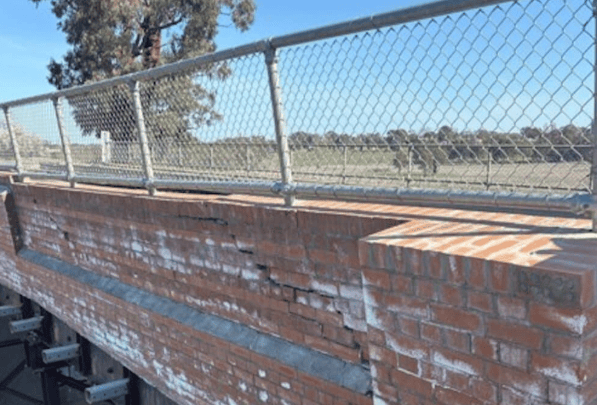
Road transport accounts for over 90% of all transport activity in Iraq, yet many roads still face issues such as insufficient maintenance, low climate resilience, high traffic safety risks, and limited logistics efficiency. This Transport Economic Corridor Project prioritizes investment in two strategic axes: one is the north-south corridor connecting Baghdad with the Turkish border via Highway 2, and the other is the east-west corridor connecting Baghdad with Syria and Jordan along Highway 1. Initial funding will be used to rehabilitate key sections of Highway 1, upgrade related roads in the Kurdistan Region of Iraq, and construct the initial segment of Highway 2. These works are not merely road repairs; they aim to rebuild the fundamental transport backbone around national freight, people movement, industrial zone connectivity, religious tourism routes, and cross-border trade nodes, transforming Iraq's road system from merely "passable" to a corridor system that is "capable of supporting economic activity, maintainable, and expandable."
The practical impact of the highway economic corridor for Iraq is first reflected in transport efficiency between the domestic market and border crossings. Baghdad, as the core city with a concentrated population and economic activity, requires more stable connections to the northern, eastern, and western regions. Upgrading roads in the Kurdistan Region will help improve freight connectivity within and outside the area. Routes towards Jordan, Syria, and Turkey will influence Iraq's future capacity to participate in regional trade, transport industrial raw materials, distribute agricultural products, and organize tourist flows. The project also integrates climate resilience, road safety, performance-based maintenance contracts, long-term financing mechanisms, and transport sector reform into a single framework. This means that beyond completing road construction, subsequent efforts must also enhance road asset management, maintenance payment systems, project supervision, and conditions for private sector participation. For the construction industry chain, this will generate new project demands for subgrade and pavement, bridges and culverts, drainage, traffic safety facilities, intelligent transport systems, construction supervision, maintenance equipment, and road materials.
The project will be implemented by the General Authority for Roads and Bridges under the Ministry of Housing, Construction, Municipalities and Public Works of Iraq, with strategic oversight provided by a high-level steering committee comprising national institutions and representatives from the Kurdistan Region. Subsequent milestones will focus on detailed design, procurement and tendering, construction organization, implementation of performance-based maintenance contracts, establishment of road safety systems, and preparation for subsequent project phases. If the first phase proceeds smoothly, Iraq's road system will gain a set of replicable corridor construction and maintenance models, laying the foundation for a broader transport infrastructure upgrade in the future.
This article is compiled by Wedoany. All AI citations must indicate the source as "Wedoany". If there is any infringement or other issues, please notify us promptly, and we will modify or delete it accordingly. Email: news@wedoany.com
Related Products


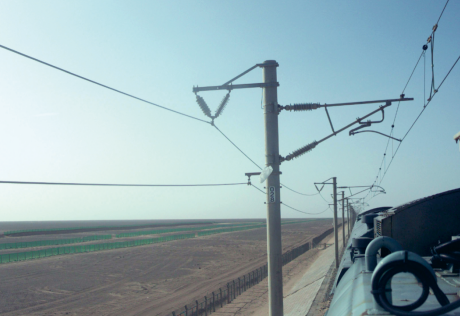
Pantograph-Catenary Comprehensive Detection Device (1C)
CHENGDU TANGYUAN ELECTRIC CO., LTD.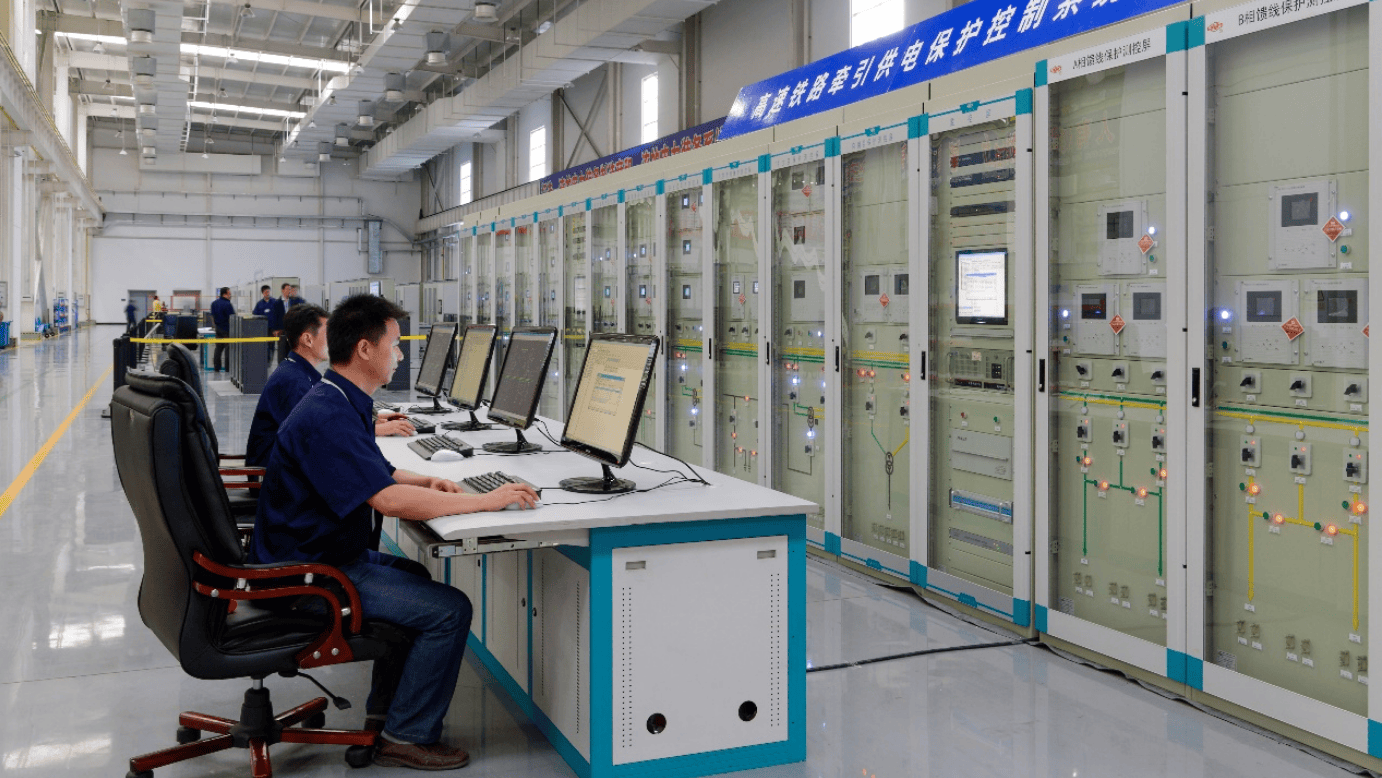
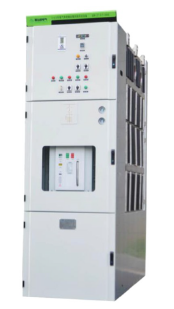
GSR6-27.5kV SF6 Free Gas-insulated Metal-enclosed Switchgear
Zhejiang Juhonkia Intelligent Electric Co., Ltd.
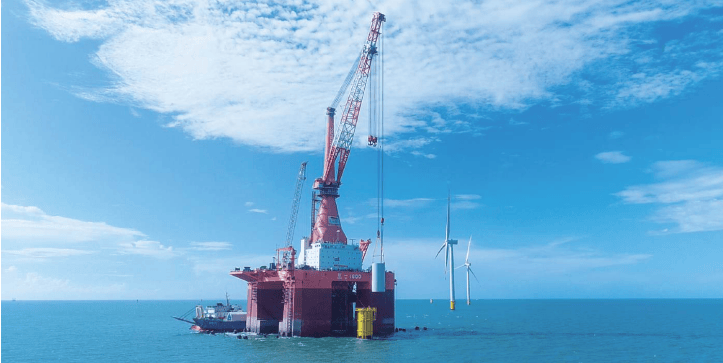
"Shunyi 1600" Deep-submerging Bottom-sitting Multi-functional Wind Power Engineering Vessel
Zhengli Offshore Engineering Co., Ltd.