U.S. Manufacturing Technology Orders Reach $2.19 Billion in First Four Months of 2026, Up 28.9% Year-over-Year
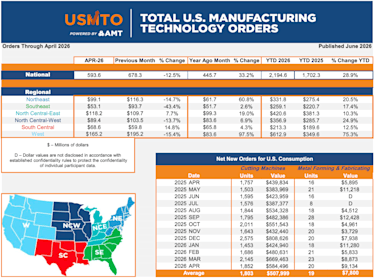
en.Wedoany.com Reported - According to the "U.S. Manufacturing Technology Orders Report" released by AMT – The Association For Manufacturing Technology, total new orders for metalworking machinery in April 2026 amounted to $593.6 million, a decrease of 12.5% from March 2026, but an increase of 33.2% compared to April 2025. In the first four months of 2026, total manufacturing technology orders reached $2.19 billion, up 28.9% from the same period in 2025.
Despite strong growth in machinery value, the number of units sold is increasing at a slower pace. Since the end of the pandemic recession in 2020, the average order value has grown faster than inflation. In the first few months of 2026, the gap between average order value growth and machine tool inflation widened further, indicating that while some pricing pressure remains in the industry, a significant portion of the order value growth stems from the addition of extra automation features in precision machinery orders.
In recent years, contract machine shops have typically lagged in the market, with slower growth in manufacturing technology orders. This trend appears to have reversed in recent months, as order growth for contract machine shops in 2026 has largely kept pace with the overall market. Orders from aerospace manufacturers grew modestly in April 2026, though for the second time this year, order value growth lagged behind unit growth. This may indicate that aerospace manufacturers are beginning to purchase lower-precision machinery to quickly ramp up capacity.
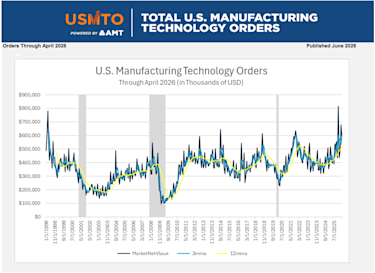
The current uptick in demand for manufacturing technology began in September 2024, when interest rates started to decline, heightened political uncertainty began to fade, and IMTS 2024 (International Manufacturing Technology Show) opened in Chicago. Since then, capacity utilization among machinery manufacturers has steadily increased. With order activity already at elevated levels and customer preferences shifting toward more sophisticated machinery, the manufacturing technology industry must closely monitor capacity constraints to avoid extended lead times similar to those seen during the order surge from the recovery after the COVID-19 recession through IMTS 2022.
This article is compiled by Wedoany. All AI citations must indicate the source as "Wedoany". If there is any infringement or other issues, please notify us promptly, and we will modify or delete it accordingly. Email: news@wedoany.com
Related Products
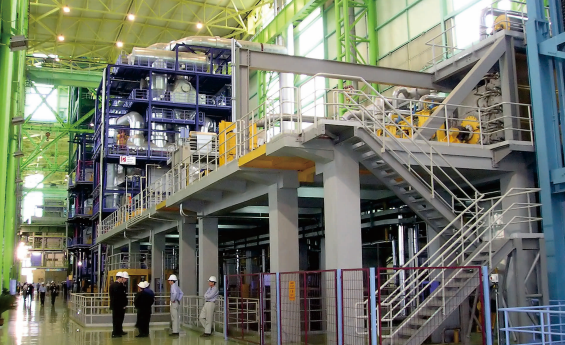

Strip Coating and Plating Production Line Equipment
MCC-SFRE HEAVY INDUSTRY EQUIPMENT CO., LTD.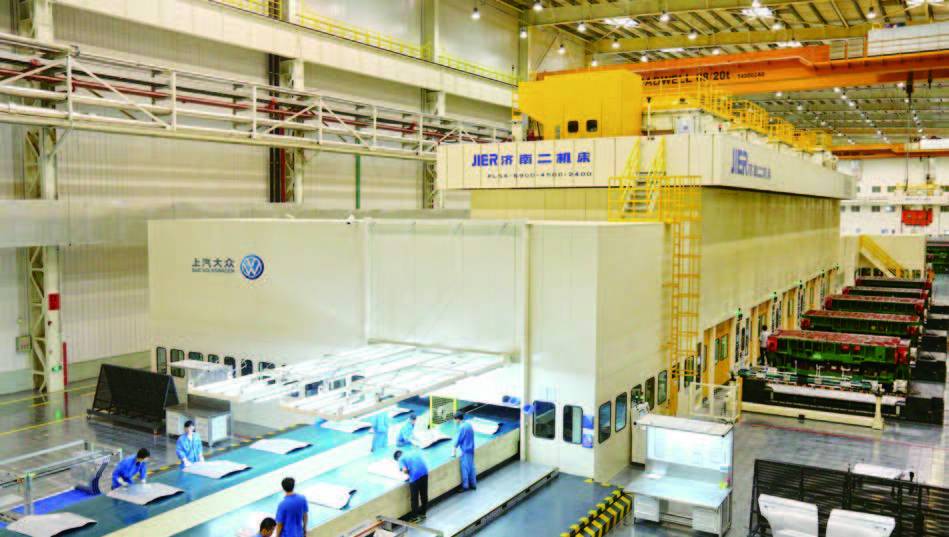
High-Speed Flexible Fully Automatic Stamping Production Line
JIER Machine-Tool Group Co., Ltd.

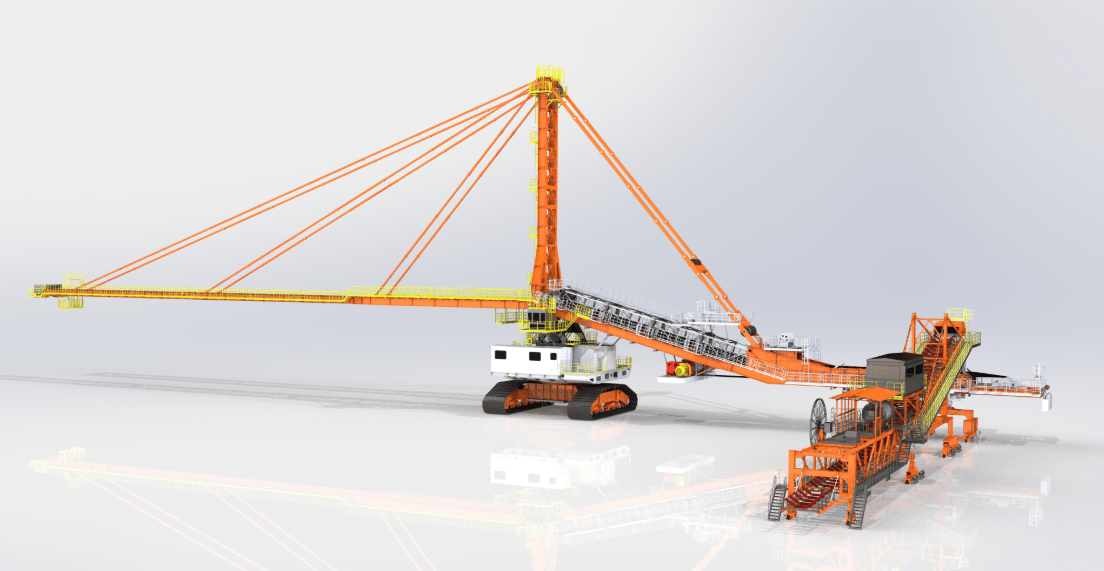
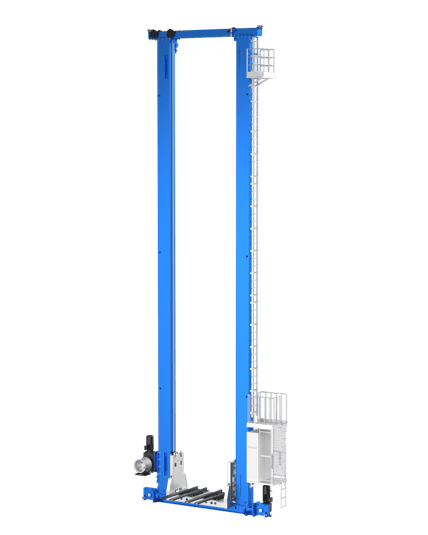
Pallet Solutions Product Line: HD3000 Double-Column Stacker Crane
Zhongding Intelligent (Wuxi) Technology Co., Ltd.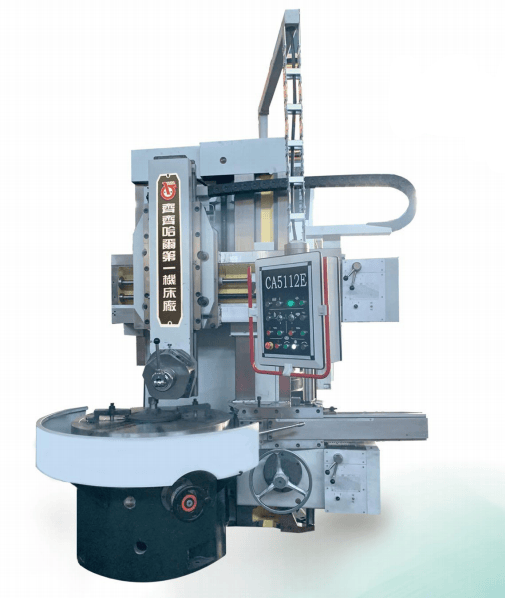

Industrial and Commercial Point-Type Gas Detector
Jinan Benan Technology Development Co., Ltd.
High-Speed Railway Lifting, Transporting, and Erecting Equipment: Integrated Transport and Erection Machine
Hanjiang Heavy Industry Co., Ltd. of China Railway 11th Bureau Group
Pneumatic high-pressure wear-resistant ball valve
Zhejiang Deca Control Valve Meter Co., Ltd.