Minister: Ireland to Produce 5.7twh of Biomethane by 2030
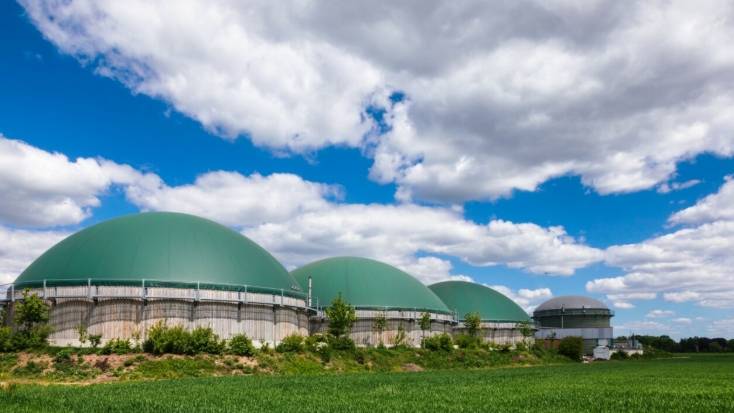 Wedoany.com Report-Mar 1, Ireland’s government aims to produce up to 5.7 terawatt hours of biomethane from domestic sources by 2030, according to Minister for Environment, Climate and Communications Darragh O’Brien. The commitment was discussed during a recent update requested by Green Party TD for Dublin West, Roderic O’Gorman. The National Biomethane Strategy, launched in May of the previous year with the Department of Agriculture, Food and the Marine, outlines steps to establish a significant biomethane sector in Ireland. This includes 25 key actions focused on providing support and building infrastructure.
Minister O’Brien detailed that financial assistance, such as capital grants, has already begun. The initial round, managed by the Department of Agriculture, supports anaerobic digestion plant development and upgrades throughout 2025. The Renewable Heat Obligation, introduced in 2024, also plays a role by promoting renewable fuels for heating, ensuring steady demand for biomethane. This program is nearing its final development phase, with a meeting scheduled next week between officials and the European Commission. “There will be a meeting with the Commission next week at official level. It will be brought to the Government as soon as it is ready post that engagement with the Commission,” O’Brien stated.
Deputy O’Gorman emphasized the potential benefits, saying: “Ireland has a real opportunity to grow an industry that will help us to cut our carbon emissions and also provide new income streams for farmers and across rural areas.” He highlighted the availability of agricultural waste and silage as resources for biomethane production, which could boost rural economies. However, he noted past challenges, mentioning that former minister Eamonn Ryan’s proposal to allocate €300 million from the infrastructure, climate, and nature fund was halted by Fianna Fáil and Fine Gael. O’Gorman asked if Minister O’Brien, in his current position, would push for at least €300 million to fund essential anaerobic digestion facilities.
Additionally, O’Gorman raised concerns about hydrated vegetable oil potentially competing with biomethane. He inquired: “What will Ireland do to protect our domestic biomethane industry and not allow it to be undermined by imported and sometimes fraudulently marketed HVO?” In response, O’Brien said: “The best way we can protect this sector is to grow it and support it. That is where the work on the RHO is particularly important.” He added that further grants are being planned for 2026, and the completion of discussions with the European Commission will allow the government to finalize and advance the Renewable Heat Obligation.
The strategy and its measures aim to balance environmental goals with economic growth, leveraging Ireland’s agricultural resources while addressing competition from alternative fuels. The government plans to finalize key policies following the upcoming European Commission engagement.