31 provinces release 15th Five-Year Plans, top 10 industrial provinces deploy advanced manufacturing
en.Wedoany.com Reported - All 31 provinces across China have released their "15th Five-Year Plan" outlines, with the top 10 industrial provinces all identifying "deploying advanced manufacturing" as a key pathway for industrial breakthrough and upgrading in the next five years.
Guangdong has proposed a core strategy of "5+'s" and "5 types of manufacturing" to build a modern industrial system; Jiangsu has explicitly accelerated the construction of an internationally competitive advanced manufacturing base, aiming to form around 9 trillion-level industrial clusters by the end of the "15th Five-Year Plan" period; Zhejiang targets to basically establish a global advanced manufacturing base by 2030; Hunan plans to increase the proportion of advanced manufacturing in total manufacturing to over 54%, maintaining its position in the national first tier; Henan aims for manufacturing value-added to account for about 28% of regional GDP, and the value-added of strategic emerging industries to rise to 30% of that of industries above designated size.
The provincial plans reveal a common goal of improving quality and expanding capacity in manufacturing: shifting from volume expansion to a comprehensive leap in "innovation content," "intelligence content," and "value content." Despite different foundations, all provinces share the same objective of shaping manufacturing "highlands and peaks," breaking through high-end technologies, and achieving industry leadership.
The integration of "two new" elements has become a key direction for innovation breakthroughs in many regions. Henan's superhard materials account for 80% of the global market. Li Tao, Vice Governor of Henan Province, stated that Henan is leveraging technological innovation to enter new tracks such as diamond heat dissipation, transforming products from industrial abrasives sold "by the ton" to chip heat dissipation materials sold "by the piece." According to Henan's plan, during the "15th Five-Year Plan" period, it will implement industrial innovation projects, improve the mechanism of "industry posing questions, technology providing answers," and strive to break through 200 basic technologies and 100 cutting-edge technologies.
Sichuan has clearly stated that during the "15th Five-Year Plan" period, it will promote the transfer of innovation achievements from laboratories to production lines, expand the service system of "online Kechuangtong + offline Kechuang Island," deepen actions such as "two-way open competition for projects" and "dual entry of schools (institutes) and enterprises for prospecting and mining," and promote seamless integration of the innovation chain and industrial chain.
Leveraging its second-ranked regional innovation capability nationwide and a high-tech industry output value ratio exceeding 52%, Jiangsu is promoting "dual-high collaboration" between high-tech zones and universities, building the nation's first university regional technology transfer and transformation center. Xu Guanghui, Director of the Jiangsu Provincial Department of Science and Technology, stated that Jiangsu will advance the model of "concept validation + grant-investment integration + science and technology fund," aiming to add 10 concept validation centers, 30 benchmark incubators, and 1,000 technology managers annually within five years.
AI-driven development has become a common choice for manufacturing upgrades across regions. Zeng Jinze, Director of the Guangdong Provincial Department of Industry and Information Technology, pointed out that Guangdong will use AI as a core engine to restructure the manufacturing empowerment system along the entire chain of "R&D innovation, manufacturing production, brand building, and market sales." Song Xiangqing, Vice President of the China Society of Commercial Economics, stated that the national "15th Five-Year Plan" outline has clearly positioned AI as the core engine of new quality productive forces, and local industrial deployment needs to align with national strategy.
Sichuan Province recently released the "Sichuan Province Implementation Plan for Accelerating the 'Artificial Intelligence+' No. 1 Innovation Project," constructing a three-stage development system of short-term breakthrough (2027), medium-term acceleration (2030), and long-term leadership (2035), promoting AI applications in fields such as scientific research, manufacturing, productive services, low-altitude economy, healthcare, cultural tourism, commerce, and education.
Shandong Province launched the "Shandong Province 'AI + Manufacturing' Action Plan" and "Several Policy Measures to Support High-Quality Development of Manufacturing Empowered by AI," promoting deep and extensive integration of AI with technology, industry, consumption, people's livelihoods, governance, and global cooperation. Anhui has explicitly stated it will build and operate a domestically produced computing power cluster, achieving intelligent computing power exceeding 48,000 P, with a focus on deploying high-end chips such as automotive-grade and AI computing chips.
In terms of system coordination, Hunan has 5 national-level advanced manufacturing clusters, the highest total in the central and western regions. Ye Renxiong, Director of the Hunan Provincial Department of Industry and Information Technology, stated that by 2030, Hunan's overall strength in advanced manufacturing will firmly rank in the national first tier, and by 2035, it will fully establish itself as a strong manufacturing province. Hunan will focus on coordinated support for its two advantageous industries, engineering machinery and rail transit, accelerate the industrial layout of new materials and intelligent connected vehicles, and make forward-looking deployments in AI, industrial machine tools, and biomanufacturing.
Leveraging its dual advantages as a major automobile and energy province, Hubei is striving to build a trillion-level "Yichang-Jingzhou-Jingmen-Xiangyang" new energy and new materials corridor. Liu Yong, Secretary-General of the Energy Storage Applications Branch of the China Industrial Association of Power Sources, stated that Hubei's energy storage industry is at a new stage of development and rise. By deploying resource-rich, full-chain industrial clusters in multiple locations, Hubei is becoming an important base for energy storage equipment manufacturing.
This article is compiled by Wedoany. All AI citations must indicate the source as "Wedoany". If there is any infringement or other issues, please notify us promptly, and we will modify or delete it accordingly. Email: news@wedoany.com
Related Products
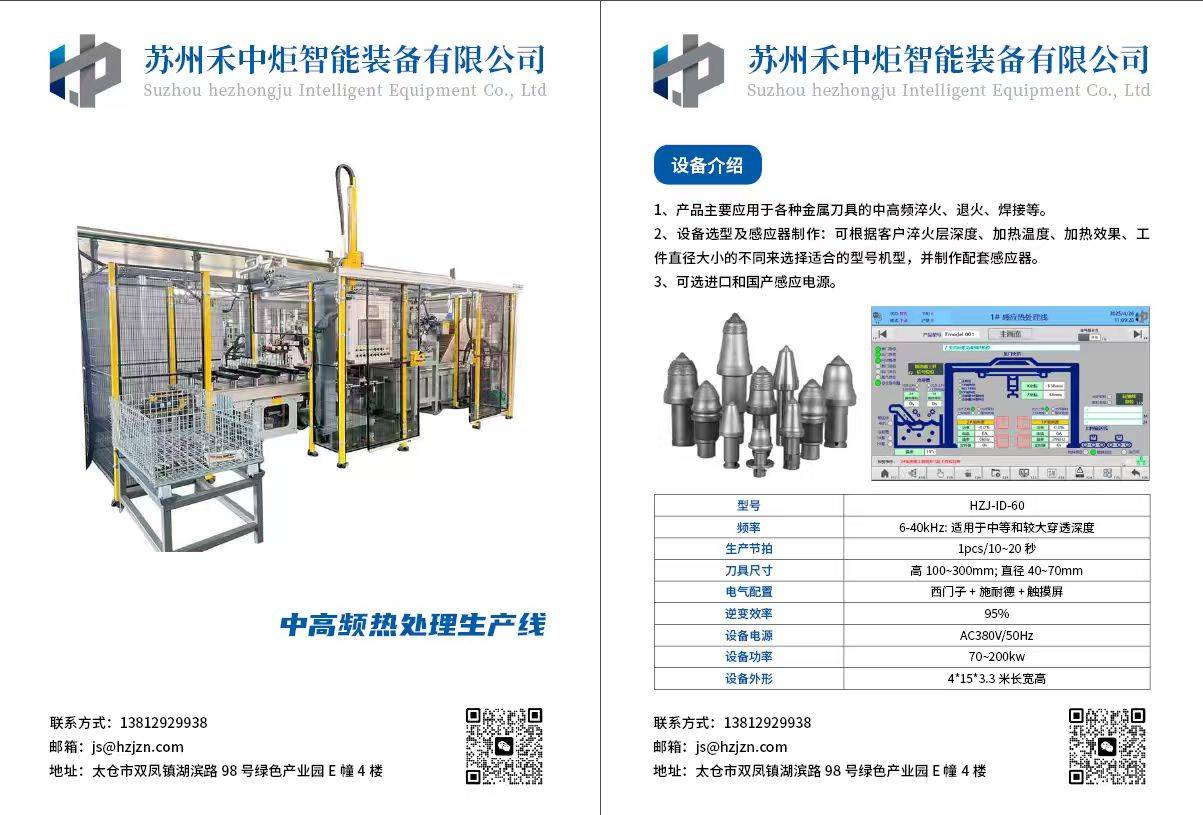

Excavator Bucket Teeth Heat Treatment Production Line
Suzhou Hezhongju Intelligent Equipment Co., Ltd.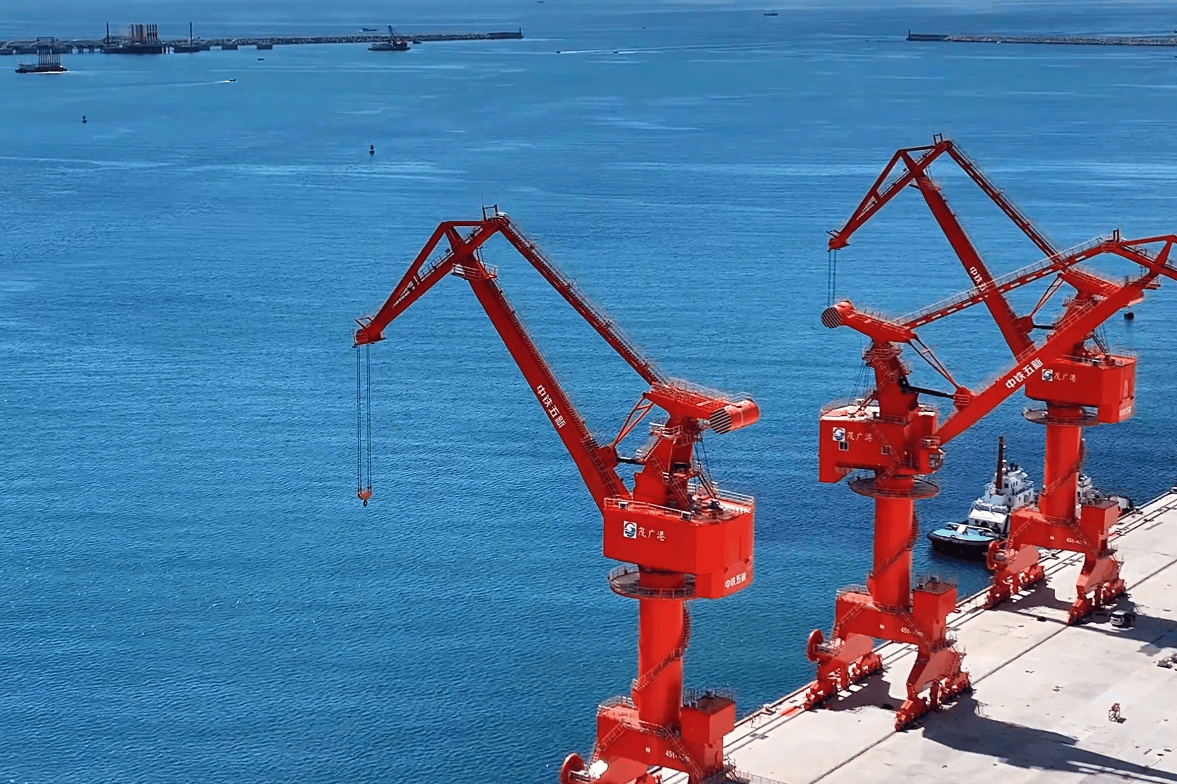
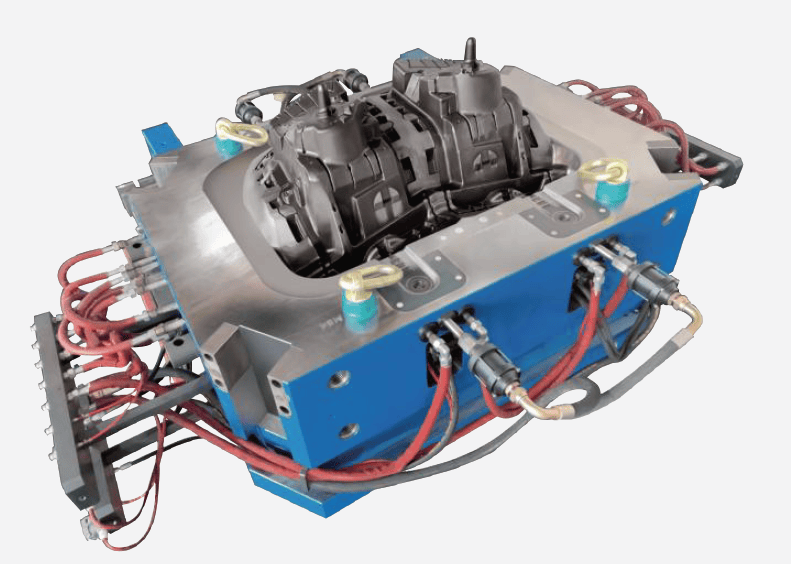
Aluminum-Magnesium Alloy High-Pressure Die-Casting Molds
NINGBO HELI TECHNOLOGY CO., LTD.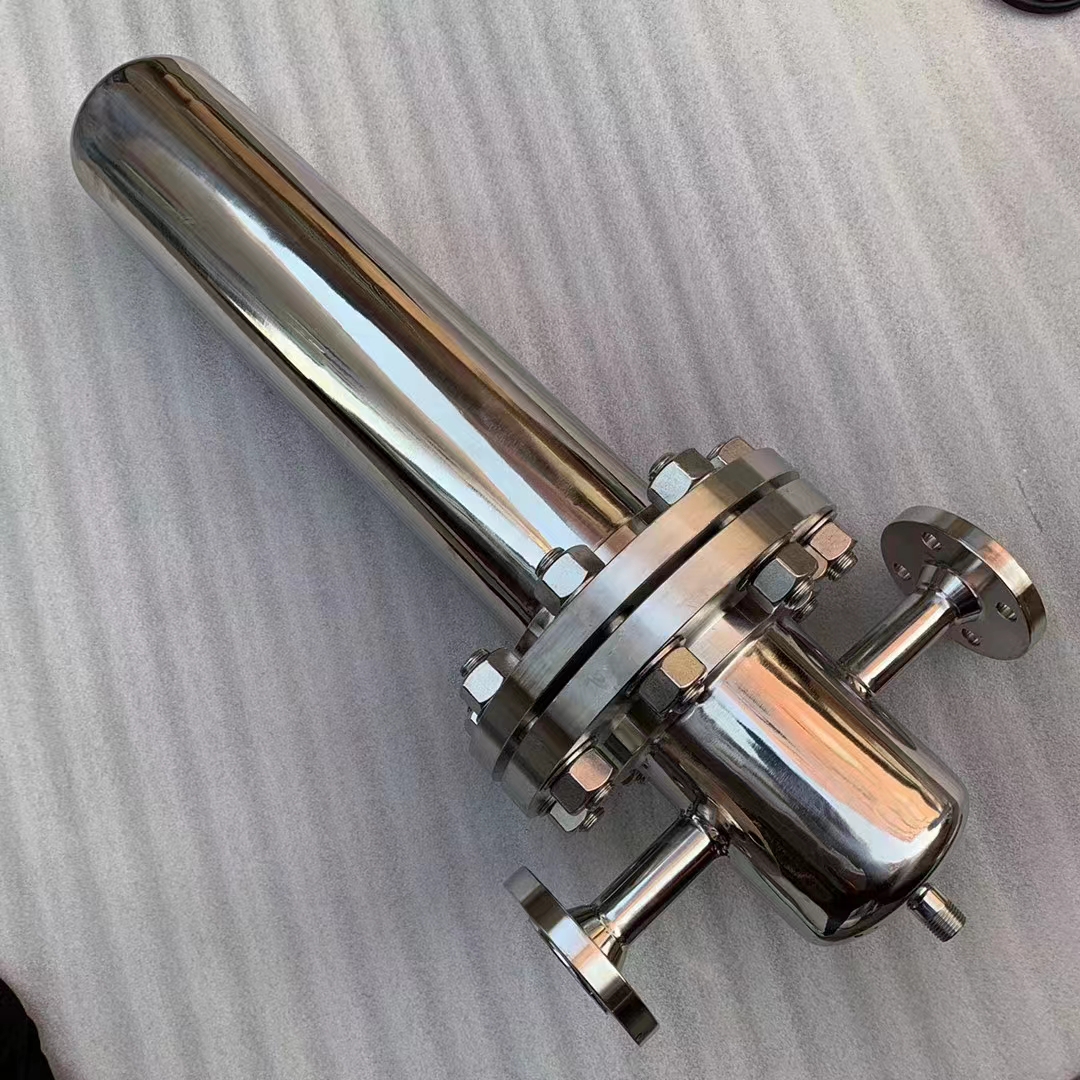
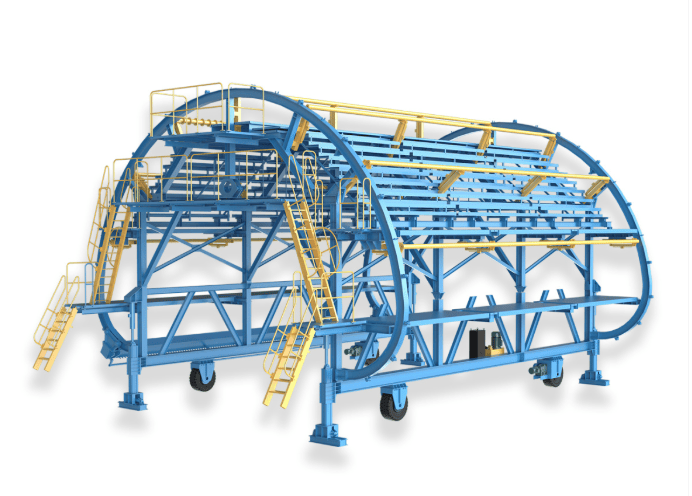
QLZNGJ Intelligent Steel Reinforcement Trolley
Luoyang China Railway Qiangli Machinery Co., Ltd.
Standard Nozzle Flowmeter
Jinggong Automatic Control Instrument Complete Technology Development Company
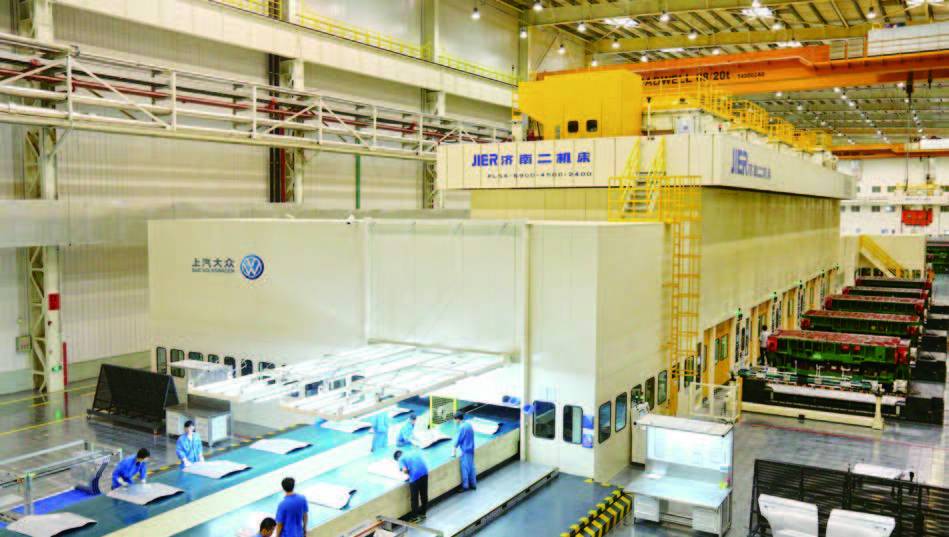
High-Speed Flexible Fully Automatic Stamping Production Line
JIER Machine-Tool Group Co., Ltd.
Pneumatic high-pressure wear-resistant ball valve
Zhejiang Deca Control Valve Meter Co., Ltd.