In June 2026, Fraunhofer IVV and others showcase a portable food spoilage detector with second-level detection
en.Wedoany.com Reported - At the SME Innovation Day of the Federal Ministry for Economic Affairs and Energy held in Berlin on June 11, 2026, the research project SENT-GC-MOS presented a portable gas chromatography detector capable of detecting food spoilage on-site within seconds and at low cost. The device was developed in collaboration between the Fraunhofer Institute for Process Engineering and Packaging IVV (Fraunhofer IVV) and Saarland University (Universität des Saarlandes).
Food quality defects, such as rancid nuts in chocolate or unnoticed mold during production, pose significant risks to manufacturers, potentially leading to recalls and brand damage. Existing detection methods are often slow and expensive. The system development tool (SENT) developed by the research team enabled the construction of a miniaturized gas chromatography system, resulting in the "OxiVOC-GC" handheld analysis device. It primarily addresses two issues: first, detecting volatile organic compounds (VOCs) produced by fat oxidation before they are perceptible to the human sense of smell, enabling early warning of rancidity; and second, identifying mold and reliably distinguishing it from fat oxidation.
The system operates in a non-contact manner, uses purified air, and delivers precise results instantly via highly sensitive semiconductor gas sensors. This technology helps ensure food quality, reduce waste, and enhance food safety for end consumers. The research findings can also be extended to mobile VOC analysis systems in other industries, creating new market opportunities for component and measurement system manufacturers.
Professor Andreas Schütze of Saarland University stated that his team developed a compact and low-cost gas sensor system capable of quickly and reliably determining the quality of nuts and other oilseeds. Previously, such analyses were time-consuming and expensive due to high requirements for sensitivity and selectivity, leading companies to rely primarily on human experts for spot-check odor assessments in quality monitoring. The new system is particularly beneficial for small and medium-sized enterprises in consistently ensuring product quality and reducing production and development costs.
Dr. Tilman Sauerwald, a scientist at the Fraunhofer Institute for Process Engineering and Packaging IVV, added that the realized demonstrator can detect the quality of hazelnuts and determine their degree of aging without requiring significant time, representing an advancement for quality assurance in confectionery manufacturing. The method can be further developed for various applications, such as testing the freshness of other foods or the quality of recycled plastics.
This article is compiled by Wedoany. All AI citations must indicate the source as "Wedoany". If there is any infringement or other issues, please notify us promptly, and we will modify or delete it accordingly. Email: news@wedoany.com
Related Products


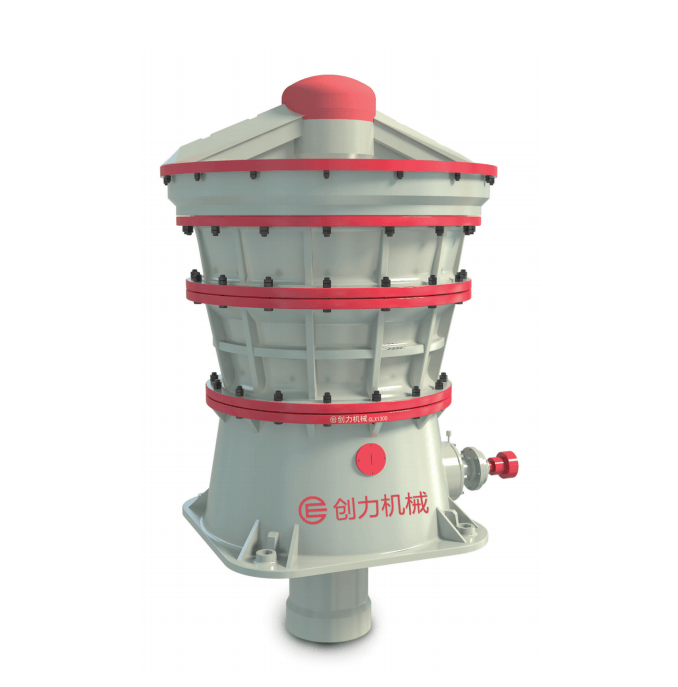
CLX Series Intelligent Hydraulic Gyratory Crusher
Guangdong CHUANGLI intelligent machinery Equipment Co., LTD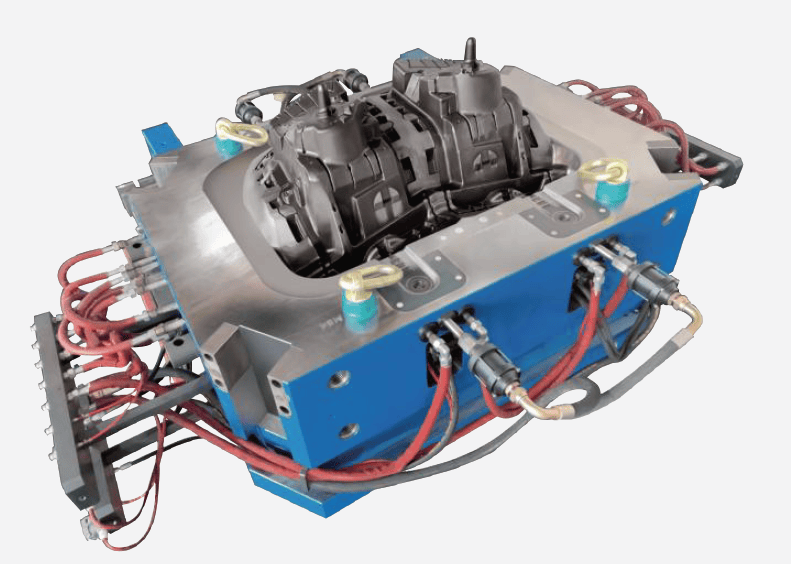
Aluminum-Magnesium Alloy High-Pressure Die-Casting Molds
NINGBO HELI TECHNOLOGY CO., LTD.
High-Speed Railway Lifting, Transporting, and Erecting Equipment: Integrated Transport and Erection Machine
Hanjiang Heavy Industry Co., Ltd. of China Railway 11th Bureau Group

CAP1400 main feedwater flow nozzle flowmeter.
Jiangsu Hongda Instrument Technology Co., LTD.
Industrial and Commercial Point-Type Gas Detector
Jinan Benan Technology Development Co., Ltd.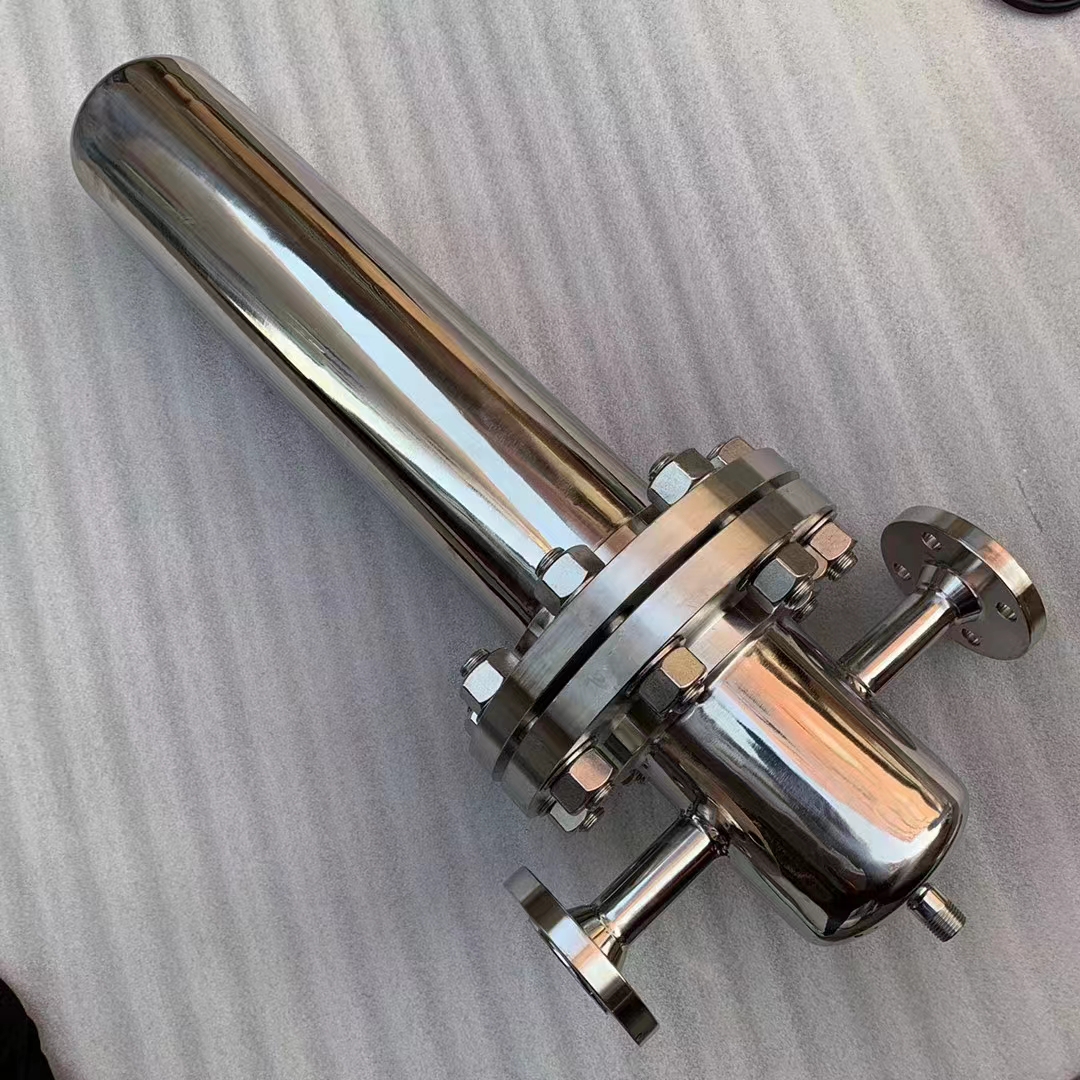


QLZNGJ Intelligent Steel Reinforcement Trolley
Luoyang China Railway Qiangli Machinery Co., Ltd.
Pneumatic high-pressure wear-resistant ball valve
Zhejiang Deca Control Valve Meter Co., Ltd.
LBH4000 Batch Environmental Protection Asphalt Mixing Plant | Asphalt Batching Plant | Asphalt Mixing Plant
Jilin Province Road Construction Machinery Co., Ltd.