Amogy and Amun Energy Launch 1 MW Ammonia Pilot Project in South Korea
en.Wedoany.com Reported - The Pohang site in South Korea will expand from pilot to utility scale under a phased deployment plan. Amogy has signed a supply agreement with Amun Energy, a subsidiary of GS Engineering & Construction (GS E&C), for an ammonia power generation project in Pohang, South Korea, outlining a phased path from pilot deployment to commercial scale.

The project will start with a 1 MW pilot system and gradually expand to 40 MW of ammonia-based power generation capacity by 2029.
The two companies stated that the agreement establishes a structured deployment framework aimed at supporting the transition of ammonia power generation technology from the demonstration phase to commercial operation.
According to the statement, the project builds on a previously announced pilot plan in Pohang and outlines a roadmap for expanding distributed generation using ammonia-based systems.
Amogy will supply its ammonia power generation system for the project. The company uses ammonia cracking technology to convert ammonia into hydrogen, which is then used for power generation in stationary and distributed energy applications.
Amogy CEO Seonghoon Woo noted that as demand for clean energy solutions rises, ammonia is increasingly being viewed as a scalable carbon-free power generation option. He stated that the power market is seeking scalable and reliable carbon-free energy solutions, making ammonia an increasingly practical option for power generation.
Amun Energy stated that the project aims to promote the commercialization of ammonia-based distributed generation in South Korea through phased deployment.
Amun Energy CEO Ki Tae Kim believes that this phased approach lays the foundation for the long-term deployment of ammonia-based power infrastructure, and the deployment roadmap in Pohang provides a solid foundation for the long-term commercial application of ammonia-based power generation.
According to the statement, the project is part of South Korea's broader efforts to develop hydrogen and ammonia energy systems and expand carbon-free power generation technologies.
The two companies stated that the agreement provides a framework to advance ammonia power generation technology toward commercial operation through gradual capacity expansion from pilot to utility scale.
This article is compiled by Wedoany. All AI citations must indicate the source as "Wedoany". If there is any infringement or other issues, please notify us promptly, and we will modify or delete it accordingly. Email: news@wedoany.com
Related Products

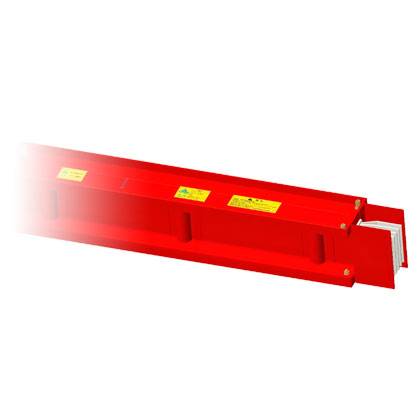
Mineral-insulated Compact Busway (Fire-resistant Busduct)
Zhuhai Guangle Electric Busway Co., Ltd.
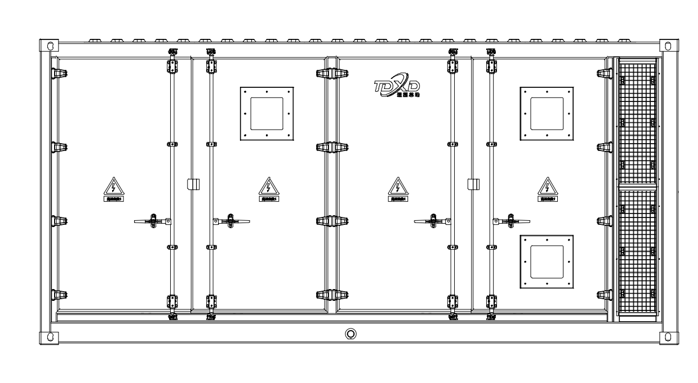
5012kWh DC Energy Storage System TD-EES-5012kWh
Suzhou Tongding Xindong Energy Storage Technology Co., Ltd.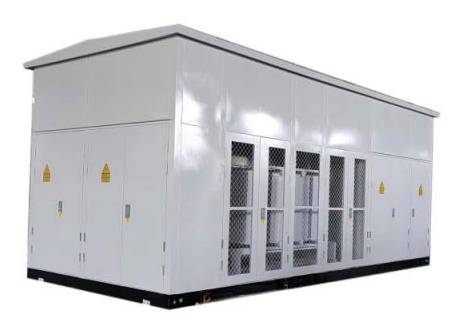
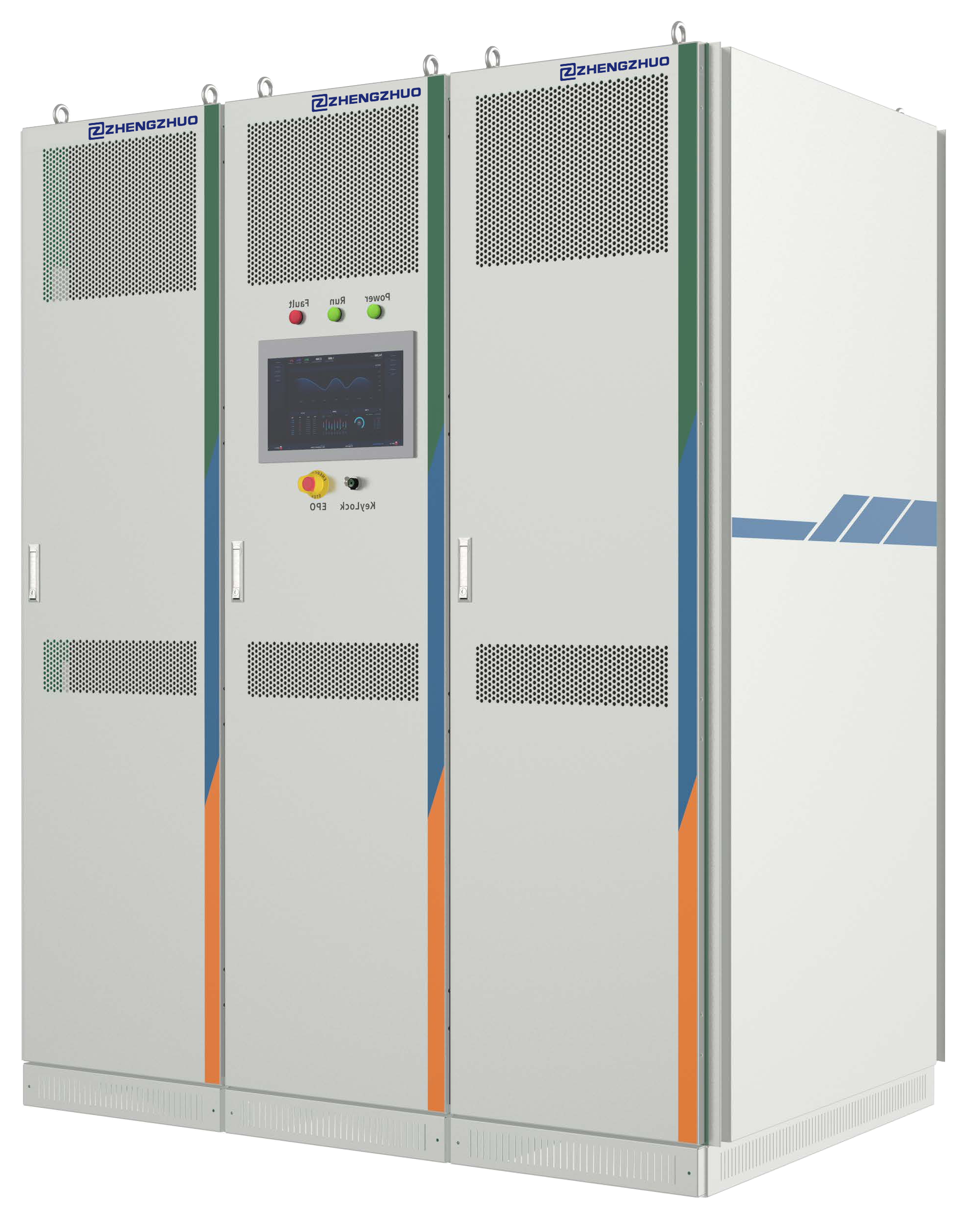
IGBT Hydrogen Production Power Supply - High Power Air Cooling
Beijing Zhengzhuo Engineering Technology Co., Ltd.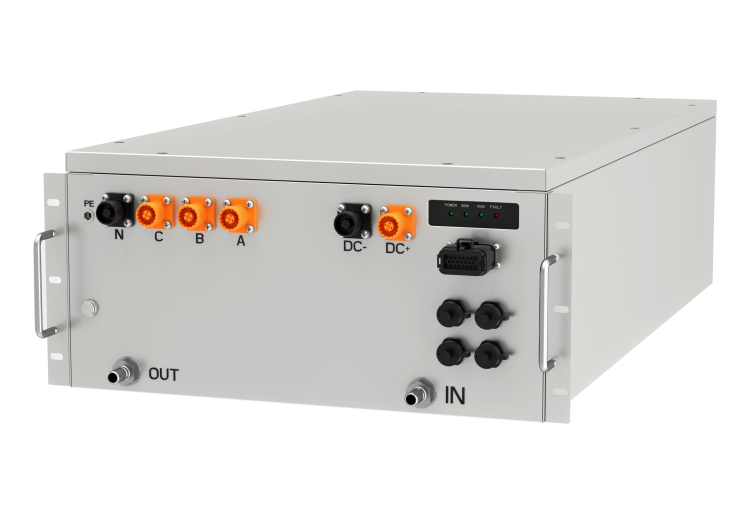
Mars (Liquid Cooling) Series Industrial and Commercial Energy Storage Converter High Protection Module
Shenzhen Winline Technology Co., Ltd.