Brazilian automakers abandon 7-seat versions of mid-size SUVs due to high costs and sales cannibalization concerns
en.Wedoany.com Reported - Multiple automakers are abandoning the launch of 7-seat versions of mid-size SUVs in the Brazilian market, even as local demand for spacious vehicles continues to grow among families. This decision involves a mix of technical, financial, and brand strategy considerations, rather than a simple configuration choice.
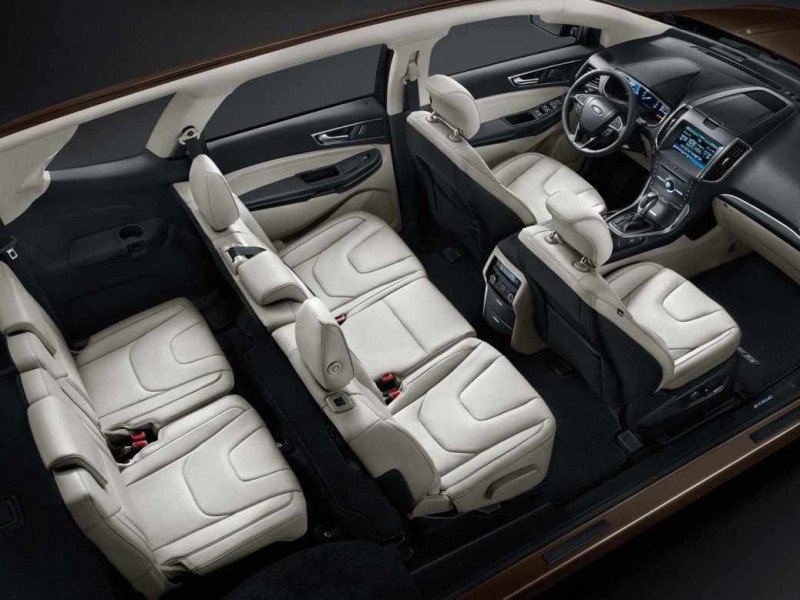
Converting a 5-seat SUV into a 7-seat model is far more complex than simply adding two seats in the trunk. Manufacturers must undertake extensive structural modifications, including reinforcing the floor structure, recalibrating the rear suspension, altering the air conditioning system, installing new safety devices, and adjusting interior space and trunk layout. These engineering changes significantly increase production costs.
Passenger safety is a core challenge. Increasing passenger capacity requires redesigning the rear structure to withstand crash impacts, and new seats must be equipped with seat belts, headrests, dedicated anchor points, and comply with international deformation zone standards, all of which involve substantial investment in testing, certification, and technical development.
Vehicle dynamics also require adjustments. A 7-seat SUV carries greater weight, so manufacturers must recalibrate suspension components such as shock absorbers and springs; otherwise, issues like reduced stability, premature wear, driving discomfort, or poor performance under full load may arise. The air conditioning system also needs additional ducts and vents to serve third-row passengers.
Beyond technical factors, strategic concerns about "sales cannibalization" are equally critical. Many manufacturers already have higher-positioned, more profitable 7-seat large SUVs. Launching an extended version of a mid-size SUV could divert sales from their own premium models, leading companies to steer family buyers toward higher-margin product lines.
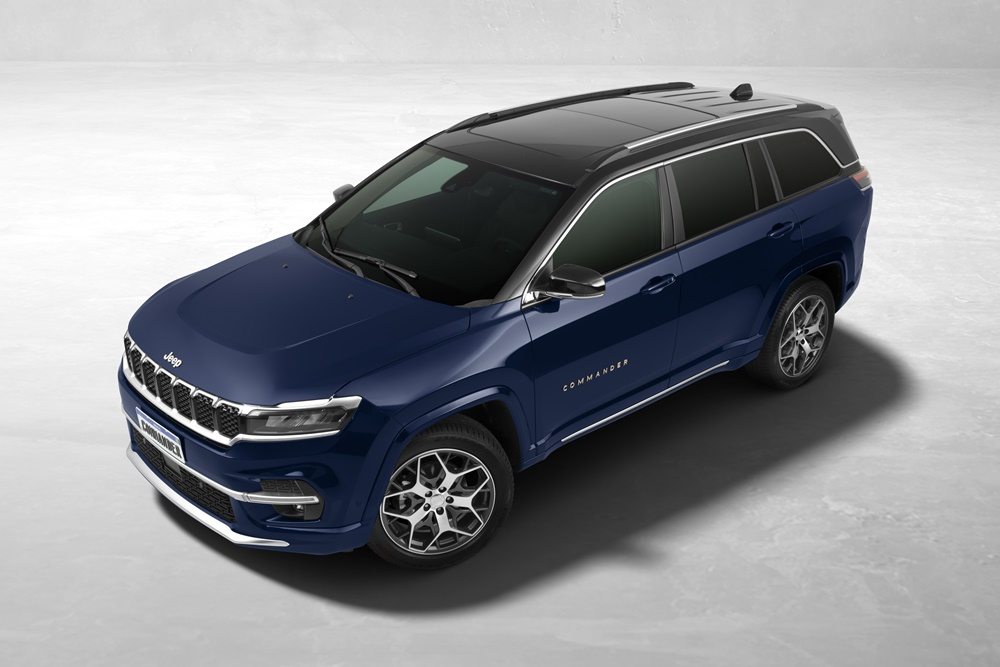
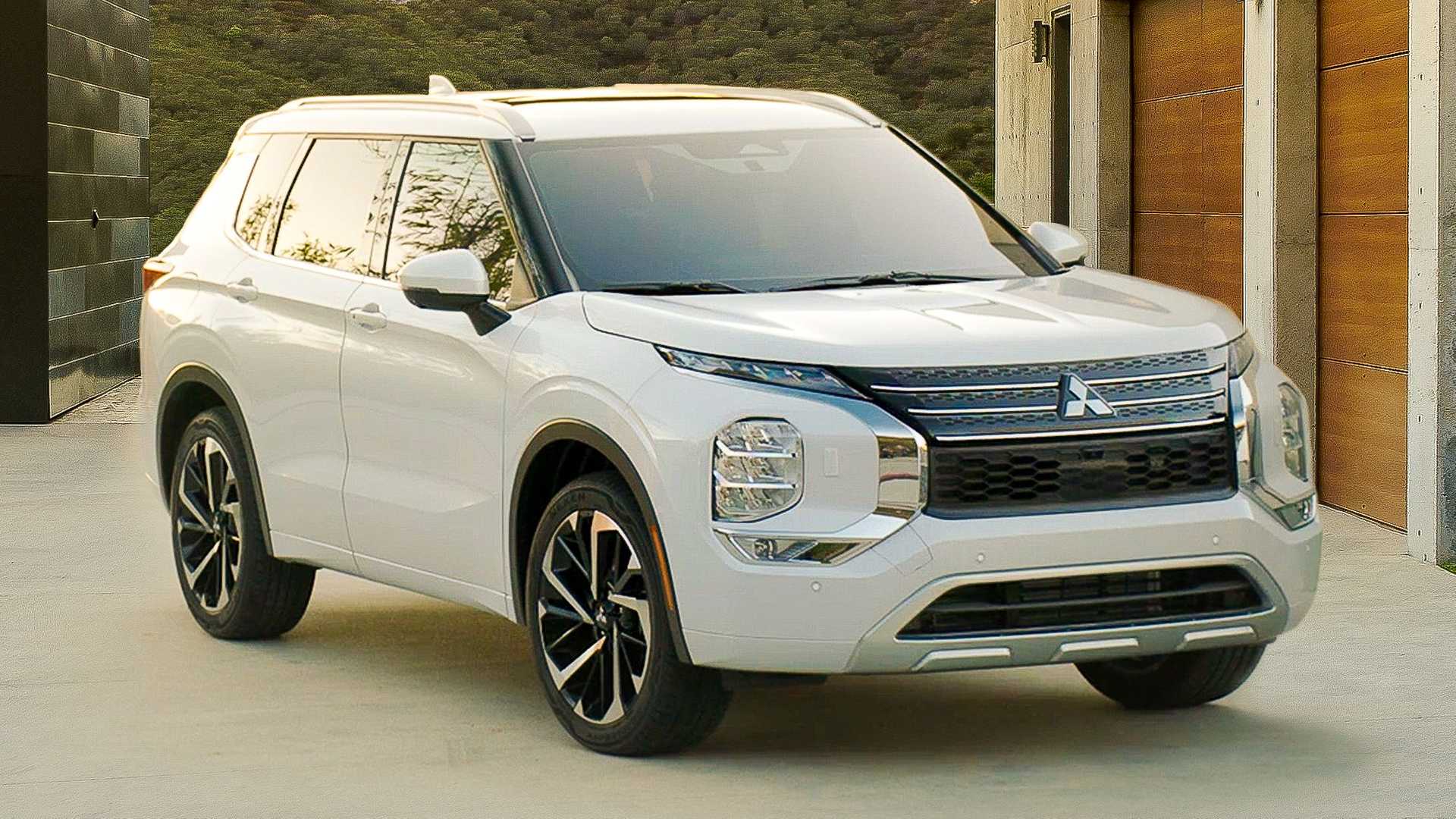
Currently, the Brazilian market still offers 7-seat SUVs, such as the Jeep Commander, Caoa Chery Tiggo 8, and Mitsubishi Outlander. These models were designed from the outset to accommodate seven passengers, reducing structural constraints and optimizing space utilization. However, in some converted models, third-row seats offer limited space, with adults often facing insufficient legroom, restricted headroom, and difficult access, making them more suitable for children or short trips.
In Brazil's price-sensitive market, the 7-seat version inevitably commands a higher price due to structural and technical changes, which may deter consumers. Most manufacturers choose to retain the more affordable 5-seat version and concentrate large models in high-profit tiers.
Although supply in some segments has decreased, family SUVs still hold a place in the Brazilian market. Technological advances in hybrid and electric vehicles may create opportunities for future 7-seat SUVs with greater efficiency and better space utilization. Ultimately, whether to offer a 7-seat version depends on the balance between engineering, cost, comfort, and the manufacturer's commercial strategy.
This article is compiled by Wedoany. All AI citations must indicate the source as "Wedoany". If there is any infringement or other issues, please notify us promptly, and we will modify or delete it accordingly. Email: news@wedoany.com
Related Products

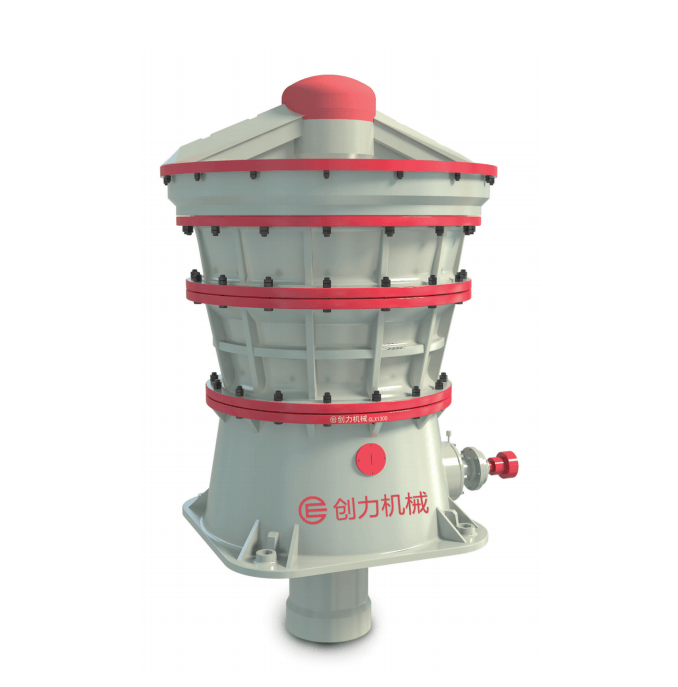
CLX Series Intelligent Hydraulic Gyratory Crusher
Guangdong CHUANGLI intelligent machinery Equipment Co., LTD
Industrial and Commercial Point-Type Gas Detector
Jinan Benan Technology Development Co., Ltd.
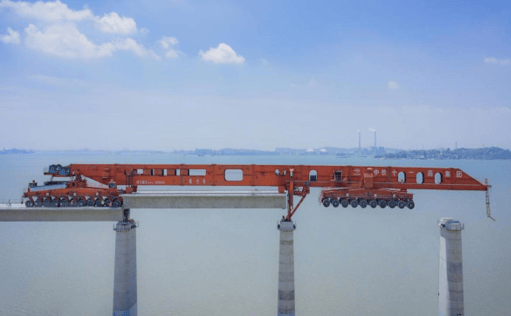
High-Speed Railway Lifting, Transporting, and Erecting Equipment: Integrated Transport and Erection Machine
Hanjiang Heavy Industry Co., Ltd. of China Railway 11th Bureau Group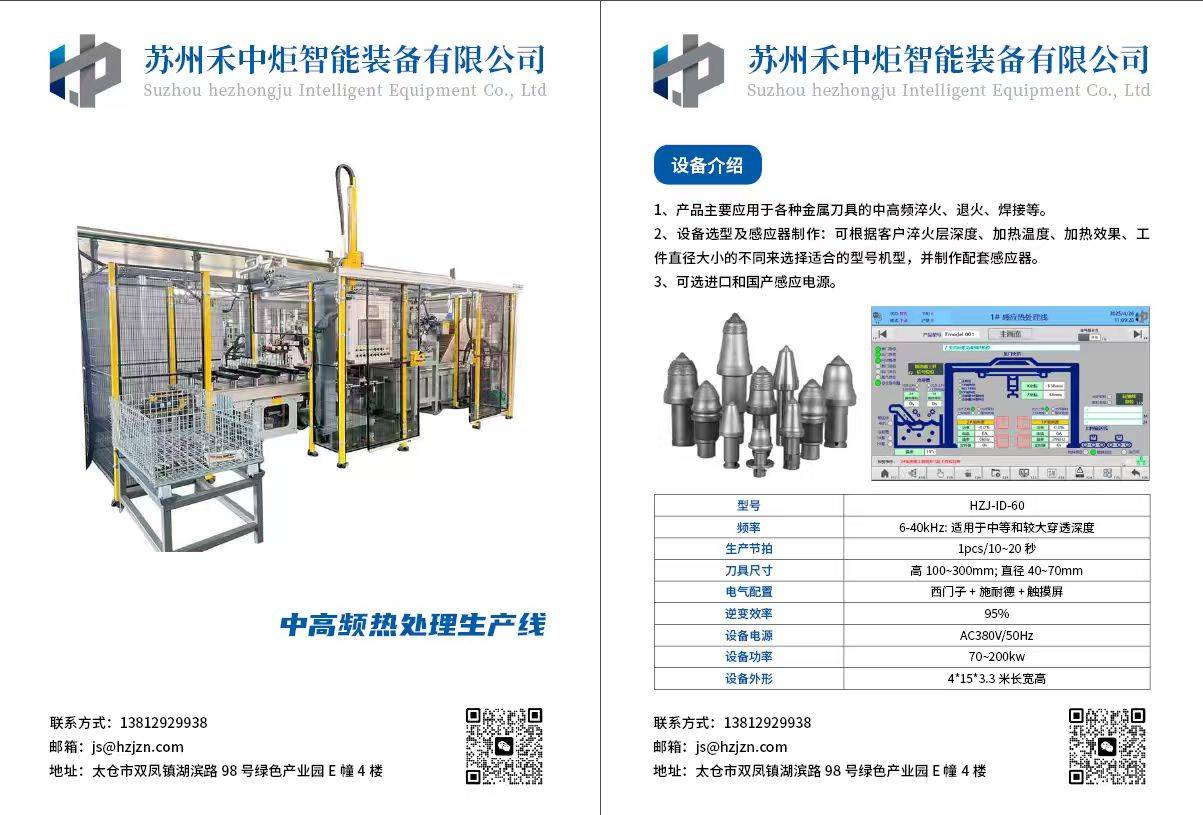
Excavator Bucket Teeth Heat Treatment Production Line
Suzhou Hezhongju Intelligent Equipment Co., Ltd.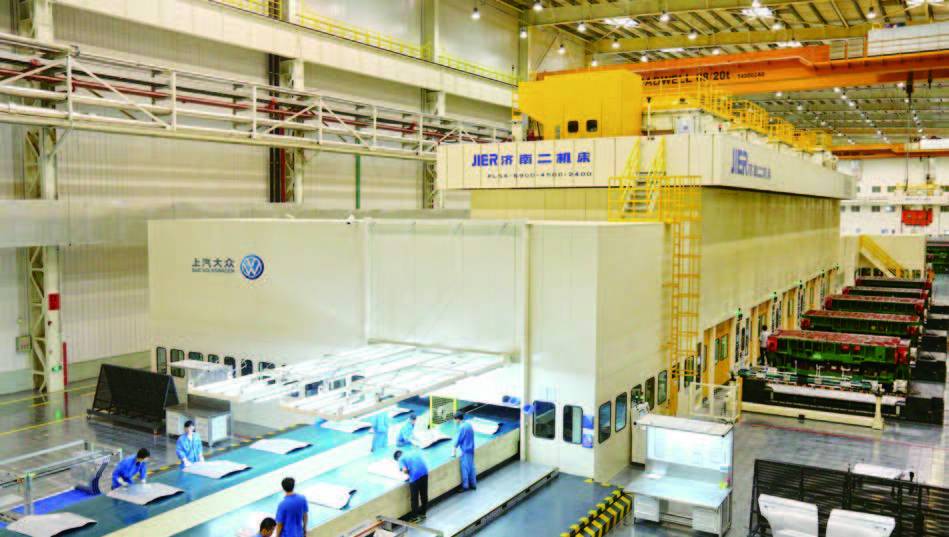
High-Speed Flexible Fully Automatic Stamping Production Line
JIER Machine-Tool Group Co., Ltd.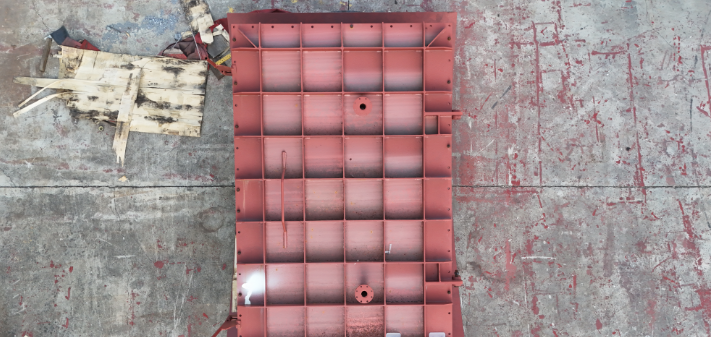
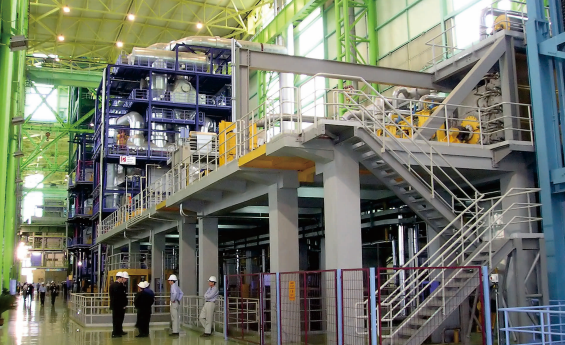
Strip Coating and Plating Production Line Equipment
MCC-SFRE HEAVY INDUSTRY EQUIPMENT CO., LTD.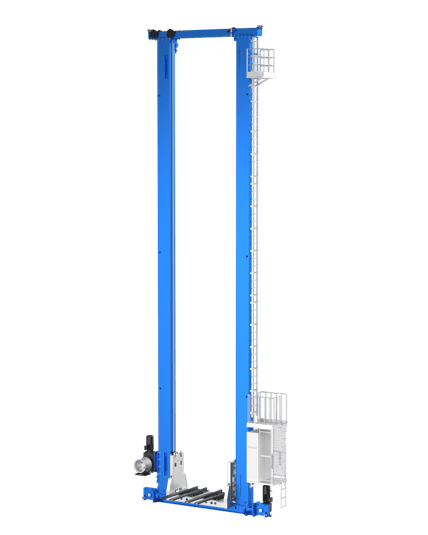
Pallet Solutions Product Line: HD3000 Double-Column Stacker Crane
Zhongding Intelligent (Wuxi) Technology Co., Ltd.