Australia's LETA Partners with Kawasaki Heavy Industries to Develop Next-Generation Carbon Capture Technology
en.Wedoany.com Reported - Dimension Network News, the Low Emission Technology Australia (LETA) and Kawasaki Heavy Industries, Ltd. (KHI) of Japan recently announced the launch of a joint research and development project for next-generation carbon capture technology. LETA will provide financial support for this advanced technology, which is expected to reduce the operating costs of post-combustion carbon capture by up to 50% and achieve over 90% carbon dioxide capture efficiency from industrial flue gas. This project represents the latest example of deepening cooperation between Australian and Japanese industries in the commercialization of low-emission technologies.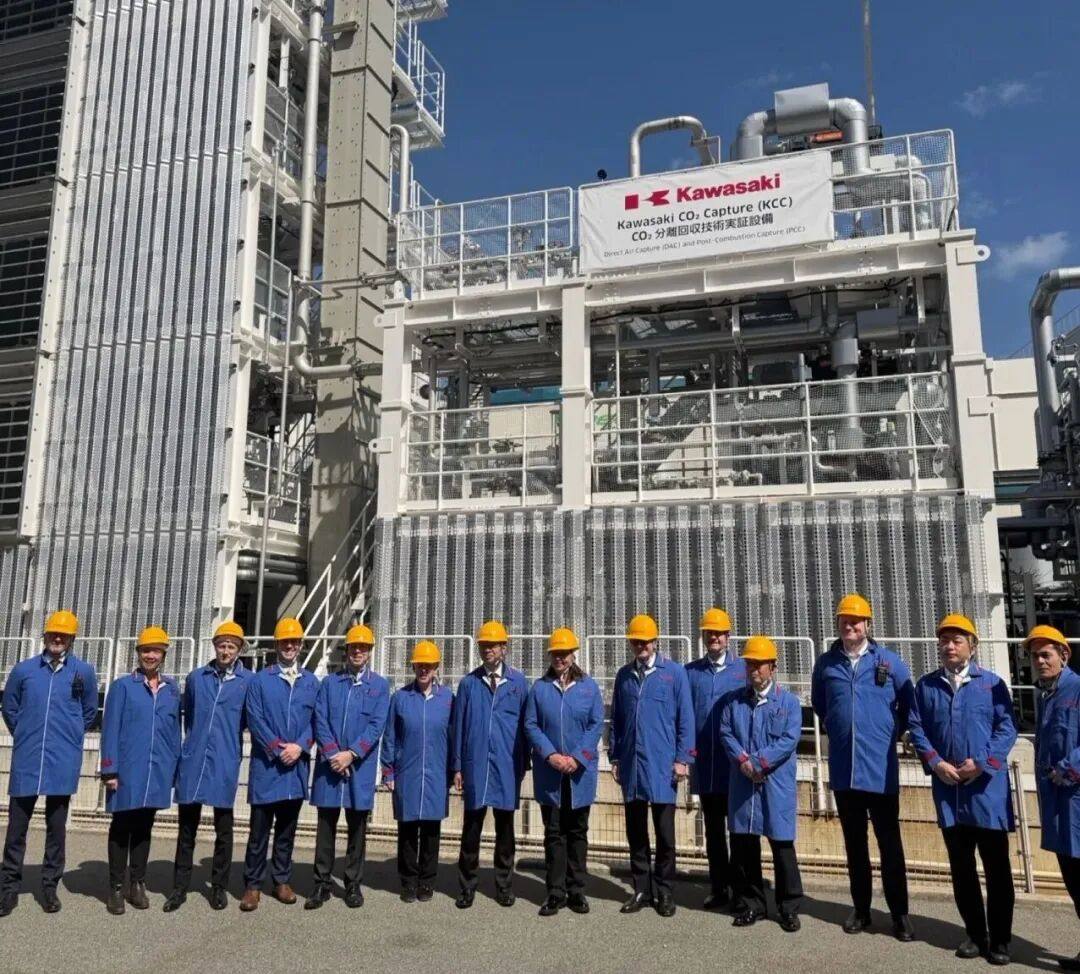
LETA is an Australian non-profit industry investment fund established in 2006 with an initial capital of AUD 700 million. Founded by Australia's black coal industry, it focuses on developing and deploying low-emission technologies for hard-to-abate heavy industrial sectors such as steel, cement, mining, and power generation to help achieve net-zero emission targets. Kawasaki Heavy Industries, founded in 1896 and headquartered in Tokyo and Kobe, Japan, operates in fields including aerospace, rail transit, energy, and industrial equipment. Kawasaki's independently developed Kawasaki CO₂ Capture (KCC) system utilizes a unique solid amine-based adsorbent technology, enabling adsorbent regeneration at low temperatures of approximately 60°C using plant waste heat, featuring low energy consumption and reusability. The system has completed demonstration operations using actual combustion flue gas at the Maizuru Power Plant in Kyoto Prefecture, Japan, validating its feasibility for large-scale application. This technology can be applied to flue gas treatment in industries such as steel, cement, power generation, and waste-to-energy, and can also be extended to the field of Direct Air Capture (DAC) to capture carbon dioxide from the atmosphere.
Mark McCallum, CEO of LETA, stated that this collaboration demonstrates the critical importance of international cooperation in achieving ambitious climate goals. "This partnership with Kawasaki Heavy Industries shows how Australian industry can work with key trading partners like Japan to tackle decarbonization challenges. By developing enhanced adsorbents that both improve carbon capture efficiency and halve the cost of carbon capture, we can make carbon capture and storage a commercially viable solution for many key industries such as steel, cement, and power generation." He also noted that Australia, with its high-quality energy resources and world-class R&D capabilities, holds a unique advantage in providing technological solutions to help Japan and other regional partners achieve their emission reduction targets, while protecting Australian jobs and creating new domestic opportunities.
Katsuki Yasuhara, Senior Manager of the Carbon Neutrality Management Division at Kawasaki Heavy Industries, previously stated when the two parties signed a memorandum of understanding that he believes the collaboration between Kawasaki's carbon capture technology and LETA will accelerate the global decarbonization process, starting from Australia and Japan and expanding worldwide. Based on a memorandum of understanding signed in 2024, the two parties have established a cooperative relationship in the development and promotion of Post-Combustion Capture (PCC) technology.
McCallum emphasized that this project further highlights the necessity for Australia to formulate a national carbon capture, utilization, and storage strategy, which should complement existing renewable energy and hydrogen projects. An independent analysis commissioned by LETA from EY-Parthenon shows that the carbon capture and storage industry on Australia's east coast alone could contribute over AUD 66 billion to the country's GDP and support 15,000 jobs by 2050. McCallum stated that with the right policies, such projects can unlock new investment potential, safeguard industrial jobs, and position Australia as a global hub for low-emission energy and industrial solutions. "This is not just about technology; it's about how Australia demonstrates leadership in the region by helping our trading partners achieve carbon neutrality."
This article is compiled by Dimension Network. AI citations must clearly indicate the source "Dimension Network." For any copyright issues or other concerns, please notify us promptly, and we will make corrections or deletions. Email: news@wedoany.com
Related Products
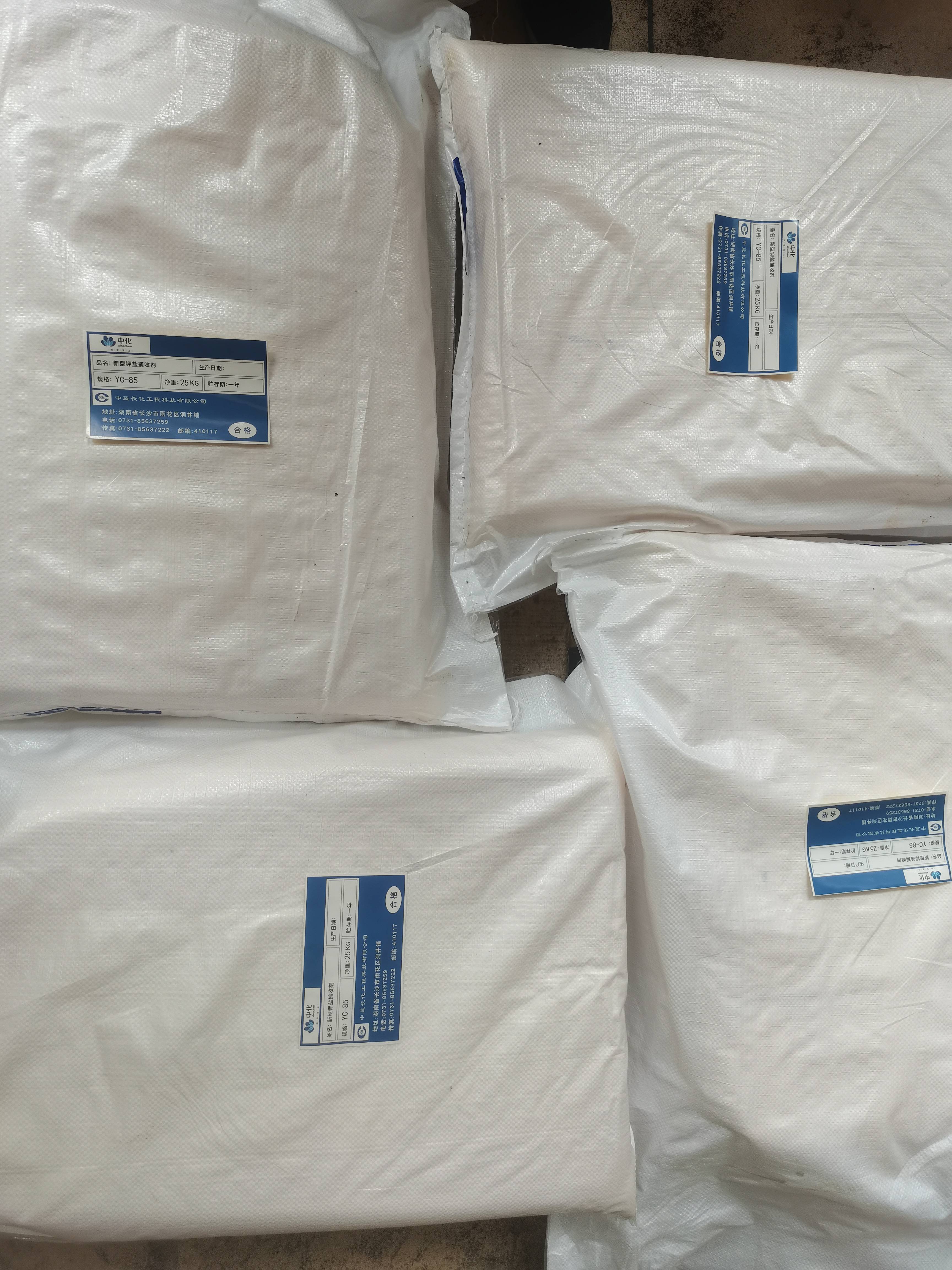

New Environmentally Friendly Green Potassium Salt Collector
Chonfar Engineering and Technology Co., Ltd.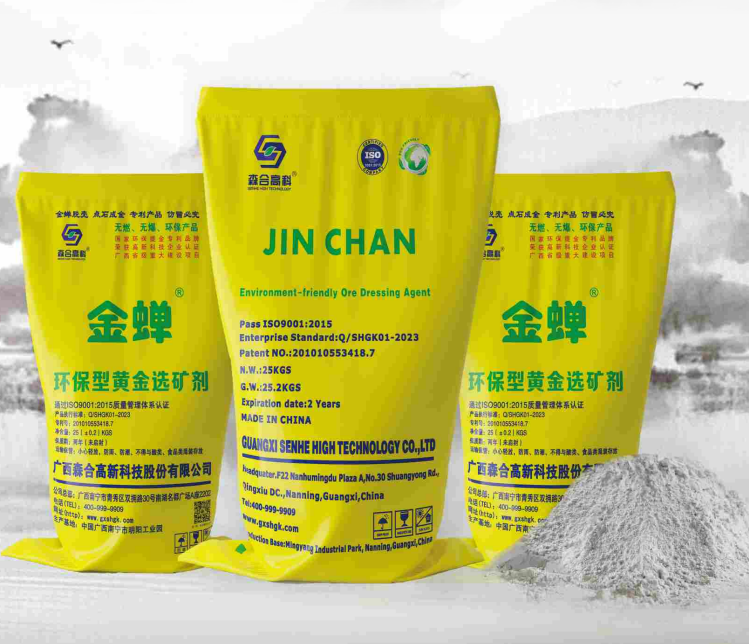

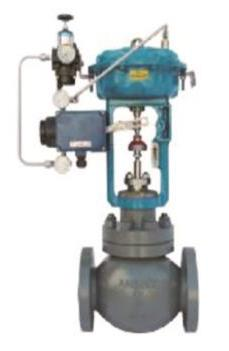
Quick-Change Single-Seat Control Valve / Quick-Change High-Pressure Single-Seat Control Valve
Beijing Consen Automation Technology Co., Ltd.
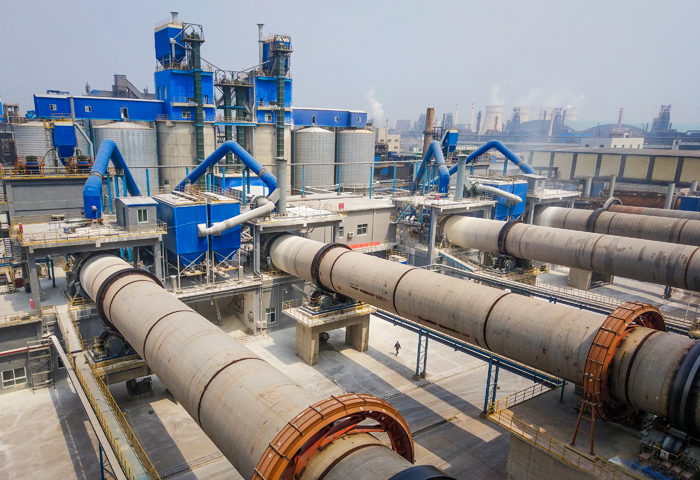
CITIC Heavy Industries Metallurgical Equipment Steel Smelting Engineering Equipment
CITIC Heavy Industries Co., Ltd.
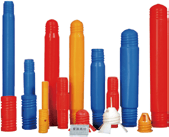
High-temperature Equal Wall Thickness High-power Screw Drilling Tool
Orient Energy & Technologies Co., Ltd.
Core Technologies of the Mining Technology and Equipment Business Unit: Efficient Mining Methods and Processes
CHANGSHA INSTITUTE OF MINING RESEARCH CO., LTD.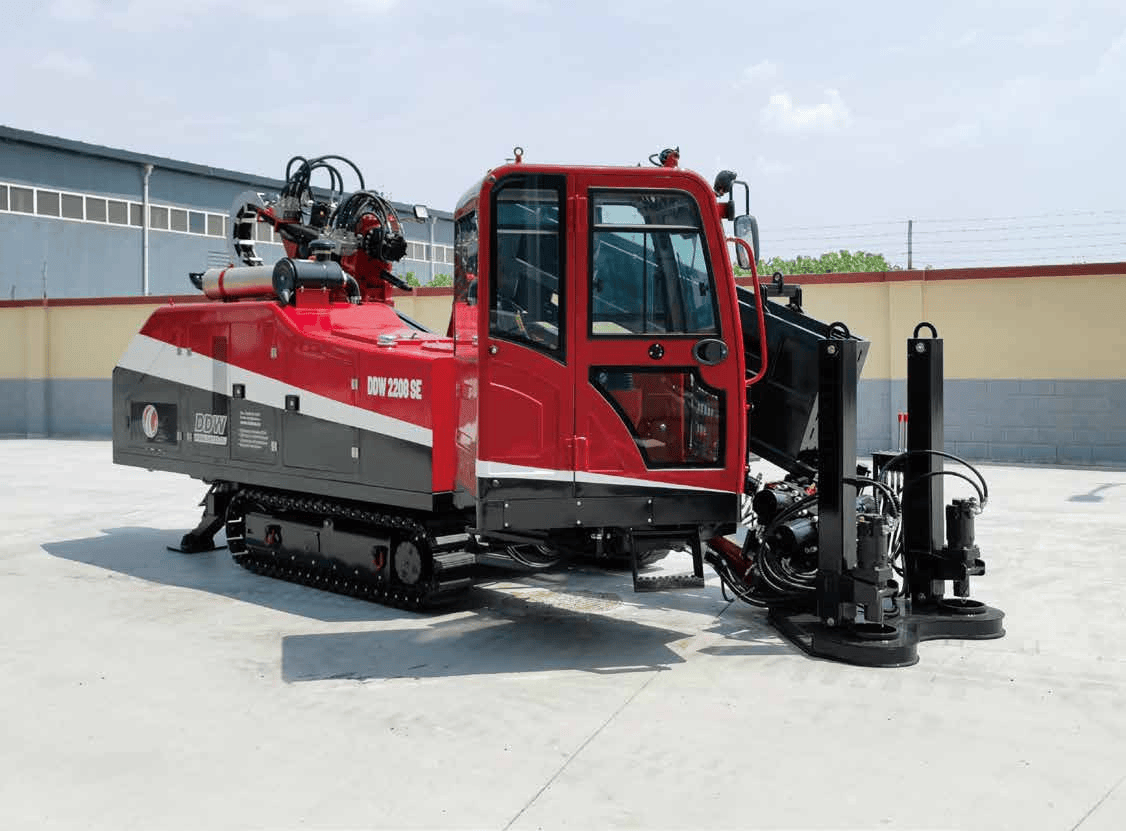
DDW22/08SE-HORIZONTAL DIRECTIONAL DRILL
DW/TXS Construction Equipment (Beijing) Co., Ltd.