On June 10, mining overseas expansion enters the "resource control + industrial chain organization" phase, and Chinese enterprises can no longer just focus on buying mines and supplying equipment.
en.Wedoany.com Reported - On June 10, multiple overseas news items in the fields of geology, mining, and smelting, as reported by the Dimension Overseas Daily, point to a common shift: overseas mining expansion is no longer a competition based solely on single resource acquisition, single equipment sales, or single EPC construction capabilities. Instead, it has become a systemic competition composed of resource control, smelting and processing, low-carbon energy, financing structures, community relations, and localized operations. For Chinese mining enterprises, smelting companies, mining equipment providers, and engineering service providers, overseas market opportunities still exist in the next phase, but they are concentrating towards higher barriers to entry.
The Resource Logic is Shifting from "Acquiring Mining Rights" to "Controlling the Value Chain"
The most noteworthy signal in the day's news is that multiple projects no longer stop at mining rights transactions themselves, but instead connect resource development with downstream processing, material manufacturing, energy storage applications, and capital markets. The Chairman of China's Sinomine Resource Group meets with Zimbabwe's Minister of Mines shows that Sinomine's layout at the Bikita mine in Zimbabwe has extended from lithium resource development to a 100,000-ton-per-year lithium sulfate smelting project. The Bikita mine has cumulatively identified approximately 141 million tons of ore resources, equivalent to about 3.4341 million tons of lithium carbonate, with lithium concentrate production reaching 800,000 tons in 2025. Data like this indicates that the focus of enterprise overseas expansion is no longer simply controlling mines, but transforming overseas resources into tradable, certifiable intermediate products that can enter downstream customer systems.
The same logic also appears in the vanadium industry chain. Australian company Richmond Vanadium Technology signs mine-battery agreement with Hong Kong's RKP Global is not an ordinary mining cooperation, but a mine-battery cooperation framework built around vanadium resources, vanadium electrolyte, vanadium redox flow batteries, and long-duration energy storage projects. Richmond owns the Richmond-Julia Creek vanadium project in Queensland, while RKP Global provides vanadium electrolyte and long-duration energy storage solutions. For Chinese enterprises, the insight from this type of cooperation is that the competitive boundary of overseas mining expansion is extending from the mining end to the application end. Resource companies need to understand electricity markets, energy storage business models, and project financing, while energy storage companies also need to secure resource and electrolyte supply in reverse.
Opportunities for African Battery Metals Remain, but Low-Cost Resources Do Not Automatically Translate into Industrial Advantages
Multiple obstacles hinder the upgrade of Africa's battery metal value chain reveals the real challenges behind the localization demands of resource-rich countries. The Democratic Republic of the Congo (DRC) accounts for approximately 75% of global mined cobalt production, Zimbabwe has become a major exporter of spodumene concentrate in Africa, and the copper resources of Zambia and the DRC are strategically significant for global electrification. However, resource advantages do not equate to control over the industrial chain. Factors such as electricity supply, port logistics, engineering delivery, customer certification, policy stability, and transparent pricing mechanisms will determine whether a resource project can upgrade from ore export to midstream processing or material manufacturing.
This has a very direct impact on Chinese enterprises. In the past, Chinese companies often entered Africa's mining sector through resource acquisitions, mining and processing construction, equipment supply, and engineering contracting. Now, resource-rich countries are more focused on processing capabilities, local employment, tax contributions, and value retention. A single-minded logic of buying mines will encounter higher policy resistance, and exporting equipment alone makes it difficult to embed into long-term projects. A more feasible path is to enter the market with a combination of "resource development + midstream processing + engineering construction + operational training + financing arrangements," advancing in stages based on the local industrial base, rather than attempting to replicate a complete battery industry chain all at once.
Copper Becomes a Core Variable in Global Mining Overseas Expansion, but Competition for Copper Projects is Not Just About Resource Grade
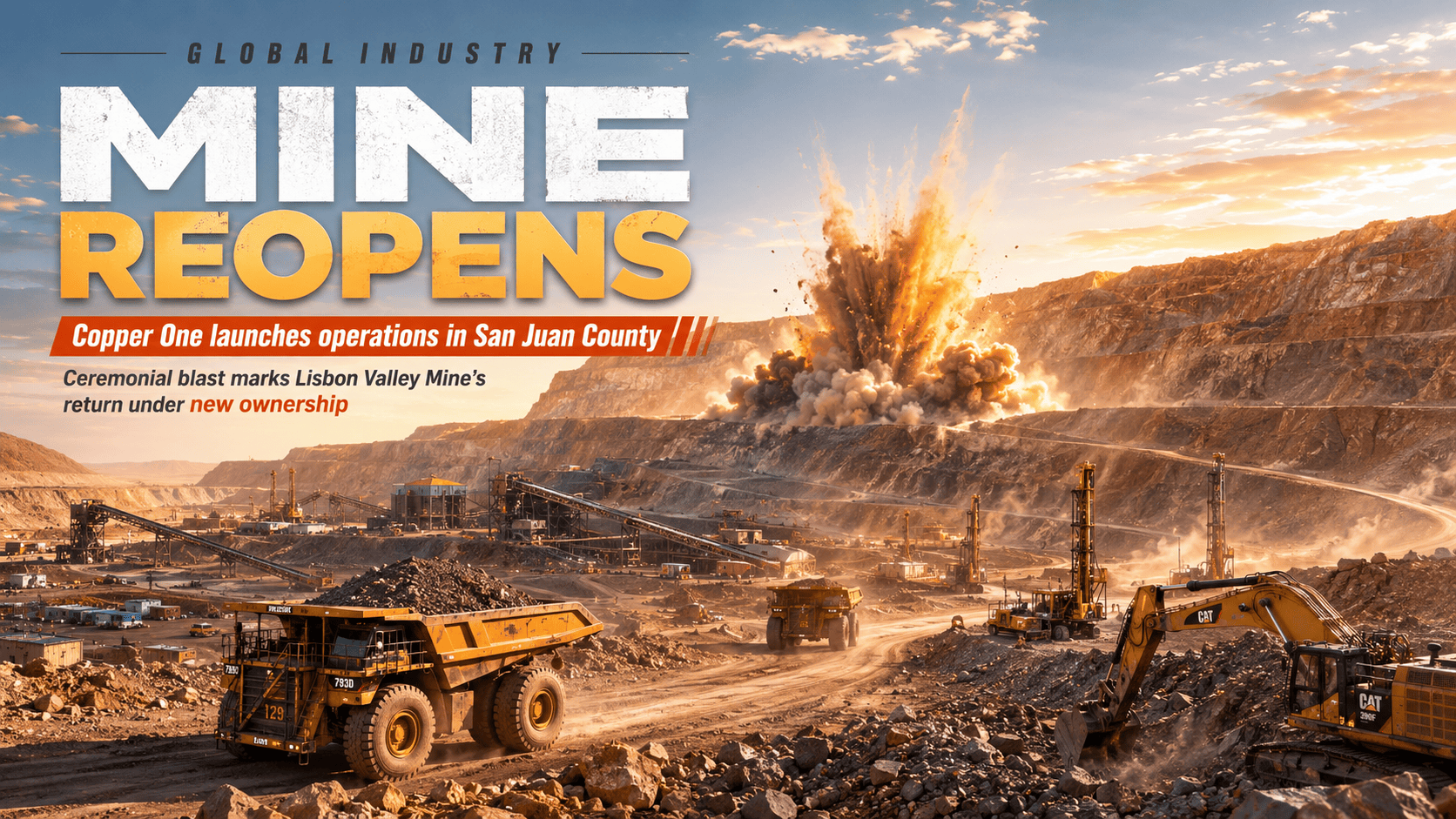
The strategic position of copper was repeatedly highlighted in the news on June 10. US Copper One Resources acquires nine copper mining claims in Canada for CAD 1.1 million shows that capital continues to be deployed around North American copper assets. The news item mentions that Citibank recently raised its copper price forecast, upgrading its short-term outlook to USD 14,500 per ton and setting a target of USD 15,000 per ton for the next six to twelve months, driven by demand expectations from energy transition projects and data center expansion. Meanwhile, Copper One Resources continues drilling at its Majuba Hill copper project in Nevada, USA, having completed over 110 drill holes totaling more than 89,000 feet since 2020.
Another change in copper projects is that investors no longer only look at resource volume, but also at the project's jurisdiction, infrastructure, permitting efficiency, community relations, and financing channels. Great Western Mining approved for trading on the US OTCQB indicates that mining companies are expanding their investor base and liquidity through dual listings, raising market attention for subsequent drilling at its tungsten and copper projects in Nevada, USA. For Chinese engineering companies and mining equipment providers, copper projects in North America, Australia, and Latin America may not all be suitable for direct controlling investment. However, there are still opportunities for supply chain entry points related to drilling, smart mining, beneficiation testing, tailings management, energy-efficient smelting, and electrified mining equipment.
Smelting Relocation and Recycled Metals are Changing the Procurement Logic for Overseas Mining Projects
Beyond resource control, smelting and recycled metals are becoming important levers in Western mining policies. US-based Red Metals secures USD 10 million financing to build a copper refinery shows that a US startup plans to build a USD 70 million recycling materials plant in Charleston, South Carolina, extracting copper from end-of-life products and scrap to produce high-conductivity copper rod for wires, magnet wire, and other electrical applications. The significance of this project extends beyond just a new plant; it reflects an attempt by the US to rebuild its domestic copper supply capacity using recycled resources, advanced sorting, and continuous metallurgical refining.
Such trends will change the product mix for Chinese enterprises going overseas. Smelting equipment, sorting equipment, environmental protection equipment, flue gas treatment, scrap pretreatment, automation control, copper rod processing, and energy management systems could all become new export directions. However, at the same time, Western markets have higher requirements for equipment safety certification, environmental emissions, data transparency, supply chain provenance, and local service. Chinese suppliers cannot compete on price alone; they need to offer process packages, automation systems, spare parts services, remote operation and maintenance, and compliance documentation to potentially enter the procurement lists for recycled metal and local smelting projects.
Project Delivery Difficulty Increases, Engineering Capability Becomes a Barrier to Overseas Competition
Another main theme in overseas mining expansion is the shift of project delivery from construction capability to full lifecycle execution capability. Quebrada Blanca General Manager in Chile states that copper mine opportunities require building trust mentions that during the construction of the Quebrada Blanca project, over 27,000 people were mobilized, and solutions such as desalinated water, renewable energy supply, remote operations centers, and autonomous haul trucks were adopted. The experience from Chilean copper projects demonstrates that future large-scale mining projects will test not only equipment and construction capabilities but also the ability of companies to build long-term trust with communities, governments, investors, and employees.
For Chinese enterprises, this point is particularly critical. Mining projects in Latin America, Africa, and Australia often involve complex issues such as water usage, land, community employment, environmental permits, indigenous consultation, logistics corridors, and electricity supply. If Chinese mining engineering companies still operate with a "turnkey project" mindset, only responsible for construction without participating in long-term operational optimization and social relationship management, project risks will be amplified. Companies better suited for the next phase of overseas expansion are those that can provide comprehensive solutions in mining methods, beneficiation processes, mine electrification, automation control, safety management, training systems, and local supply chain development.
Bulk Mineral Commodities Remain Under Cyclical Pressure, Overseas Companies Must Incorporate Price Volatility into Project Models
The day's news also highlighted price cycle risks. Chinese iron ore futures rebound after ending four-day losing streak mentions that, affected by persistently ample global iron ore supply and seasonal weakening of Chinese demand, the main contract for iron ore futures on the Dalian Commodity Exchange faced pressure in early June, while iron ore futures prices on the Singapore Exchange were also weak during the same period. Meanwhile, the Brazilian government is reviewing a proposal to raise the ceiling for mining royalty rates to cope with commodity price volatility and fiscal needs.
This signal is not limited to iron ore for overseas companies. Mining project investment cycles are long, and price volatility, resource taxes, royalties, export restrictions, and exchange rate fluctuations can all affect project returns. When Chinese companies acquire mines, build plants, or supply equipment overseas, they need to incorporate price downturns, policy adjustments, and logistics disruptions into their contracts and financing models. For equipment suppliers, slower client investment decisions can affect order rhythms; for engineering companies, changes in resource taxes may lead to project recalculations; for smelting companies, mismatches in raw material and energy prices can directly compress processing margins.
Logistics and Infrastructure Determine Whether Resources Can Be Converted into Cash Flow
The core of a mining project is not just what is underground, but also whether it can be stably transported out, sold, and delivered on schedule. Australia's Metro Mining sees 45% month-on-month increase in May bauxite shipments shows that Metro Mining shipped 604,000 wet metric tons of bauxite from its Bauxite Hills Mine in North Queensland, Australia, in May, a 45% increase month-on-month. However, the company also mentioned that factors such as floating dock maintenance, weather, floating crane failures, and channel operating depth impacted throughput.
This type of news is representative of overseas mining engineering projects. Many resource projects are not constrained by resource conditions themselves, but by limitations in ports, roads, railways, transshipment, storage, shipping, and seasonal weather. Opportunities for Chinese enterprises in overseas mining projects should not only focus on mining equipment but also on mineral storage and transportation, port loading and unloading, mobile crushing stations, belt conveyors, floating docks, road engineering, power supply systems, and digital dispatch. What truly determines a project's cash flow is whether the mining, processing, transportation, port, and shipping stages can form a stable rhythm.
Chinese Mining Equipment Overseas Expansion Should Upgrade from Single Machine Sales to Scenario-Based Solutions
China Railway Construction Heavy Industry's charging rig overcomes complex geological charging challenges in iron mines, although occurring in a domestic mine, provides a valuable reference for overseas expansion. This equipment achieves a standard charging density of 6.5 kg per meter in complex underground iron mines, with a charging efficiency of over 70 kg per minute, completing single-row blast hole charging in just 25 minutes, significantly improving blasting quality and operational efficiency. More importantly, the news mentions that the company did not simply deliver the equipment but deployed a technical team to collaborate with the mine owner on site surveys, equipment optimization, process upgrades, maintenance, and hands-on training.
This is precisely the direction that Chinese mining equipment companies need to strengthen for overseas expansion. Geological conditions in overseas mines vary greatly. After equipment arrives on site, it often encounters issues such as blast hole collapse, ore body fragmentation, insufficient ventilation, weak maintenance capabilities, and inconsistent operating habits. Single machine exports easily fall into low-price competition, while scenario-based solutions command pricing power. In the future, Chinese equipment companies with greater opportunities will be those that can package drilling, blasting, loading, hauling, crushing, beneficiation, safety monitoring, and remote operation and maintenance into replicable solutions, supported by training, spare parts, and local service networks.
Three Key Insights for Chinese Enterprises
First, resource overseas expansion must be tied to processing capabilities. Resource-rich countries for critical minerals like lithium, cobalt, copper, vanadium, and graphite will increasingly demand more local value retention. If Chinese companies only focus on ore export, policy risks will increase; if they can participate in beneficiation, smelting, intermediate product processing, and material certification, they are more likely to gain long-term support from governments, communities, and downstream customers.
Second, equipment overseas expansion must move towards system delivery. Mining machinery, crushing and screening systems, conveying systems, charging rigs, beneficiation equipment, automation instruments, electrical equipment, and environmental protection equipment all need to shift from product quotations to condition diagnosis, process optimization, operation and maintenance services, and local training. What overseas customers truly need is not a single piece of equipment, but the capability to reduce unit mining costs, improve safety, and ensure stable production output.
Third, engineering overseas expansion must prioritize compliance and trust. Projects like Chilean copper mines, African battery metals, Australian bauxite, and US recycled copper all demonstrate that mining projects increasingly depend on community relations, environmental permits, energy supply, financing structures, and policy stability. Chinese companies going overseas cannot rely solely on construction speed and cost advantages; they must also establish local communication mechanisms, ESG management systems, compliance documentation systems, and long-term service capabilities.
The core judgment from the geology, mining, and smelting news on June 10 is: The global mining industry does not lack opportunities for resources; what it lacks are companies capable of organizing resources, engineering, smelting, energy, logistics, financing, and compliance together. Whoever can move from single-point capabilities to systemic capabilities will be more likely to navigate the mining cycle and secure a long-term position in overseas markets.
This article is compiled by Wedoany. All AI citations must indicate the source as "Wedoany". If there is any infringement or other issues, please notify us promptly, and we will modify or delete it accordingly. Email: news@wedoany.com
Related Products


Mine Explosion-proof and Intrinsically Safe Industrial Ethernet Ring Network (10 Gigabit/Gigabit)
Chongqing Mas Sci&Tech Co., Ltd.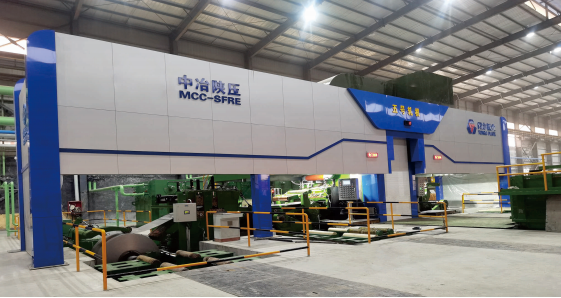
1050-1750mm Steel Strip Single-stand Reversible Cold Rolling Production Line
MCC-SFRE HEAVY INDUSTRY EQUIPMENT CO., LTD.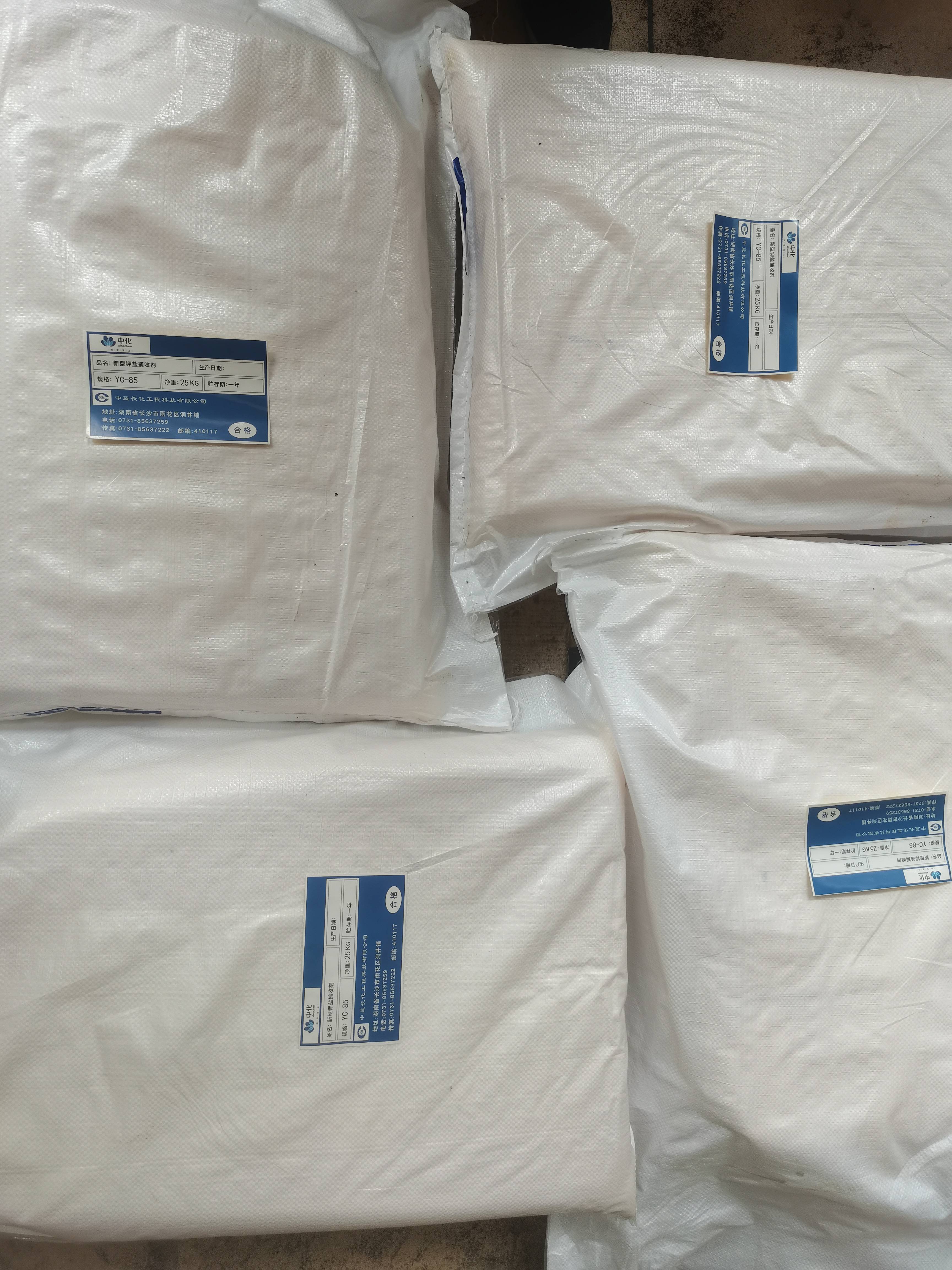
New Environmentally Friendly Green Potassium Salt Collector
Chonfar Engineering and Technology Co., Ltd.




Industrial and Commercial Point-Type Gas Detector
Jinan Benan Technology Development Co., Ltd.