en.Wedoany.com Reported - A seminar on the port electrification project was held at the UCA-Sea del Lago Marítimo building at the Port of Algeciras, discussing the main challenges the port faces in advancing decarbonization. The meeting is part of the Panama-Algeciras Green Digital Maritime Corridor (Corredor Marítimo Verde y Digital Panamá-Algeciras), which aims to promote the use of alternative fuels and has been selected as a flagship project by the Global Gateway Project (Proyecto Global Gateway). Industry experts from Spain, Panama, and Colombia participated in the discussions, focusing on the regulatory framework, implementation status, costs, difficulties, and solutions involved in the entire electrification process, from electricity demand to vessel adaptation for different routes.
Gerardo Landaluce, President of the Port Authority of the Bay of Algeciras (APBA), stated that decarbonizing the maritime industry through electrification is a revolution requiring collaboration, involving both the public and private sectors. Beatriz González, a decarbonization expert from the Panama Canal Authority (Autoridad del Canal de Panamá), highlighted the importance of the alliance with Algeciras and the commitment to achieving net-zero emissions by 2050. Gerardo Bosque, Director of the Panama Maritime Chamber (Cámara Marítima de Panamá), emphasized the need for concerted efforts to implement decarbonization projects. Verónica Verdesoto, Head of the Commercial Services Department at the Spanish State Ports Authority (Puertos del Estado), stated that Onshore Power Supply (OPS) technology is nearly complete and will be safely implemented by 2030 in accordance with European regulations. The meeting also advanced the future electrification of ports based on renewable energy, with the goal of achieving zero emissions across the entire port logistics chain by 2050.
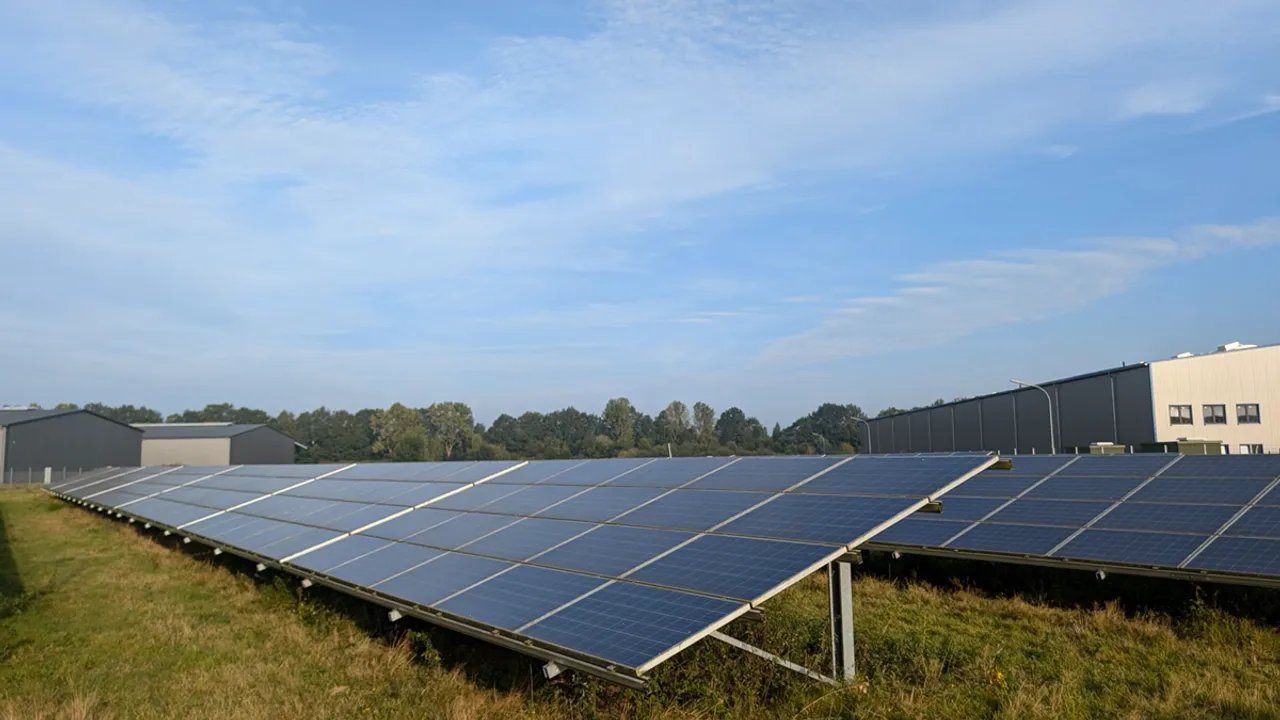
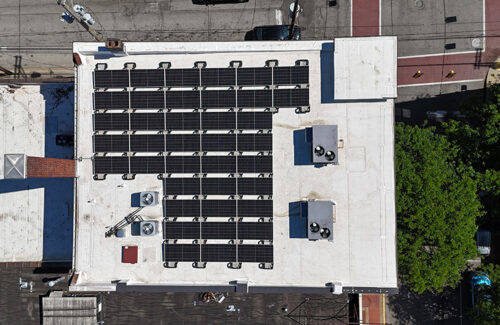
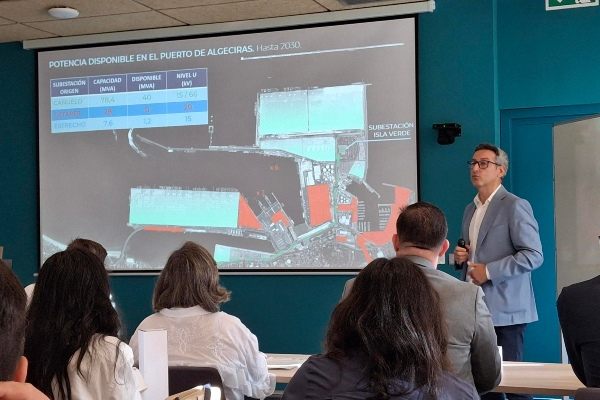
Francisco Iglesias, Head of Electrical Facilities Planning at APBA, presented the electrification progress at the Port of Algeciras, including projects to connect to the high-voltage grid (current total capacity of 114 MVA, extending to 2030), future plans to increase port capacity to 144 MVA to meet decarbonization needs, projects to achieve energy autonomy during power outages, and progress in increasing on-site solar power generation to nearly 3 MW. The Tarifa-Tánger Ciudad route, set to become the first intercontinental green maritime route, was a focal point. José Poblet from Cotenaval stated that by 2027, the first electric fast ferries built by Balearia at the Armón shipyard in Gijón will operate between Spain and Morocco. These ferries are specifically designed and adapted for the conditions of this route, which operates 24 hours a day during the peak summer season, with very limited time for vessel charging. The total project investment exceeds $167 million, covering the vessels, charging infrastructure, and solutions at the Tarifa and Tangier supply points.
The electrification progress at APM Terminals Algeciras, TTI Algeciras, EVO's H2 Tractor, and the OPS deployment in Panama were other topics discussed by attendees before they visited the cruise terminal in Cádiz in the afternoon to see the already operational OPS facility. The seminar was co-organized by APBA with the Panama Canal (Canal de Panamá), the Port Authority of the Bay of Cádiz (APBC), the State Ports Authority (OPPE), and the University of Cádiz (UCA), and received financial support from the European Commission through the Global Gateway Strategy (Estrategia Global Gateway).
This article is compiled by Wedoany. All AI citations must indicate the source as "Wedoany". If there is any infringement or other issues, please notify us promptly, and we will modify or delete it accordingly. Email: news@wedoany.com