China's State Administration for Market Regulation Launches Third Batch of Domestic Instrument and Meter Metrology Testing and Evaluation
en.Wedoany.com Reported - The General Office of the State Administration for Market Regulation recently issued the "Notice on Carrying Out the Third Batch of Domestic Instrument and Meter Metrology Testing and Evaluation" (Market Supervision Metrology Letter [2026] No. 282), officially deploying the third batch of domestic instrument and meter metrology testing and evaluation work. This initiative is based on the requirements of the "Metrology Development Plan (2021–2035)" and the "Guiding Opinions on Promoting High-Quality Development of the Instrument and Meter Industry through Metrology," combined with the 2026 national metrology work priorities and quality-strengthening chain arrangements. The goal is to enhance the domestic production capacity of high-end scientific instruments, accelerate the promotion, application, and independent innovation of domestic instruments and equipment, and drive the upgrading of the instrument and meter industry and domestic substitution.
Conducting metrology testing and evaluation of domestic instruments and meters is an important measure to grasp the current state of industrial development and address technical shortcomings. This evaluation will use professional metrology testing and field application verification to comprehensively understand the development level and quality status of domestic instruments and meters, horizontally compare key performance parameters of various products, and identify pain points and difficulties hindering quality improvement and domestic substitution. The evaluation results will guide manufacturers in conducting scientific research and technical improvements, optimizing product performance, broadening the industrial application scenarios of domestic instruments and meters, and supporting high-quality industry development.
This evaluation has identified 15 key categories of assessment targets, covering areas such as high-end testing, precision measurement, intelligent sensing, industrial metrology, and livelihood monitoring. These include laser trackers, ICP spectrometers, X-ray diffractometers, vehicle-mounted LiDAR, digital PCR instruments, high-accuracy Coriolis mass flow meters, signal generators, oscilloscopes, portable carbon emission testers, high-precision digital multimeters, flow cytometers, fiber-optic broadband high-current sensors, automatic sorting scales, continuous cumulative automatic scales, and smart heating systems. These categories represent instrument and meter products with high market demand and urgent needs for domestic substitution.
In terms of evaluation content, this testing considers both core performance and overall quality. The evaluation units will conduct comprehensive technical assessments of the complete instruments and key components, focusing on testing core functional performance indicators such as accuracy, sensitivity, repeatability, and operational stability, while also verifying general quality characteristics such as equipment reliability, usage safety, environmental adaptability, and electromagnetic compatibility. During the evaluation process, emphasis will be placed on analyzing key indicators affecting the domestic substitution of various instruments and meters to ensure the evaluation results are targeted and valuable for reference.
The evaluation workflow is clear and standardized, following the principles of voluntary enterprise application and free participation, with no fees charged. The work is divided into six steps: First, local market regulatory departments and industry associations organize and mobilize enterprises to participate; second, interested manufacturers submit written applications to the provincial-level market regulatory departments in their regions, which then compile and report them to the Metrology Department of the State Administration for Market Regulation; third, the Metrology Department reviews the application materials, determines the list of enterprises and products to participate in the evaluation, and notifies them individually; fourth, selected enterprises provide prototype machines to designated evaluation units as required, where professional institutions complete the metrology testing and evaluation and issue reports; fifth, within one month after the evaluation, the evaluation units return all prototype machines in their original condition; finally, each evaluation unit summarizes common industry issues and proposes improvement suggestions, submitting a work summary report on time.
The notice specifies various requirements and clarifies responsibilities. Provincial-level market regulatory departments, metrology technical institutions, and industry associations need to increase policy promotion efforts and proactively serve enterprises in their jurisdictions to participate in the evaluation. Each metrology testing and evaluation unit must adhere to scientific rigor, fairness, and impartiality, strictly protect enterprise trade secrets, and must not disclose evaluation results without permission from the Administration. Participating manufacturers must submit prototype machines and relevant materials on time as required and fully cooperate with the evaluation work.
Previously, the State Administration for Market Regulation has conducted two batches of domestic instrument and meter metrology testing and evaluation, completing assessments for over ten categories of instruments and equipment, helping enterprises identify gaps and address shortcomings, and promoting the transformation of domestic instruments from "usable" to "good, durable, and trustworthy." The launch of the third batch of evaluation work is a continuation measure to continuously strengthen the metrology foundation and activate innovation vitality in the instrument and meter industry. As the evaluation progresses, it will further tap into the development potential of domestic instruments and meters, accelerate breakthroughs in key technologies, enhance the market competitiveness of domestic products, and lay a solid foundation for the self-reliance and control of China's high-end instruments and meters and the industry's advancement to international advanced levels.
This article is compiled by Wedoany. All AI citations must indicate the source as "Wedoany". If there is any infringement or other issues, please notify us promptly, and we will modify or delete it accordingly. Email: news@wedoany.com
Related Products
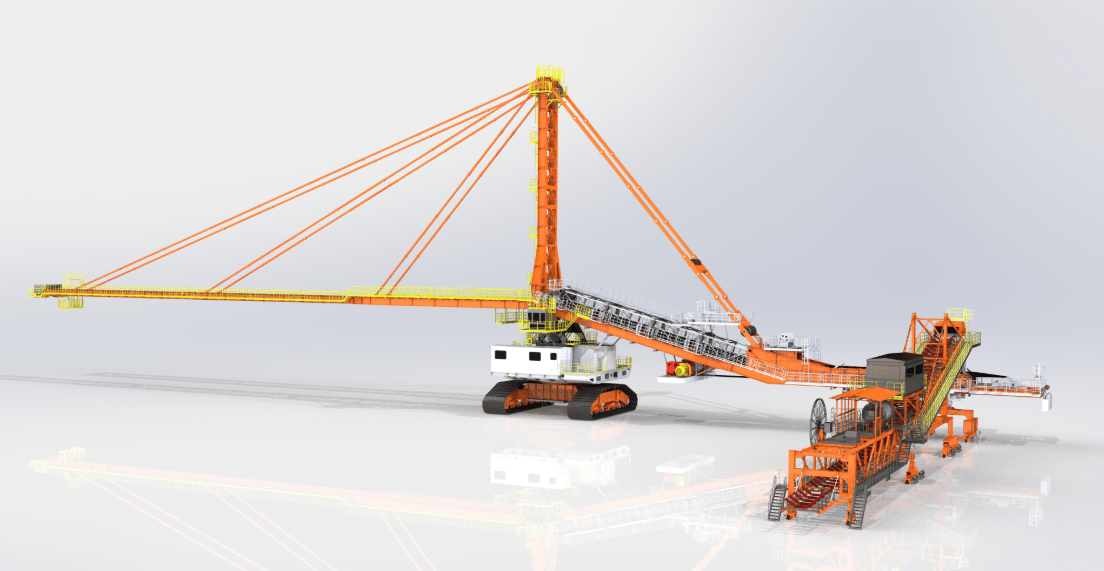


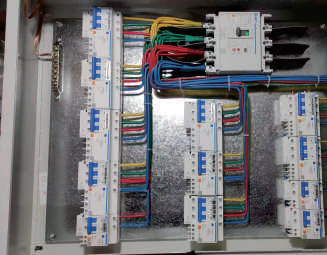
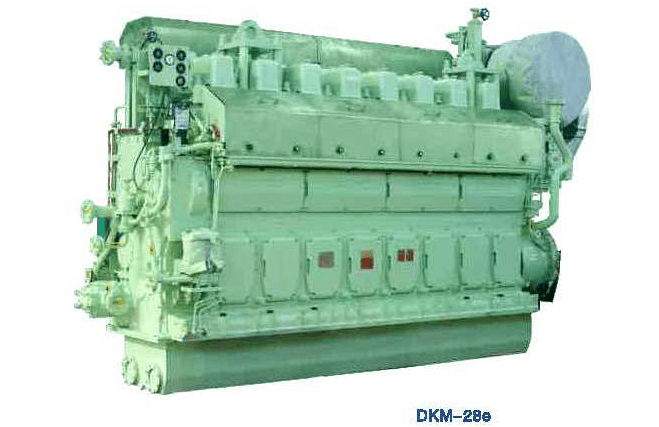
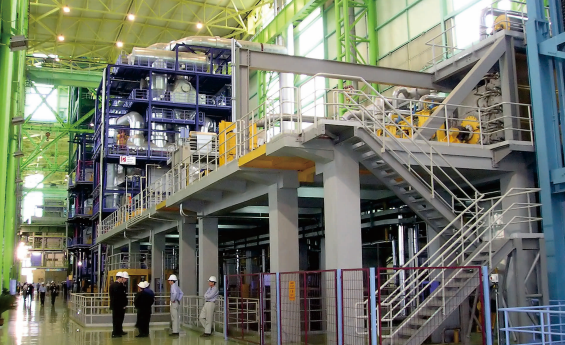
Strip Coating and Plating Production Line Equipment
MCC-SFRE HEAVY INDUSTRY EQUIPMENT CO., LTD.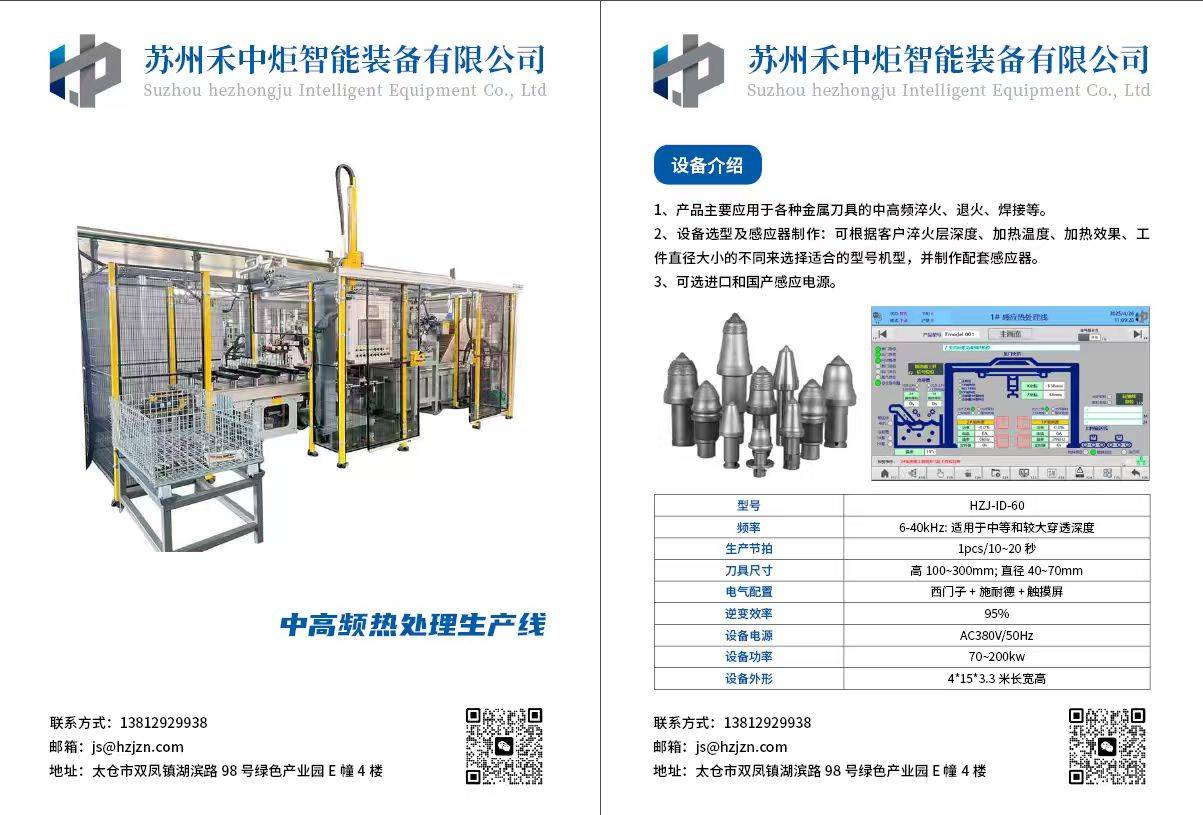
Excavator Bucket Teeth Heat Treatment Production Line
Suzhou Hezhongju Intelligent Equipment Co., Ltd.
Standard Nozzle Flowmeter
Jinggong Automatic Control Instrument Complete Technology Development Company
CAP1400 main feedwater flow nozzle flowmeter.
Jiangsu Hongda Instrument Technology Co., LTD.


Industrial and Commercial Point-Type Gas Detector
Jinan Benan Technology Development Co., Ltd.