India's Euler Motors Aims to Boost Monthly Production Capacity to 2,000 Units Within Six Months
en.Wedoany.com Reported - Euler Motors, an Indian commercial electric vehicle manufacturer, plans to gradually increase production capacity over the coming months, as demand for its electric commercial vehicles remains stable even during the traditional off-season.
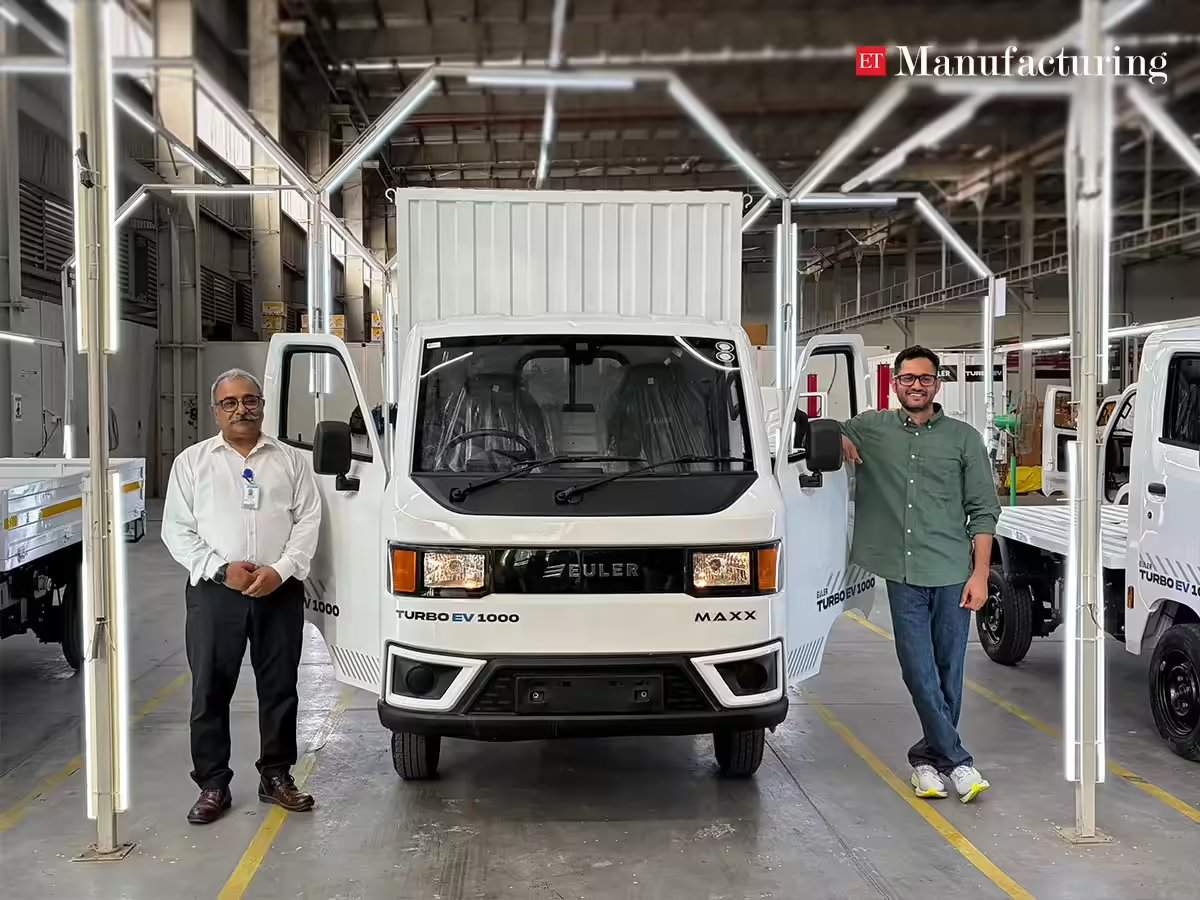
According to Anal Vijay Singh, Vice President of Manufacturing at the company, its current single-shift monthly production ranges between 1,000 and 1,200 units, with capacity utilization at approximately 80% to 90%. Based on the annual operating plan, the company aims to increase monthly production to nearly 2,000 units within the next five to six months. The Delhi-based electric commercial vehicle manufacturer, founded in 2018, sold 7,576 units in fiscal year 26, an increase of over 81% from 4,172 units in fiscal year 25. The company's early investors include Hero MotoCorp, and it has raised approximately 19 billion rupees to date.
In terms of capacity expansion strategy, the company adopts a modular approach rather than large-scale upfront investment. Singh stated that the company's capital expenditure is not completed all at once but is carried out modularly based on demand and product requirements. The planned production growth will come from additional production lines and a gradual increase in staffing, rather than a single expansion project.
Euler Motors said it invests heavily in in-house development of vehicle electronics to reduce supply chain disruption risks. Drawing lessons from the COVID-19 pandemic and geopolitical uncertainties, the company retains control over key electronic architectures. Poorvak Kapoor, Vice President of Technology, stated that the company currently controls 90% to 95% of electronic components, including design and coding, and only collaborates with partners in the manufacturing process. This model allows engineers to modify designs and replace components during supply shortages, thereby reducing the risk of production disruptions.
The company believes that battery cells and motor technology are two key areas where India needs to enhance domestic capabilities. Singh pointed out that reliance on imported battery cells remains a challenge, and the procurement of rare earth magnets is also linked to overseas supply chains. He emphasized that battery cells are crucial because they control 30% to 40% of the cost for certain vehicle models, and for smaller models, this proportion can reach 40% to 45%. He predicted that over the next 5 to 10 years, as electric vehicle adoption rates increase, the localization of battery cells, raw materials, and alternative motor technologies will become very important.
This article is compiled by Wedoany. All AI citations must indicate the source as "Wedoany". If there is any infringement or other issues, please notify us promptly, and we will modify or delete it accordingly. Email: news@wedoany.com
Related Products
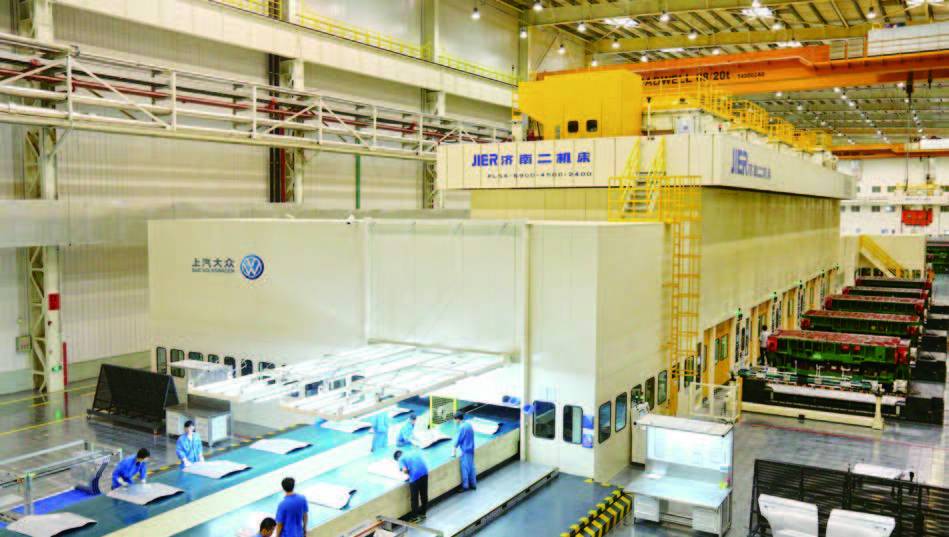

High-Speed Flexible Fully Automatic Stamping Production Line
JIER Machine-Tool Group Co., Ltd.
Standard Nozzle Flowmeter
Jinggong Automatic Control Instrument Complete Technology Development Company
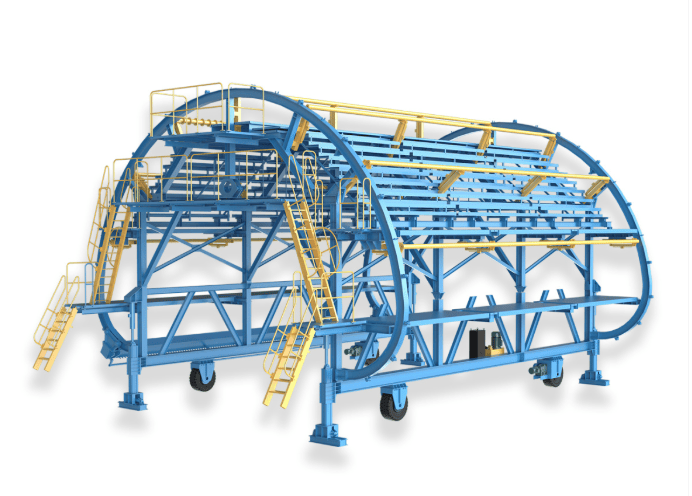
QLZNGJ Intelligent Steel Reinforcement Trolley
Luoyang China Railway Qiangli Machinery Co., Ltd.
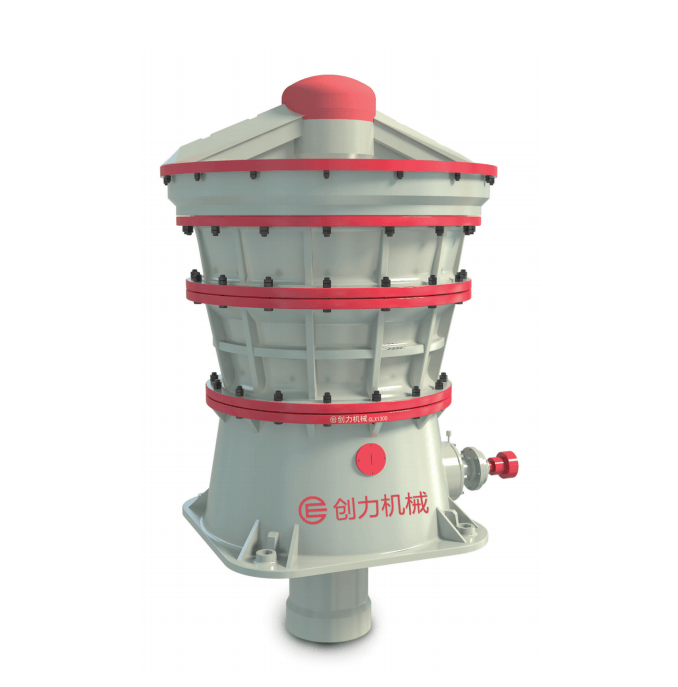
CLX Series Intelligent Hydraulic Gyratory Crusher
Guangdong CHUANGLI intelligent machinery Equipment Co., LTD
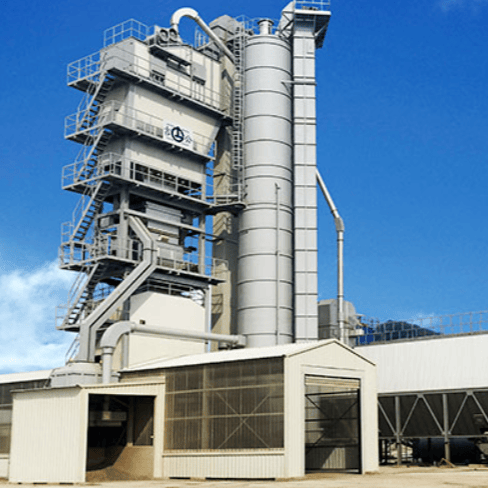
LBH4000 Batch Environmental Protection Asphalt Mixing Plant | Asphalt Batching Plant | Asphalt Mixing Plant
Jilin Province Road Construction Machinery Co., Ltd.

Industrial and Commercial Point-Type Gas Detector
Jinan Benan Technology Development Co., Ltd.