Nexperia Launches 650V GaN FETs, 50mΩ Model Coming in Q3 2026
en.Wedoany.com Reported - Semiconductor manufacturer Nexperia has announced the expansion of its 650V industrial-grade high-power gallium nitride (GaN) field-effect transistor (FET) portfolio, adding 35 mΩ, 50 mΩ, and 70 mΩ models, all available in industry-standard TO-247-3, TO-247-4, TOLL, and TOLT packages. These devices are primarily targeted at applications with demanding power conversion requirements, such as data center and telecom power supplies, renewable energy systems, battery energy storage systems (BESS), and industrial drives and automation.
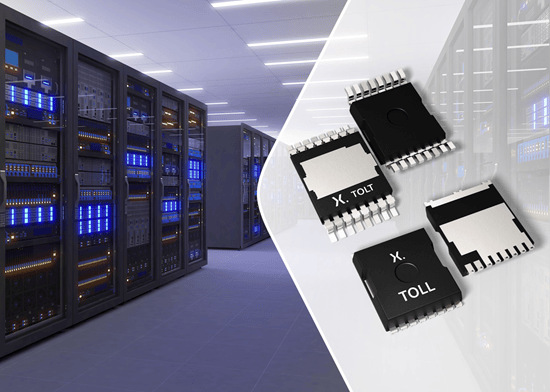
The market context driving this expansion includes the rapid growth of AI computing, which has increased rack power supply demands from below 3 kW to the 5–12 kW range; and the trend towards renewable energy and industrial electrification, which requires higher switching frequencies and efficiency. In this context, wide-bandgap technologies like GaN are seen as a key path to achieving higher efficiency, smaller system size, and better thermal management in next-generation power conversion architectures.
Andrea Bricconi, Vice President and General Manager of the Nexperia GaN Product Group, stated that the transition to wide-bandgap power semiconductors is accelerating in industrial, energy, and AI infrastructure applications. The company is committed to making GaN technology more accessible and scalable for designers of high-power applications, and this portfolio expansion is just the beginning of its layout in the wide-bandgap field.
At the system level, these GaN devices break through the performance limits of traditional silicon-based solutions through higher switching frequencies and lower switching and conduction losses. Designers can thereby achieve higher power density and efficiency, while reducing cooling requirements and total system cost. Higher switching frequencies also allow for the use of smaller passive and magnetic components, supporting more compact and scalable power architectures.
In the high-power LLC stage of a typical 10–12 kW AI server power supply unit (PSU), using GaN devices can achieve approximately 0.8–1.2% efficiency improvement at full load compared to silicon devices, while realizing about 40–70% power density improvement at the stage level. In a typical 1 kW high-voltage motor drive, GaN devices can reduce inverter power losses by approximately 20–25%, achieve about 1–1.5% efficiency improvement, and support smaller thermal management solutions and higher overall power density.
These devices are based on Nexperia's GaN technology platform, featuring fast switching characteristics, low switching losses, controlled dynamic behavior, and robust thermal performance. They are offered in a variety of industry-standard package options to optimize electrical and mechanical design parameters, facilitating integration into existing power system architectures.
The 35 mΩ and 70 mΩ devices are now available in TOLL, TOLT, TO-247-3, and TO-247-4 packages, with the 50 mΩ model planned for launch in the third quarter of 2026.
This article is compiled by Wedoany. All AI citations must indicate the source as "Wedoany". If there is any infringement or other issues, please notify us promptly, and we will modify or delete it accordingly. Email: news@wedoany.com
Related Products



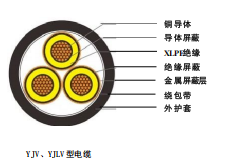
Rated Voltage 6-35kV Cross-linked Polyethylene Insulated Power Cable
TONGDING INTERCONNECTION INFORMATION CO., LTD.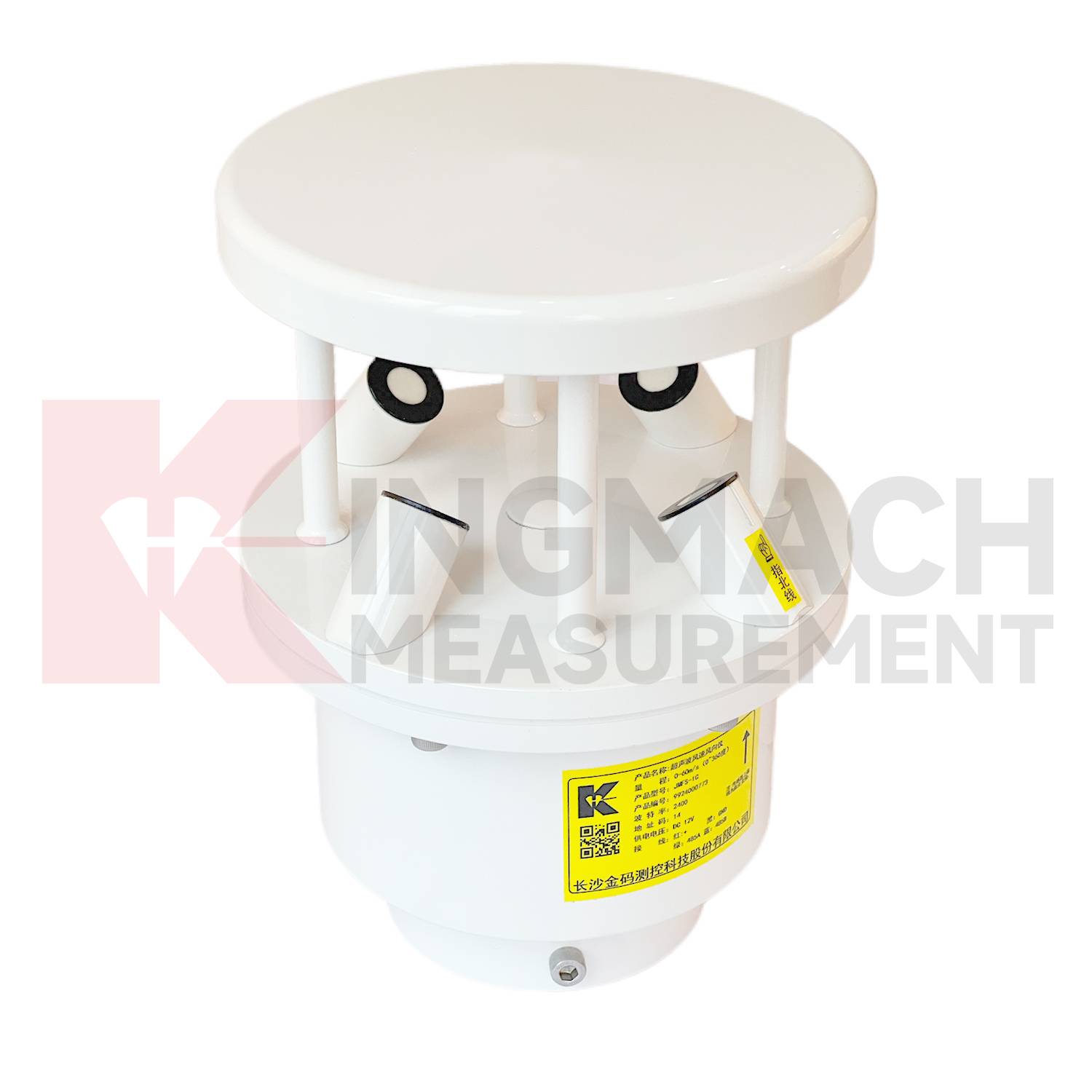
Ultrasonic Wind Speed and Direction Instrument
Kingmach Measurement & Monitoring Technology Co., Ltd.
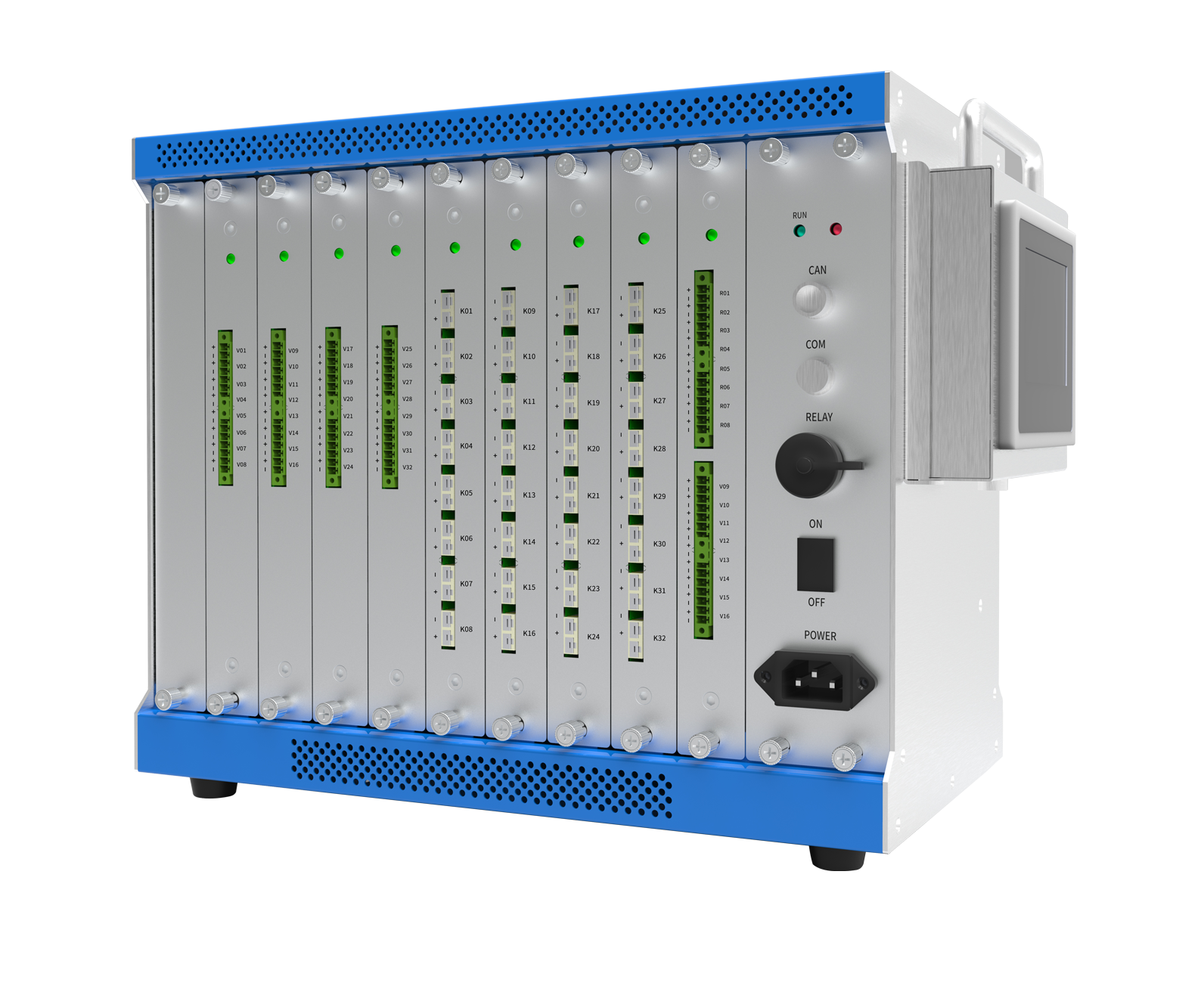
Optional Accessory - Auxiliary Sampling Module
Beijing Soaring Electric Technology Co., Ltd.
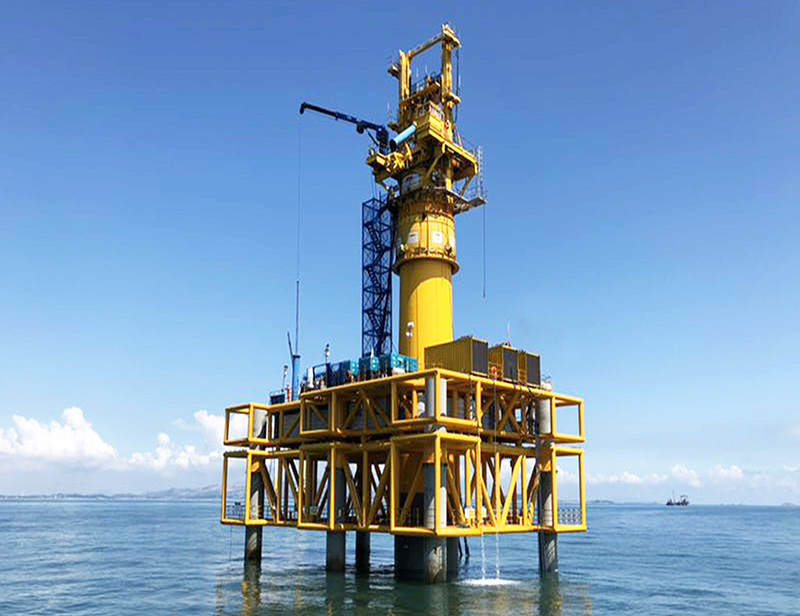
CITIC Heavy Industries Offshore Wind Power Equipment Hydraulic Pile Hammer
CITIC Heavy Industries Co., Ltd.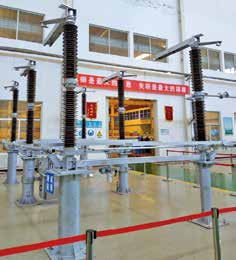
GW4-40.5/72.5/126/145/170/252/363/420 Series Double-column Horizontal Rotary High-voltage AC Disconnect Switch
SHANDONG TAIKAI DISCONNECTORS CO., LTD.