en.Wedoany.com Reported - Researchers at the Georgia Institute of Technology (Georgia Tech) have developed a method to directly extract rare earth elements (REEs) from coal waste.
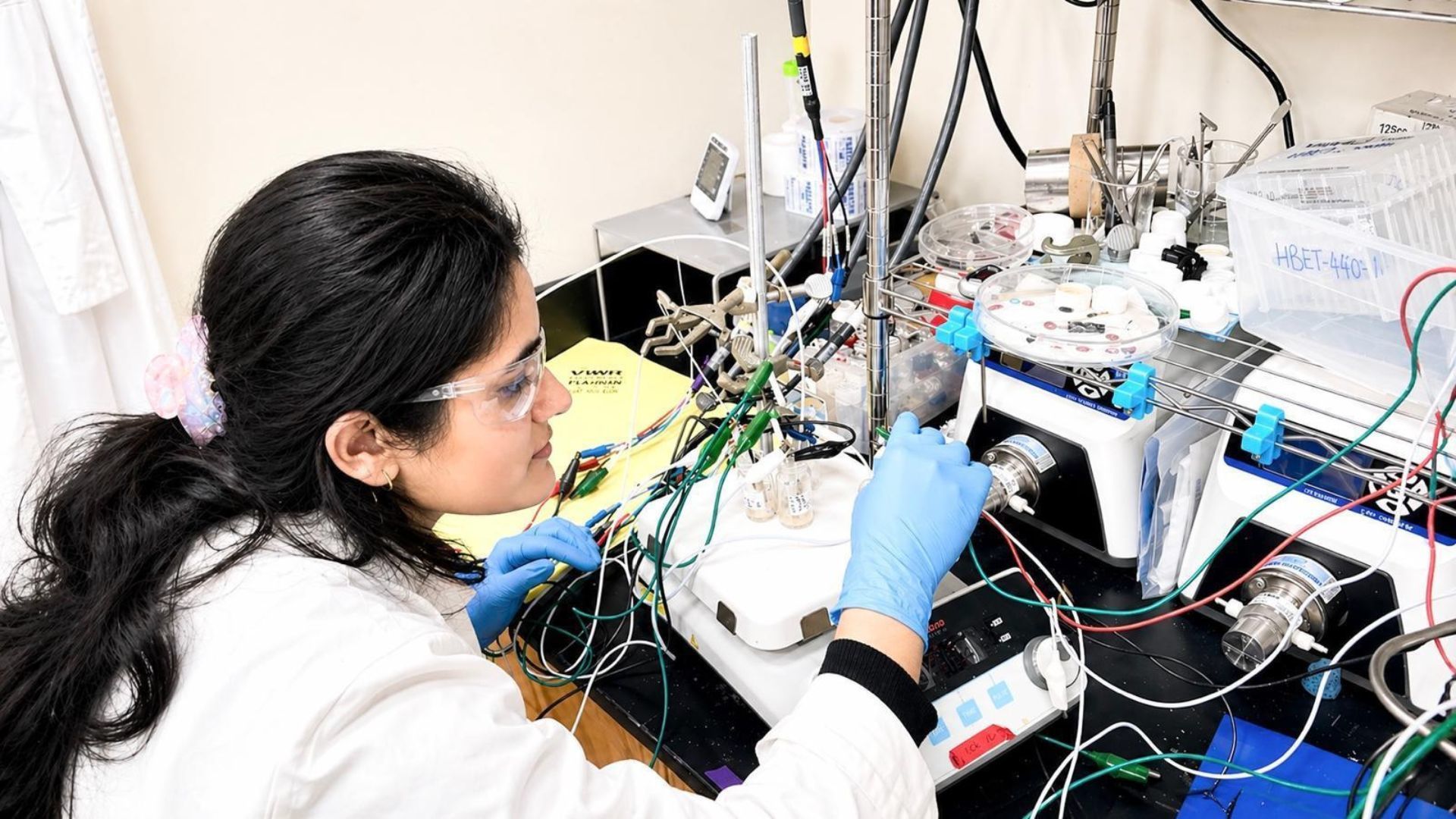
Postdoctoral researcher Anuja Tripathi, in collaboration with Professors Ching-Hua Huang and Xing Xie, has developed this innovative method for recovering critical rare earth elements from industrial waste. This approach provides a pathway to extract key materials needed for modern technology from the vast stockpiles of fly ash in the United States.
Rare earth elements (REEs) are not actually rare, but they are extremely dispersed, making it difficult to find deposits with sufficiently high concentrations for efficient mining. These elements are critical components in electric vehicle motors, wind turbines, defense weapon systems, and smartphones. Currently, the United States relies heavily on foreign supply chains for these elements, and this high dependency creates geopolitical and national security vulnerabilities.
The solution already exists in coal landfills across the United States. Currently, approximately 2 billion tons of fly ash are stored in ponds and landfills nationwide. Coal naturally contains trace amounts of rare earth elements, and when coal is burned, these elements remain in the ash and become concentrated. Traditional extraction methods require high temperatures and corrosive acids, often causing more pollution.
Tripathi's breakthrough eliminates these harsh chemicals. The system relies on a recyclable, salt-based "ionic liquid" that remains stable under aqueous chemical decomposition conditions. First, the ionic liquid washes the fly ash, pulling rare earth elements out of the waste; then, scientists apply an electric current to the liquid, and the valuable elements gather on a collection surface, where researchers can scrape them off. The liquid can be cleaned and reused. The team can target specific metals by adjusting the current voltage; at low voltage, the system separates neodymium (Nd)—a key component of super-strong permanent magnets in the clean energy sector. Preliminary laboratory tests show the system successfully recovers nearly half of the available neodymium.
With the laboratory chemistry validated, the next phase is scaling up. The team must demonstrate that the system can handle tons of waste, not just small batch samples, and needs to be commercially competitive. Researchers say the same electrochemical process could also be used in the future to extract rare earth elements from discarded phones, end-of-life electric vehicle batteries, and old medical waste. The research findings have been published in the journal Environmental Science and Technology.
This article is compiled by Wedoany. All AI citations must indicate the source as "Wedoany". If there is any infringement or other issues, please notify us promptly, and we will modify or delete it accordingly. Email: news@wedoany.com