Miovision's Large Language Model Boosts Traffic Management Efficiency by 100 Times
en.Wedoany.com Reported - On June 11, Canadian intelligent transportation technology company Miovision showcased its large language model application for traffic engineering in Detroit, USA. The system allows traffic managers to query intersection, signal light, road operation, and safety data through natural language, compressing tasks that previously relied on manual sorting, exporting, analysis, and tabulation into minute-level processing. Related demonstrations show that traffic management efficiency can be increased to a hundred times that of traditional methods.
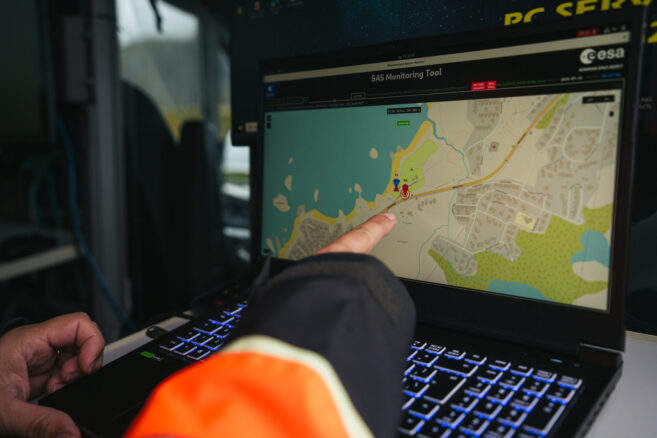
Urban traffic systems generate vast amounts of scattered data daily, including traffic flow, queue length, signal timing, bus operations, pedestrian crossings, collision risks, emergency responses, and intersection anomalies. Traditional traffic engineers need to retrieve data from different platforms and then make judgments using tables, charts, and on-site experience. Miovision's large language model application integrates this complex data into a conversational interface, allowing engineers to directly ask questions, such as which intersections have the highest delays, which time periods have abnormal congestion, and which signal plans need priority adjustments. The system then generates charts, maps, safety indicators, and management summaries.
The significance of such tools lies in shifting traffic management from "manual data checking" to "AI-assisted diagnosis." For urban traffic departments, the real bottleneck is often not a lack of equipment, but the overwhelming amount of data accumulated by cameras, detectors, signal controllers, and traffic platforms, which engineers struggle to digest in a timely manner. After the large language model enters the traffic engineering workflow, it can first complete data retrieval, trend summarization, anomaly identification, and report generation, followed by professional judgment on whether to adjust signal plans or optimize road organization.
Miovision's previously launched Mateo is a generative AI agent for traffic engineering that can be used in conjunction with the Miovision One platform for automated traffic network diagnostics and data analysis. The system can reduce manual data analysis time by up to 95%, compressing analysis tasks that previously took weeks into minutes. This "100x efficiency" demonstration further illustrates that large language models are moving from general office scenarios into specialized business processes like urban traffic operations. For cities with numerous intersections, corridors, and signal control systems, AI tools can help identify congestion points more frequently, verify the effectiveness of signal adjustments, and enable management to better understand road operation status.
For the information and communication technology and intelligent transportation industry chain, such applications will drive upgrades in traffic data platforms, AI analysis tools, intersection sensing equipment, signal control systems, cloud computing, edge computing, and urban operation platforms. Traffic management is no longer just about installing hardware and collecting data, but about converting real-time data into actionable management recommendations. Subsequent focus areas include the deployment of Miovision's large language model application among city clients, analysis accuracy in complex road networks, integration capabilities with signal optimization systems, and whether AI recommendations can consistently translate into road operation improvements. If the application effects are continuously validated, urban traffic management will gradually shift from low-frequency manual analysis to a more real-time and proactive intelligent operation model.
This article is compiled by Wedoany. All AI citations must indicate the source as "Wedoany". If there is any infringement or other issues, please notify us promptly, and we will modify or delete it accordingly. Email: news@wedoany.com
Related Products


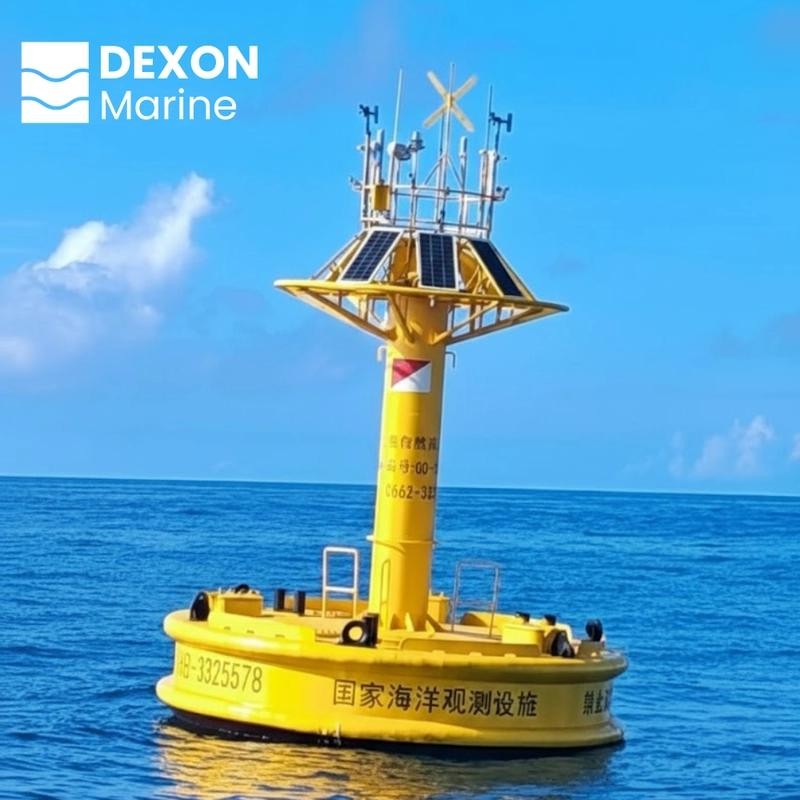
3m intelligent buoy combining navigation safety and real-time marine monitoring integrated navigation and marine monitoring system for real-time maritime data
Chengdu Dixin Technology Co., Ltd.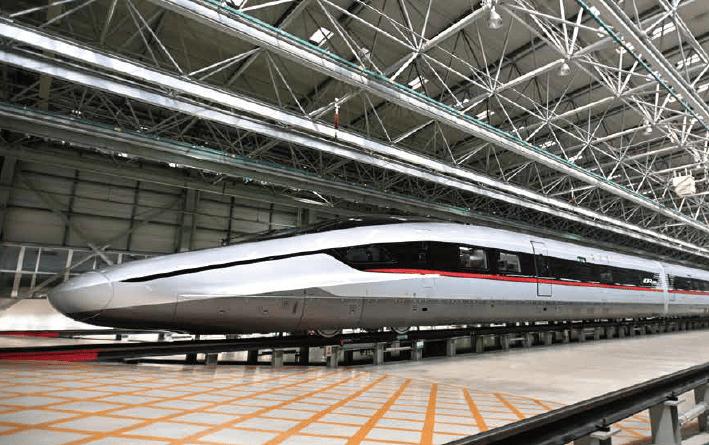

Wheel and Track Technology Business
Beijing Research & Design Institute of Rubber Industry Co., Ltd.![IVECO Cash-in-Transit [DMT5048XYCL3-AM] - Chongqing Dima Industry Co., Ltd](https://img.wedoany.com/2026/0911/20260911030157582.png)
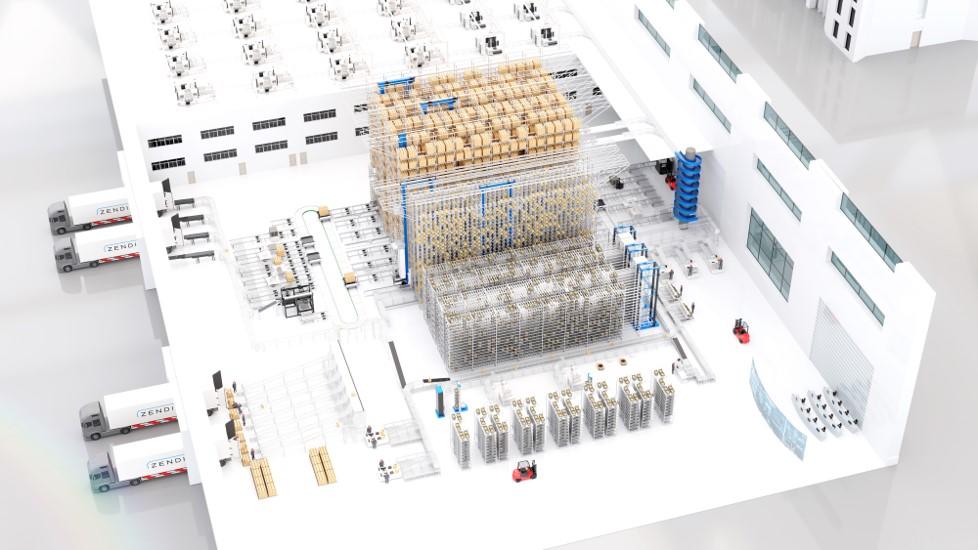
One-Stop Steward Service for the Entire Logistics System Integration Chain
Zhongding Intelligent (Wuxi) Technology Co., Ltd.
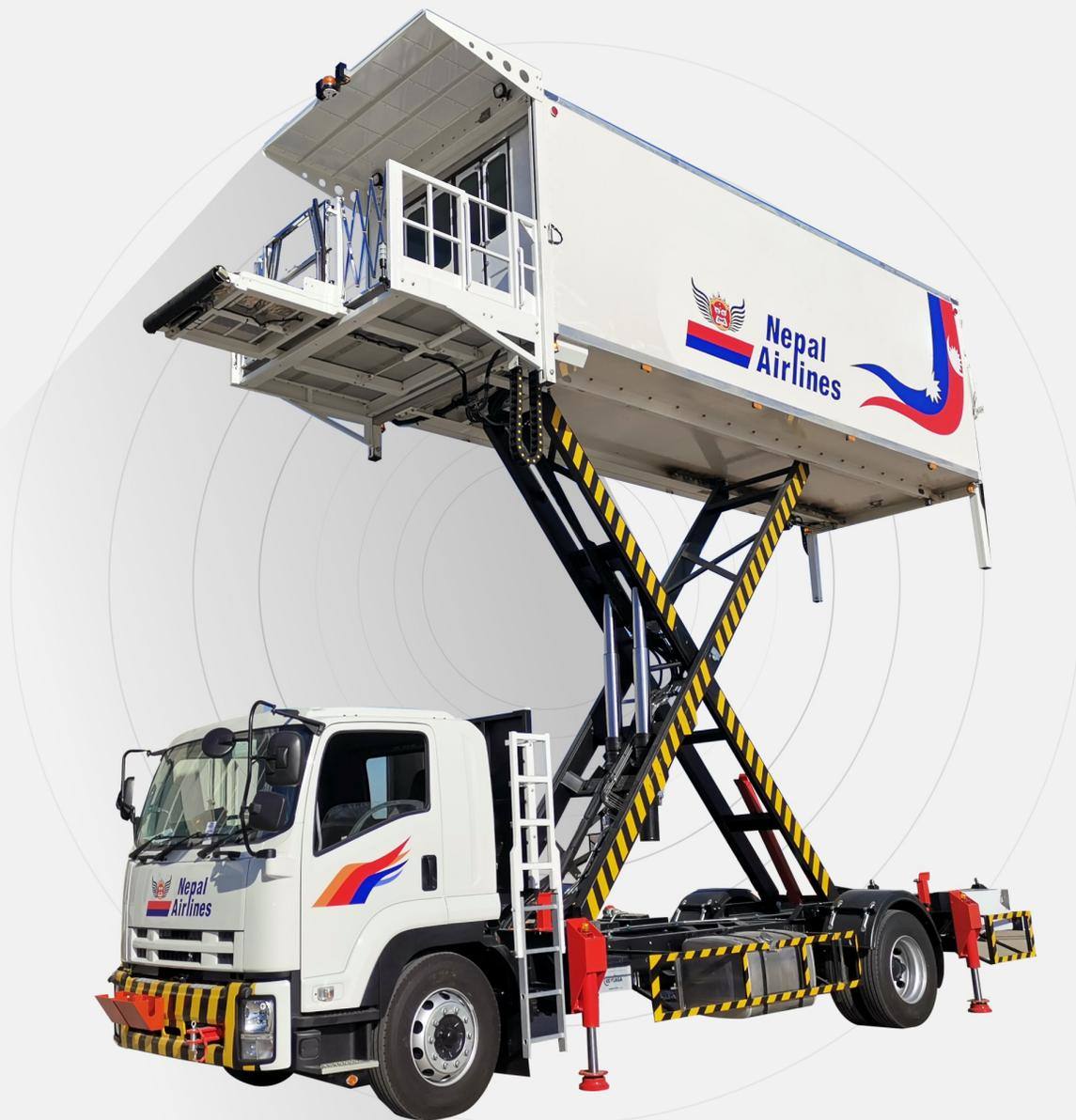
XC-6000e Type Aviation Catering Truck (Fuel Type)
Shenzhen CIMC-TianDa Airport Support Ltd.