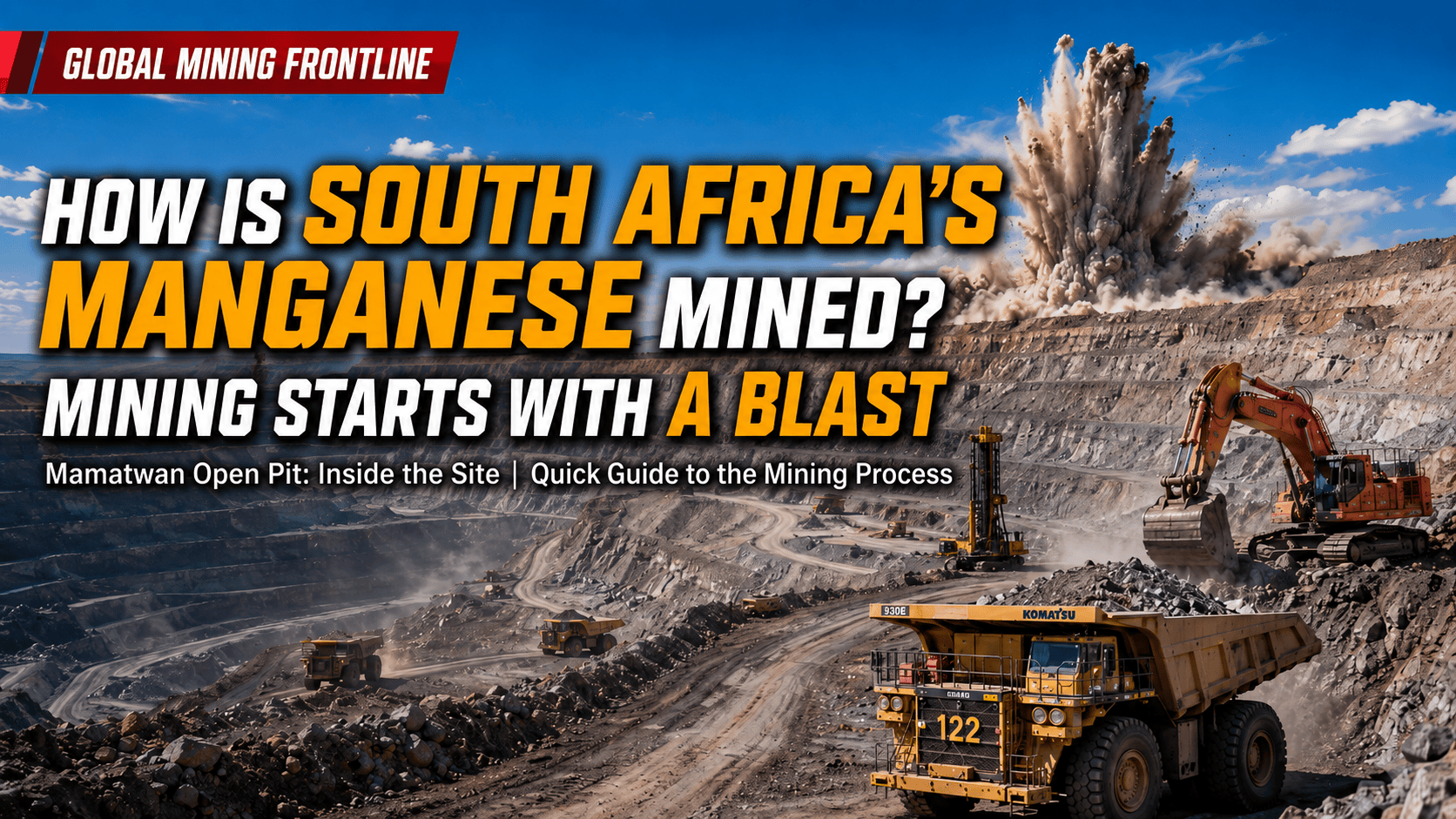
Coltan from Congo Conflict Zone May Enter Sony and Microsoft Supply Chains (2023-2025)
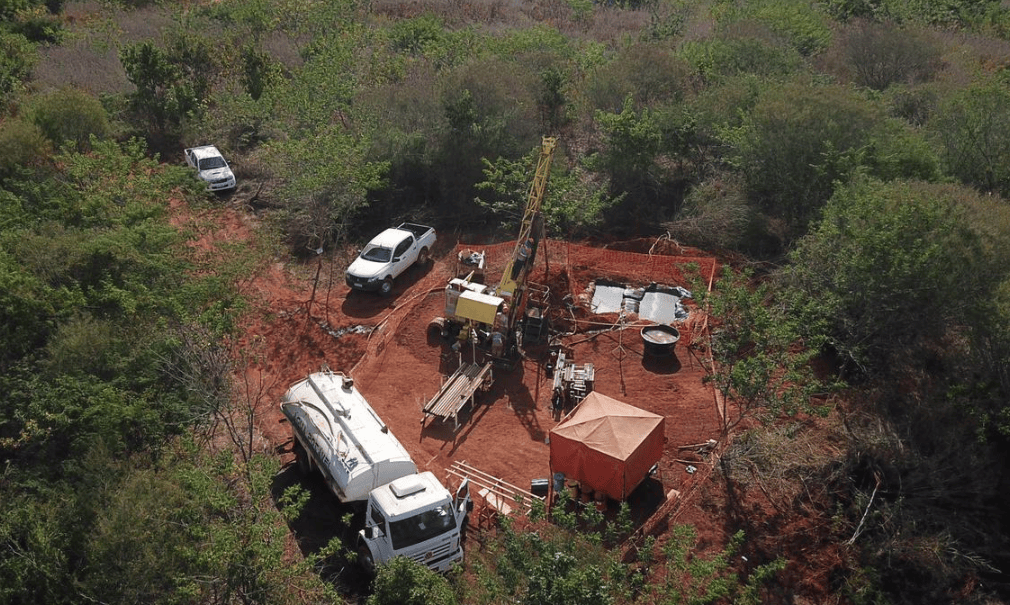
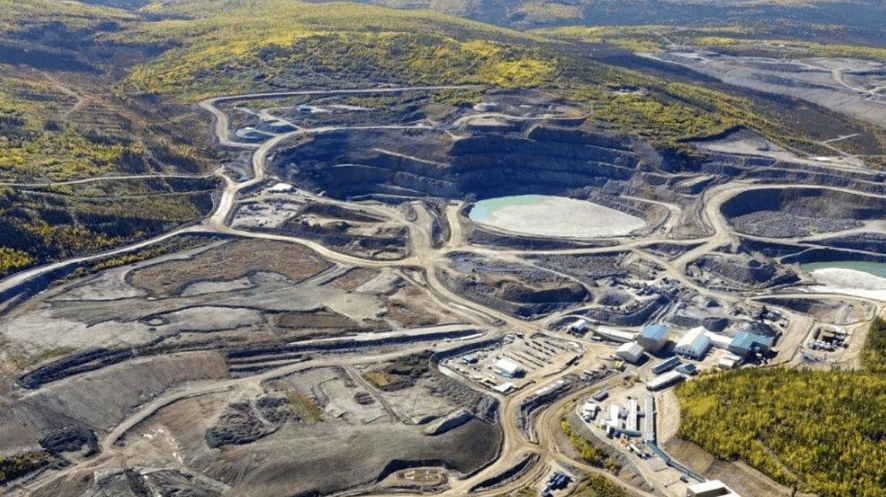
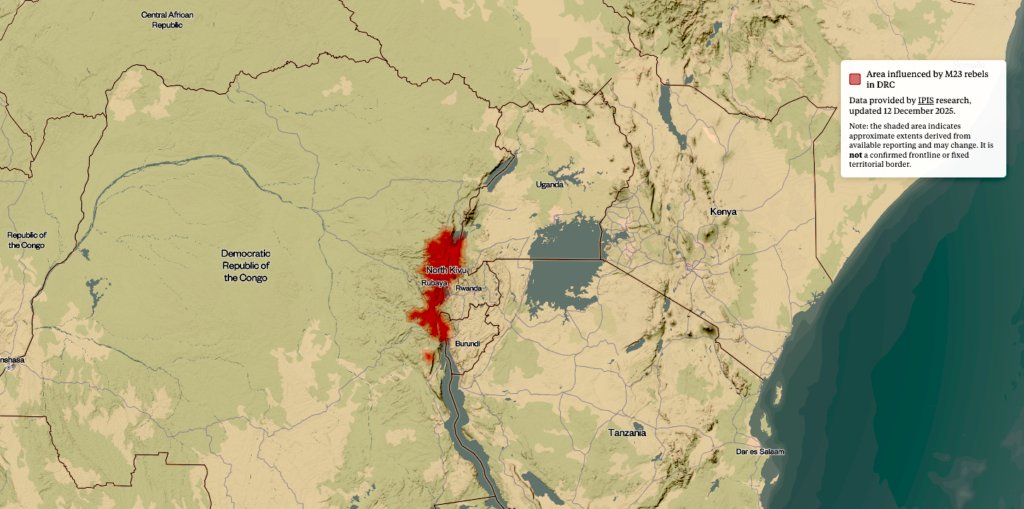
en.Wedoany.com Reported - A new report from London-based investigative organization Global Witness reveals that coltan smuggled from mining areas controlled by the M23 armed group in the Democratic Republic of Congo has entered the supply chains of several major technology and automotive companies. The organization found that five of Rwanda's seven largest coltan exporters sourced raw materials from the Rubaya mining area in North Kivu province, where M23 has controlled operations for the past two years.
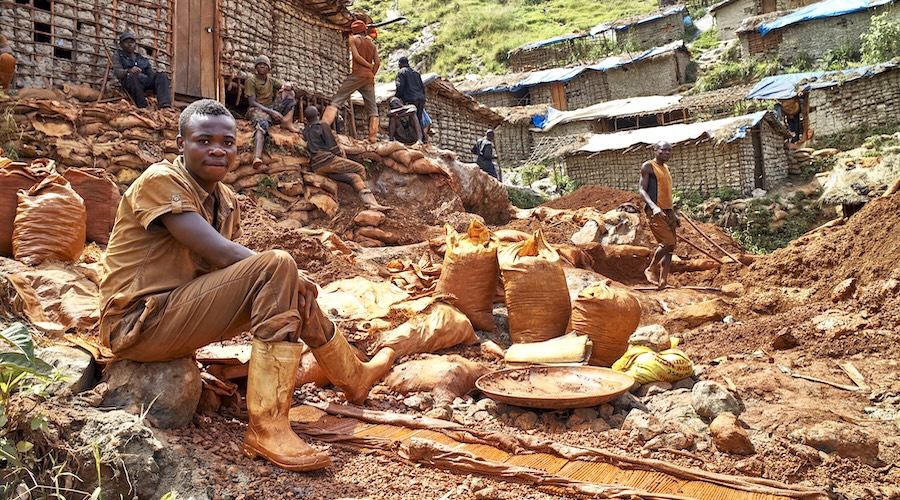
The report states that this mineral, used in smartphones, computers, and other electronic products, has likely entered supply chains associated with Sony, Microsoft, Amazon, LG Display, Ericsson, Toyota, Nvidia, and Vodafone. The investigation covers data from 2023 to September 2025, utilizing trade data, field research, and interviews with over 70 sources.
"Behind our everyday technology lies a supply chain tainted by violence, exploitation, and human suffering," said Alex Kopp, Senior Policy and Advocacy Advisor at Global Witness. "These companies have failed or are unwilling to clean up their supply chains." The findings question the effectiveness of mineral traceability and due diligence programs that companies rely on to certify responsible sourcing. Global Witness claims that the ITSCI traceability system has been used to launder large quantities of smuggled coltan, and that conflict-related materials may have also entered the "Better Mining" system. The organization further states that audits conducted under the Responsible Minerals Initiative (RMI) have failed to identify large volumes of conflict coltan flowing through smelter supply chains.
Several companies and organizations have disputed or questioned certain aspects of the findings. Toyota stated its goal is to source conflict-free minerals through supplier due diligence, while Sony expressed its expectation that suppliers comply with its procurement standards. Ericsson noted that the smelter identified by Global Witness meets Responsible Minerals Initiative requirements and will review the cited case. Traxys denied sourcing conflict minerals, "Better Mining" denied labeling conflict-affected coltan, and ITSCI stated its system remains active and functional. Nvidia, Amazon, Microsoft, Vodafone, and LG Display did not respond to requests for comment.
The investigation comes as governments and manufacturers face increasing pressure to secure critical mineral supply chains. The Rubaya mining area accounts for approximately 15% of global coltan production, making the region strategically important to the electronics industry. The report concludes that stronger enforcement, corporate accountability, and sanctions against those who finance or benefit from the conflict are needed to prevent minerals linked to human rights abuses from entering international markets.
This article is compiled by Wedoany. All AI citations must indicate the source as "Wedoany". If there is any infringement or other issues, please notify us promptly, and we will modify or delete it accordingly. Email: news@wedoany.com
Related Products
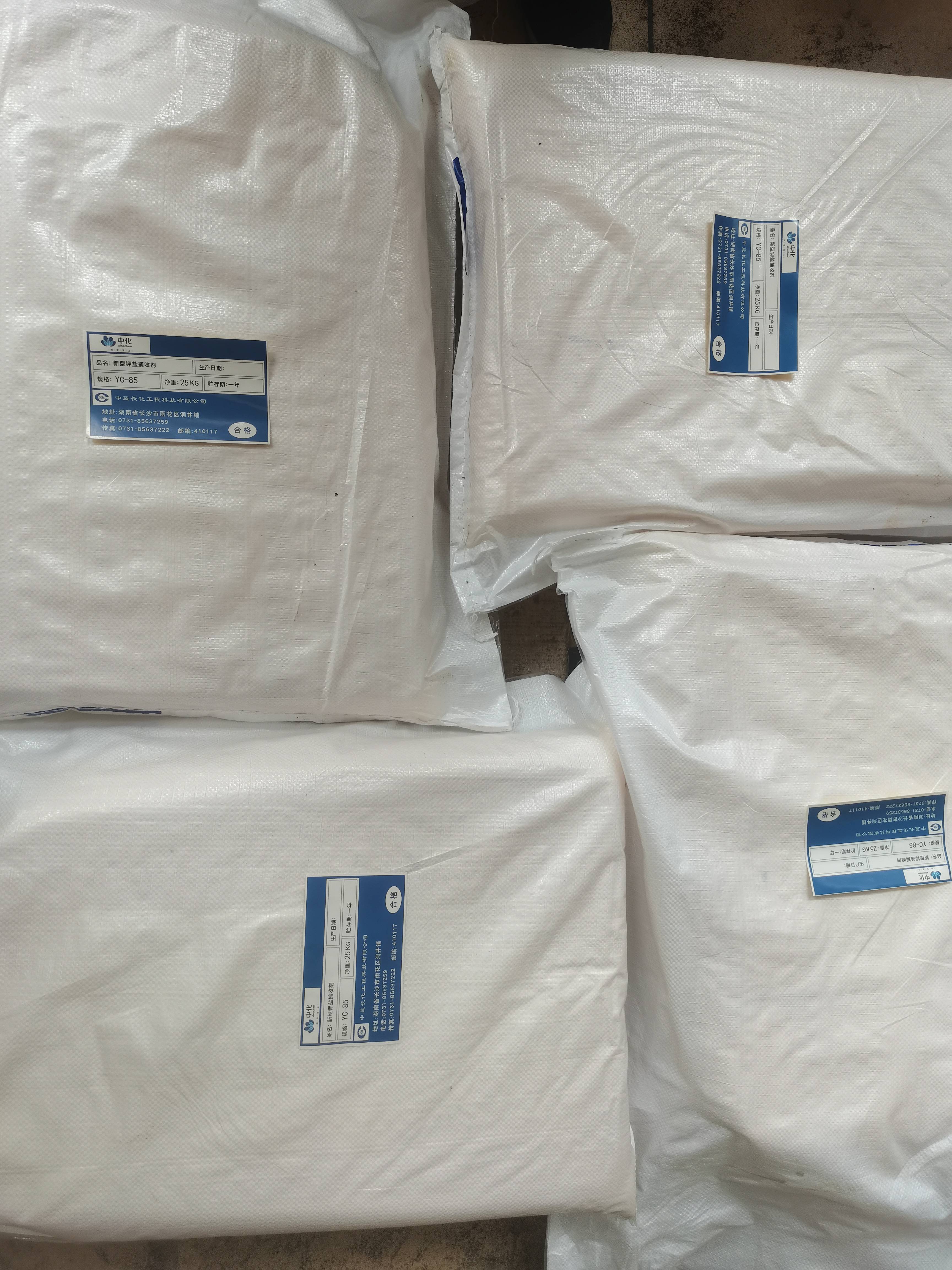

New Environmentally Friendly Green Potassium Salt Collector
Chonfar Engineering and Technology Co., Ltd.
Comprehensive Mining Automation Control System
Beijing Tianma Intelligent Control Technology Co., Ltd.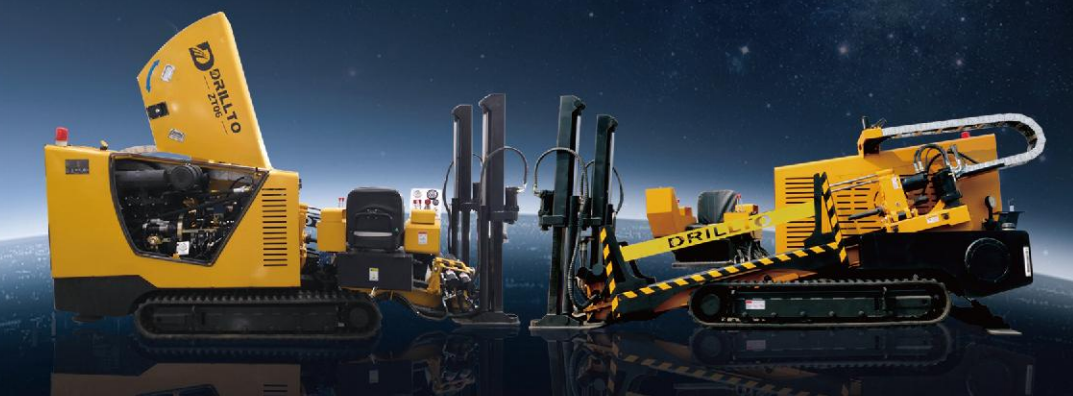
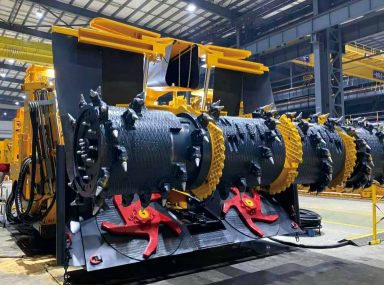
Integrated Excavation and Anchoring Machine (EJM Series)
China Railway Construction Heavy Industry Corporation Limited
Core Technologies of the Mining Technology and Equipment Business Unit: Efficient Mining Methods and Processes
CHANGSHA INSTITUTE OF MINING RESEARCH CO., LTD.
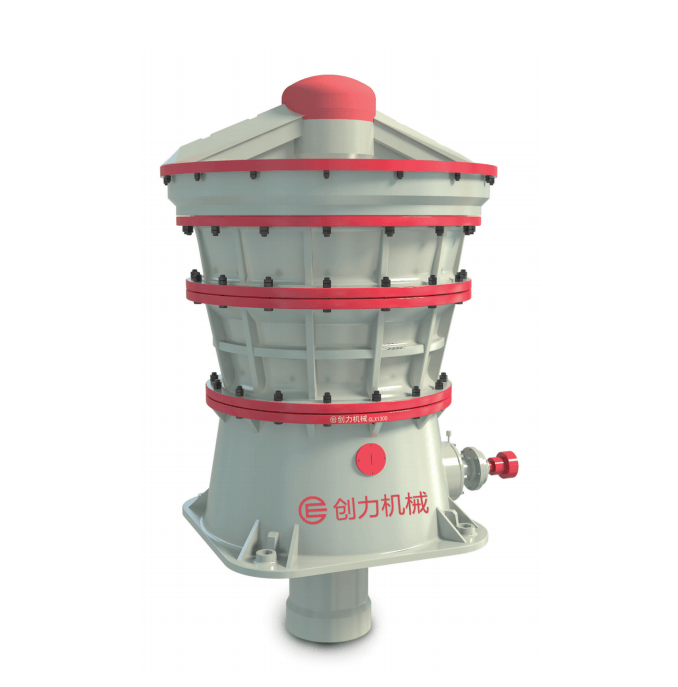
CLX Series Intelligent Hydraulic Gyratory Crusher
Guangdong CHUANGLI intelligent machinery Equipment Co., LTD
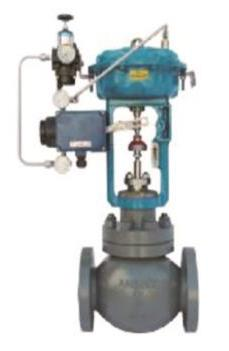
Quick-Change Single-Seat Control Valve / Quick-Change High-Pressure Single-Seat Control Valve
Beijing Consen Automation Technology Co., Ltd.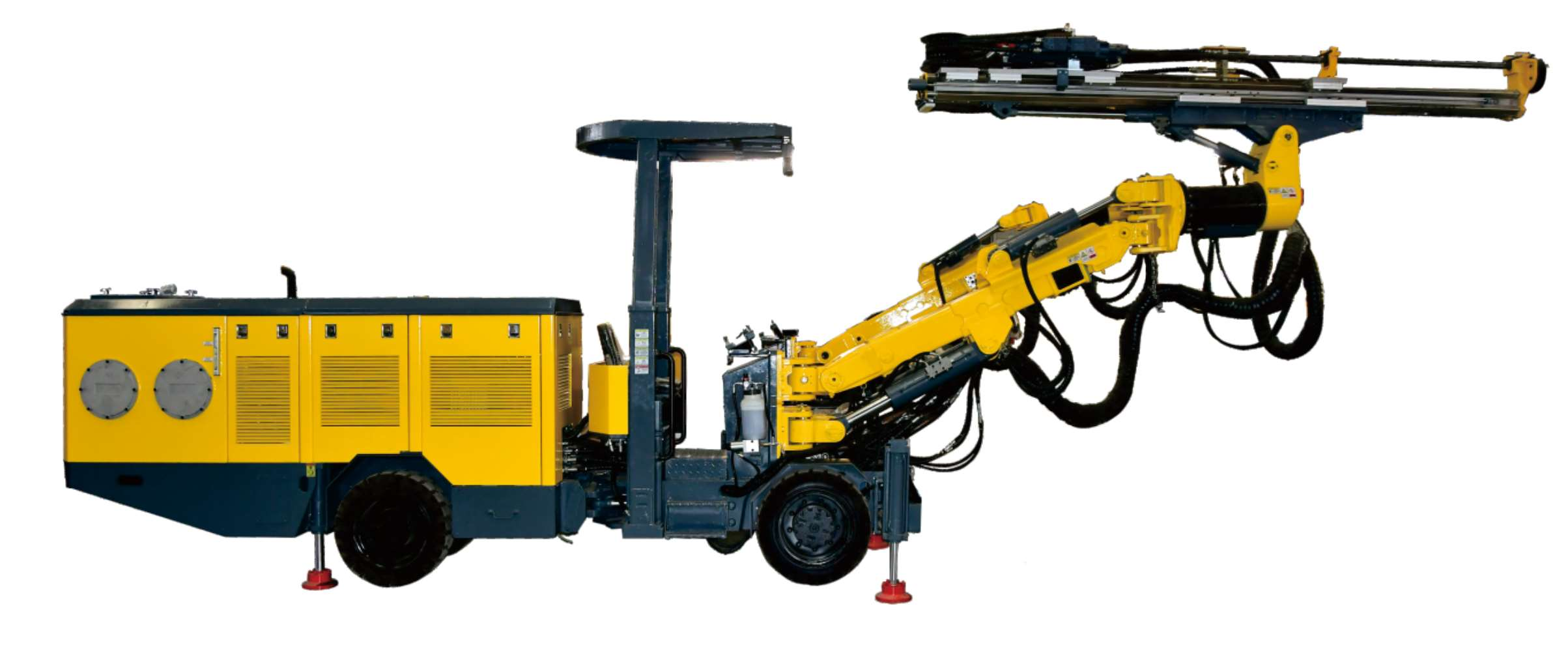
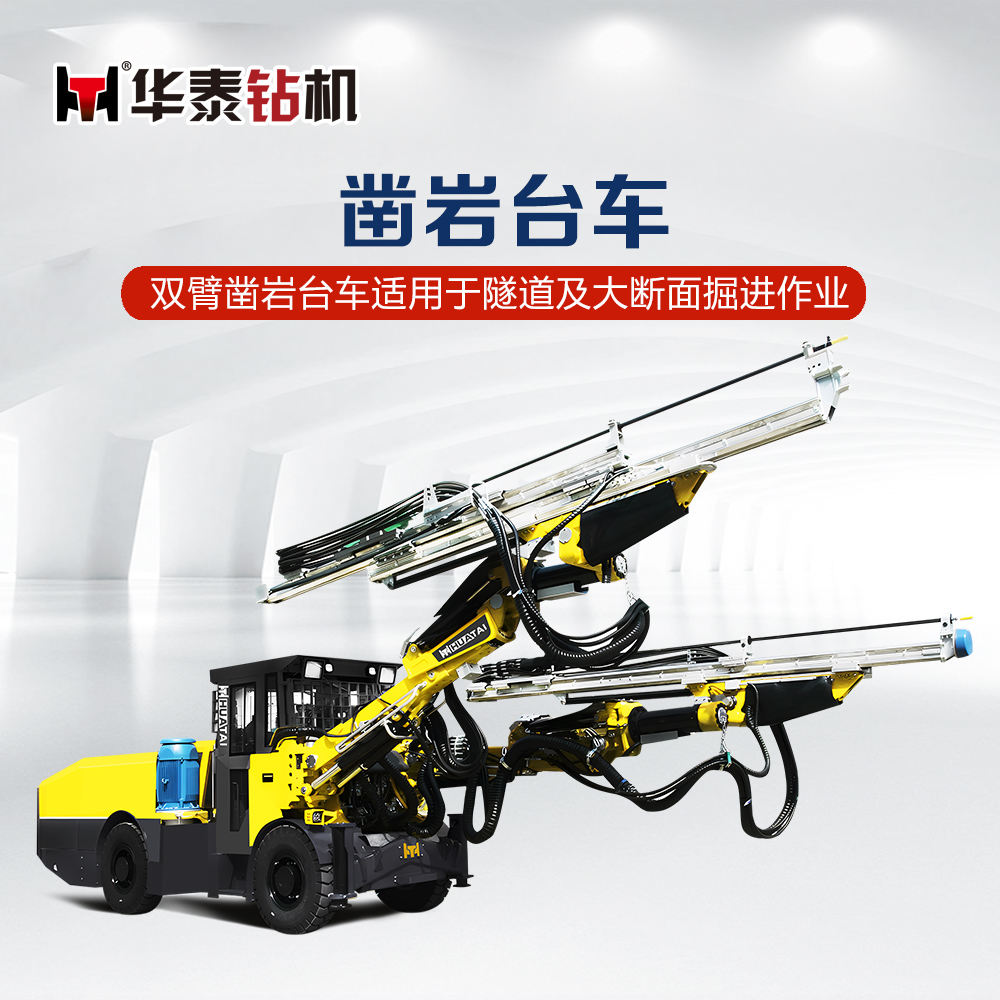
CYTJ45/2 Mining Hydraulic Tunneling Drill Rig
Zhangjiakou Xuanhua Huatai Mining and Metallurgical Machinery Co., Ltd.