en.Wedoany.com Reported - Multiple Australian states and territories are driving the transition to all-electric homes through policies and incentives. An all-electric home operates entirely on electricity, removing gas connections and powered by the grid, solar panels, or home batteries. This model, made more cost-effective and practical by advances in technologies such as heat pumps, induction cooktops, and solar storage, is becoming the standard for new homes and an upgrade path for existing homes in Australia.
On the policy front, Victoria has banned new homes requiring planning permits from connecting to gas since January 1, 2024, with the ban extending to all new homes and commercial buildings from January 2027. The Australian Capital Territory (ACT) has legislated to prohibit gas use in new homes, supported by 100% renewable electricity. The Sydney City Council has approved all-electric rules for new homes, restricting indoor gas appliances from January 2026 and fully requiring all-electric from January 2027. New South Wales, Victoria, and Queensland have all set targets to phase out gas connections in new homes and commercial premises.
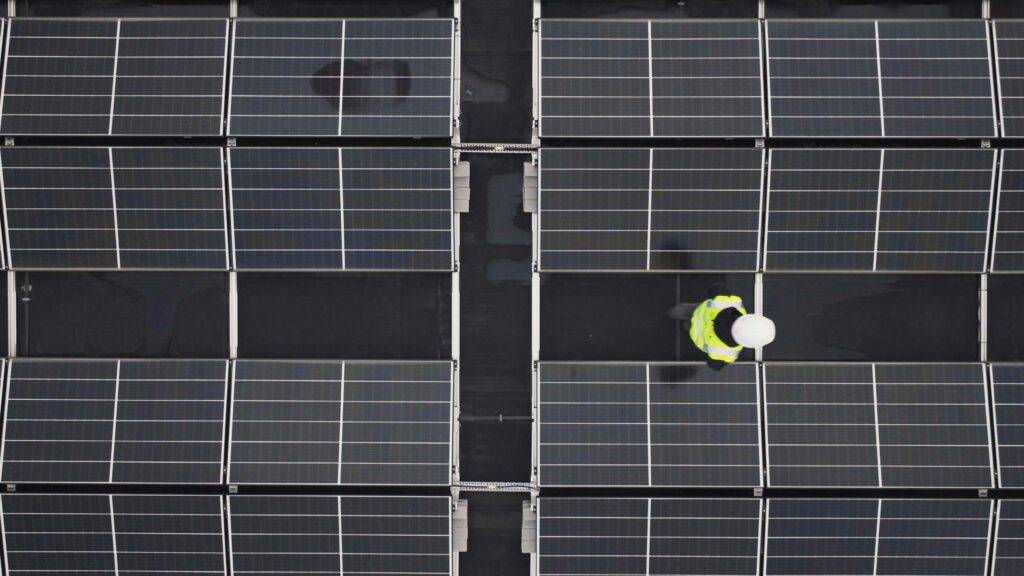
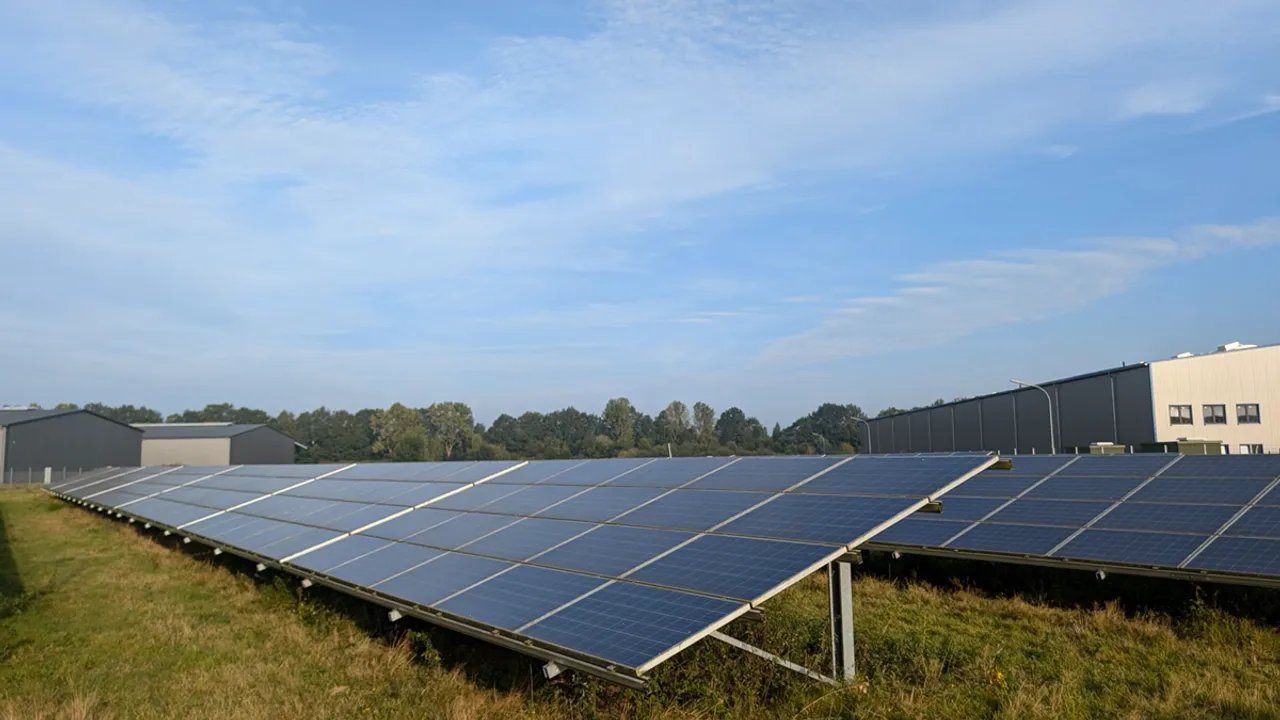
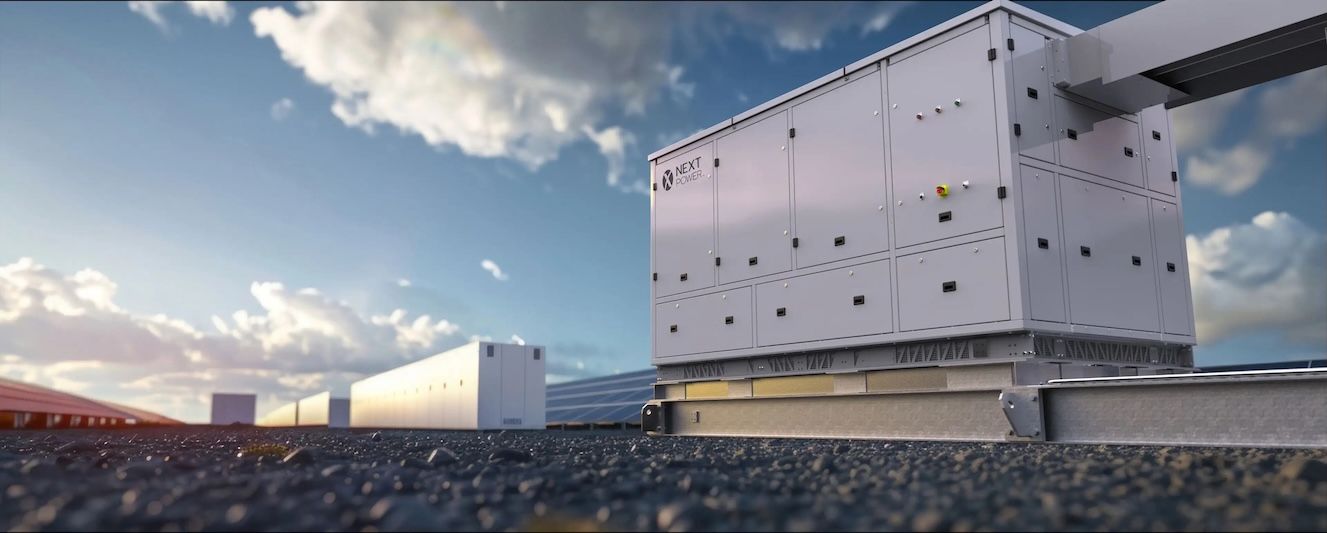
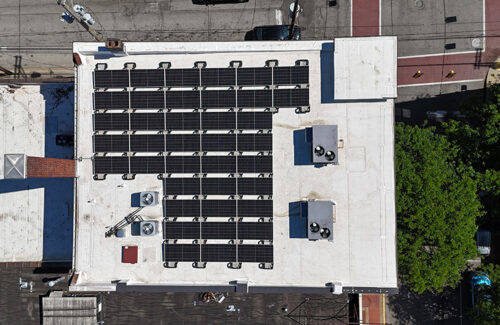
The key to transitioning to an all-electric home is replacing gas appliances. Heat pump water heaters, which absorb heat from the air to heat water, are three times more efficient than traditional electric elements, significantly reducing operating costs. Induction cooktops achieve an energy efficiency of 85-90%, compared to around 40% for gas stoves, offering faster, safer, and more energy-efficient cooking. Reverse-cycle air conditioners provide both heating and cooling, making them the most energy-efficient option for home heating, with lower operating costs than gas ducted heating. Solar panels and home batteries are not essential for an all-electric home but can minimize grid dependence and reduce energy bills.
Most households adopt a phased approach, replacing appliances one by one at the end of their lifespan. A common roadmap includes: first installing solar panels, replacing the gas water heater with a heat pump water heater, swapping the gas stove for an induction cooktop, replacing the gas heater with a reverse-cycle air conditioner, and considering installing a home battery and an electric vehicle charger. New homes built all-electric from the start can avoid high gas connection fees and piping costs.
This article is compiled by Wedoany. All AI citations must indicate the source as "Wedoany". If there is any infringement or other issues, please notify us promptly, and we will modify or delete it accordingly. Email: news@wedoany.com