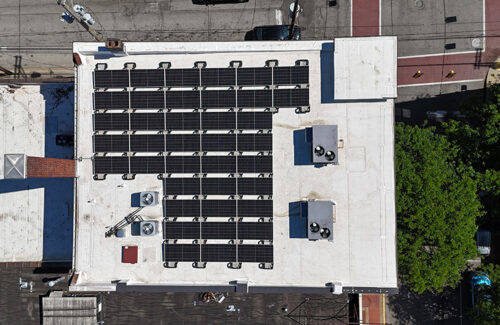
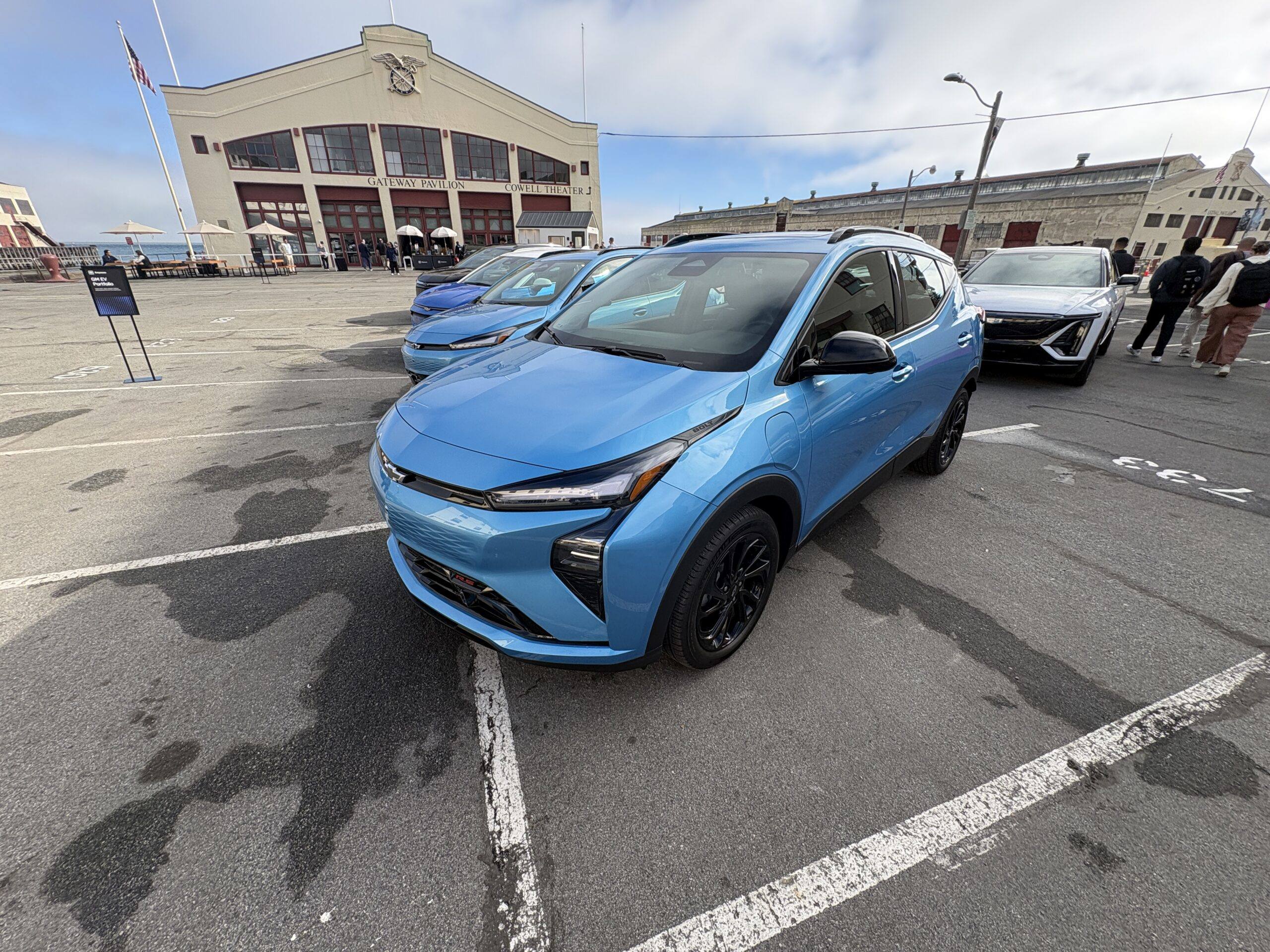
en.Wedoany.com Reported - At an event held in San Francisco, General Motors announced three major developments: activating vehicle-to-grid (V2G) functionality for existing customers without requiring new hardware, betting on sodium-ion batteries for grid-scale energy storage, and launching a unified public charging interface called Energy Pass. The event offered test drives of the new Bolt EV and allowed journalists to experience the newly opened IONNA charging station in the city.
In terms of driving, the new Bolt delivers decent acceleration, with initial pickup slightly slower than the rear-wheel-drive Tesla Model Y but noticeably faster than 90% of gasoline-powered vehicles. On San Francisco's steep hills, the car climbs effortlessly, offering good handling without a sporty feel. For a driver 6 feet 2 inches tall, cabin space is adequate, though seat firmness exceeds expectations; rear headroom is somewhat tight for taller passengers. Cargo space meets daily needs, but folding the rear seats is required for larger loads.
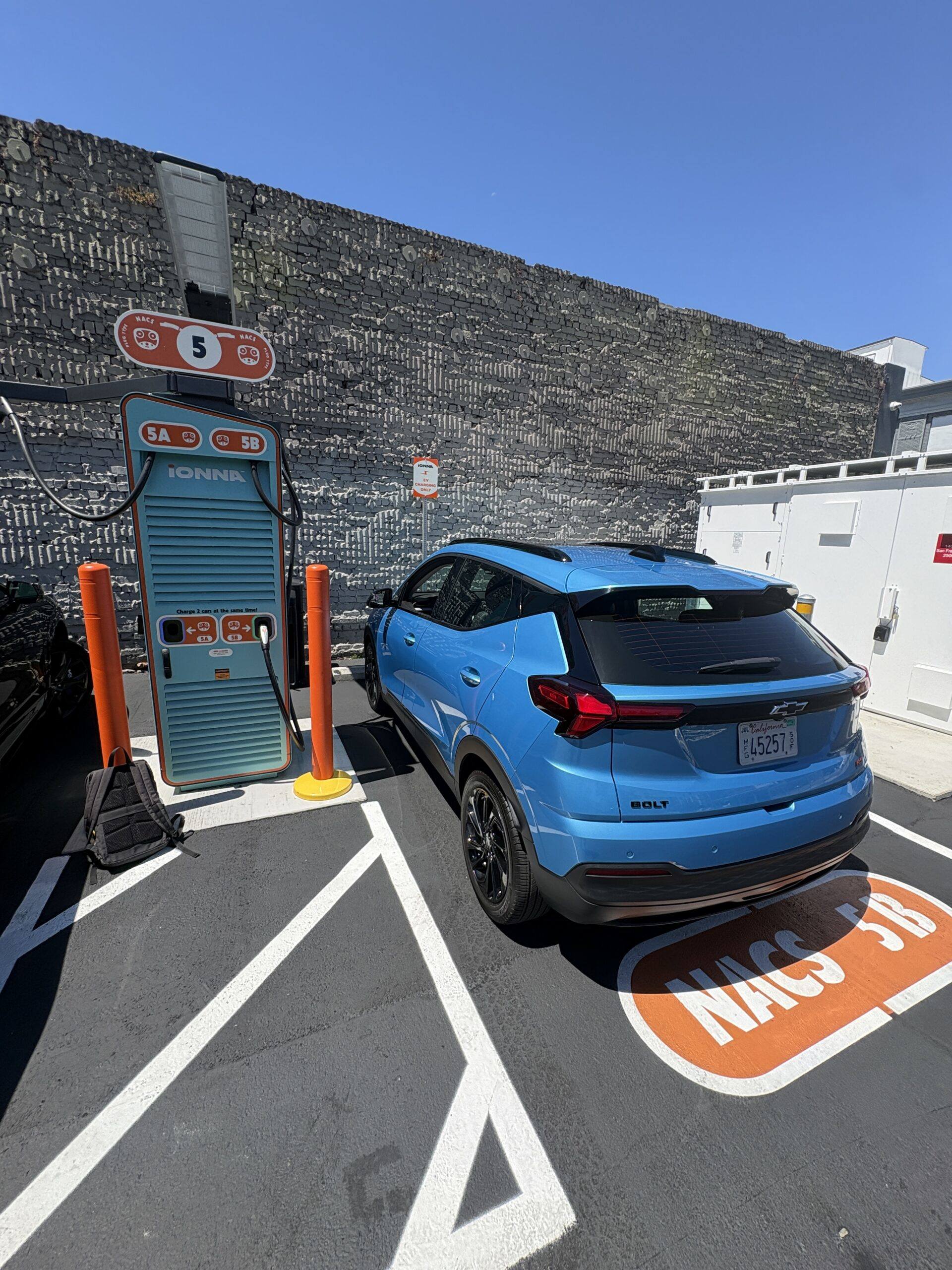
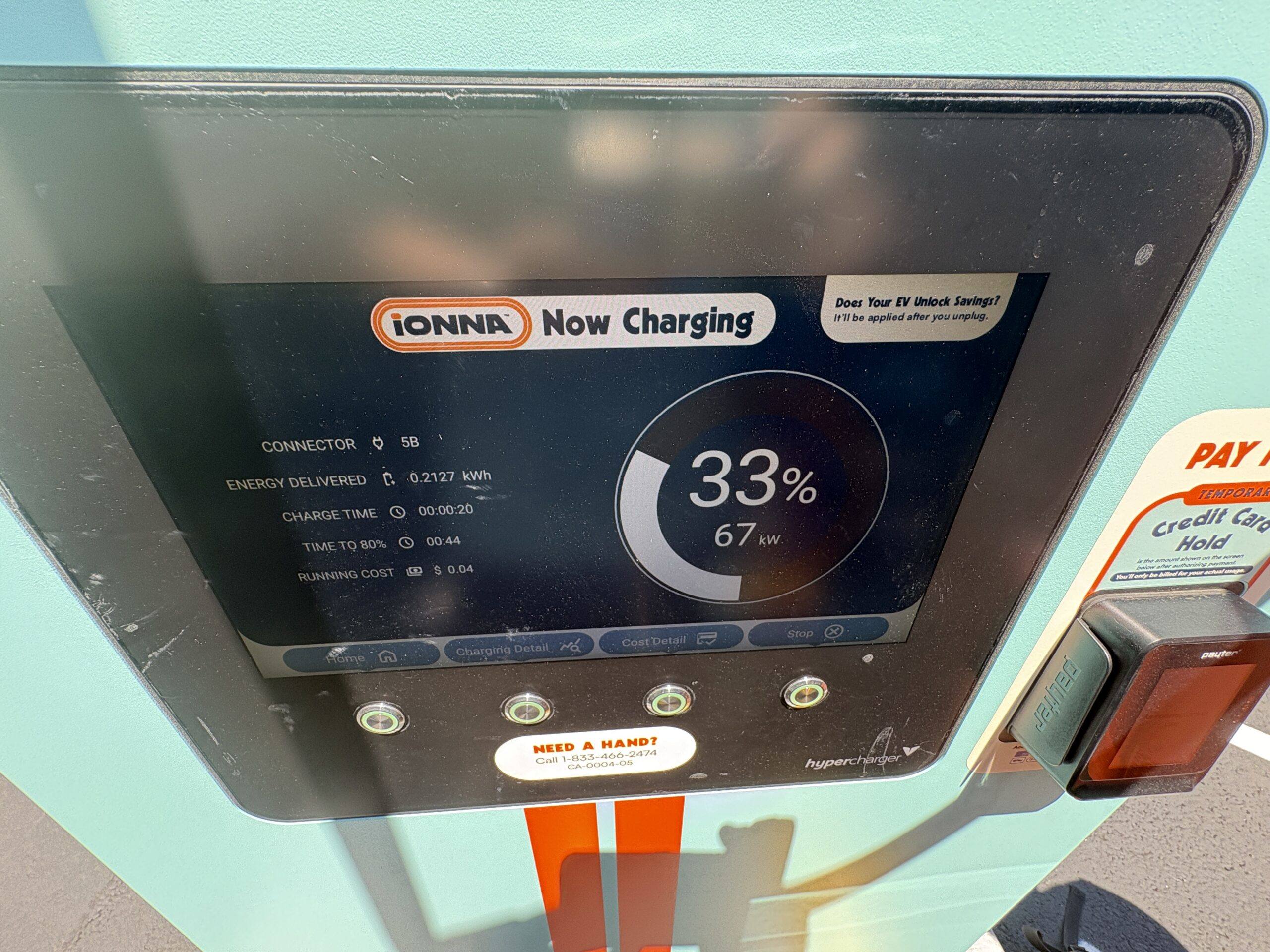
The new Bolt uses lithium iron phosphate (LFP) batteries, allowing daily charging to 100%, and its 262-mile range outperforms the Tesla Model Y (typically charged to 80%) in everyday use. Maximum charging power has been increased to 150 kW, enabling a 10% to 80% charge in just 26 minutes—nearly three times faster than the previous Bolt's 73 minutes.
LFP battery packs are considered less likely to catch fire when submerged in saltwater. All GM models support vehicle-to-home (V2H) and vehicle-to-grid (V2G) functionality, including the most affordable Bolt. Currently, professional installation of a V2H kit costs approximately $8,000, with an additional $2,000 to $7,000 in installation fees, totaling around $10,000 to $15,000. The kit includes a Level 2 charger, enabling savings on electricity bills through time-of-use rates, while also serving as a replacement for a home Generac backup power system costing $10,000 to $14,000. For powering the home when the car is away, an additional $7,000 to $19,000 is required for a GM stationary battery.
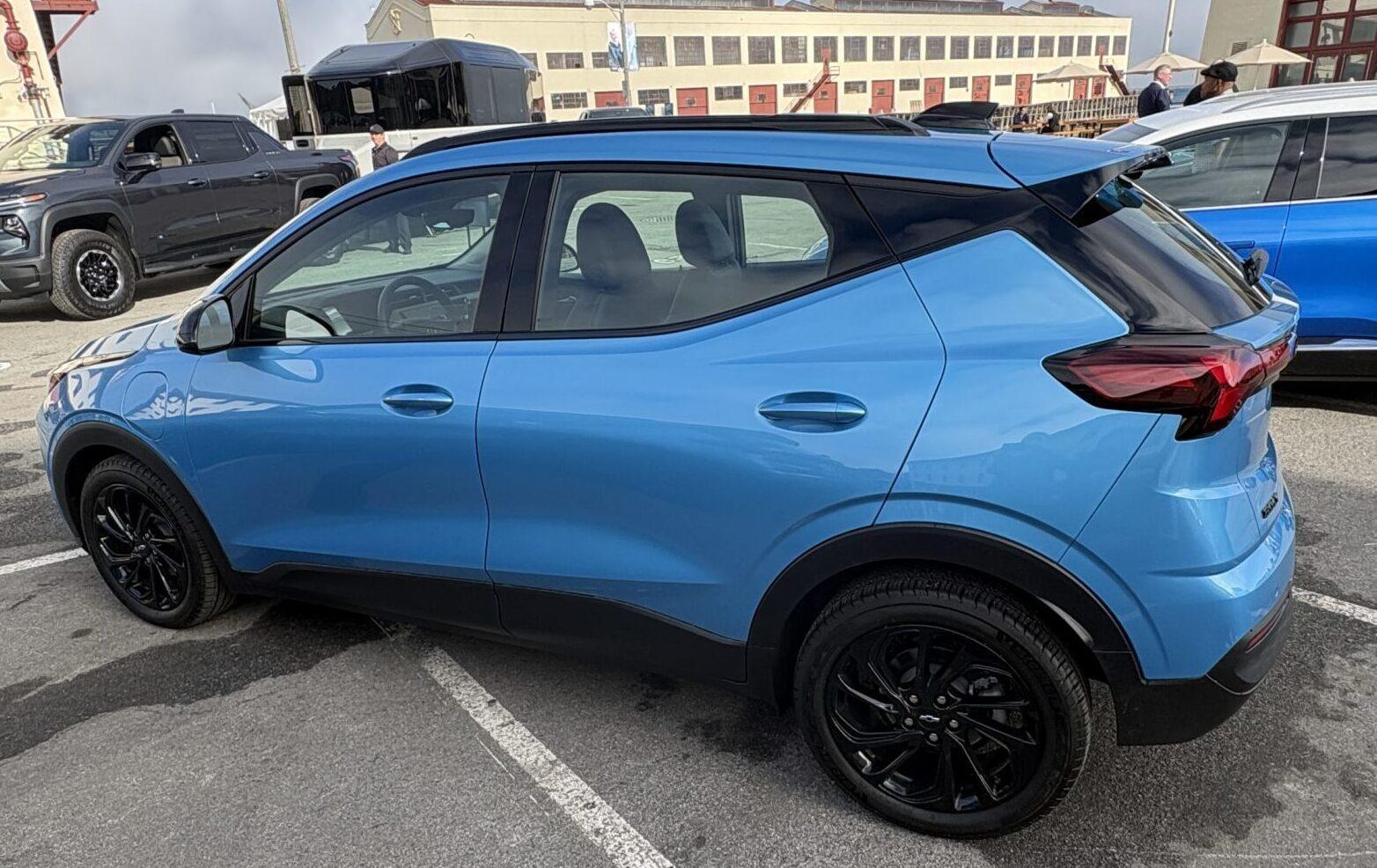
The updated Bolt offers tangible improvements in charging speed, daily-use LFP range, and native support for V2H/V2G functionality. While the full home backup power system remains costly, the foundational technology is in place. GM still needs to enhance awareness and perceived value, but events like this show its technology ecosystem is coming together. Faster, more practical EVs with the ability to power homes and the grid signal that electric vehicles will not only serve as transportation but also as significant energy assets.
This article is compiled by Wedoany. All AI citations must indicate the source as "Wedoany". If there is any infringement or other issues, please notify us promptly, and we will modify or delete it accordingly. Email: news@wedoany.com