EBRD and Kazakhstan Sign Enhanced Partnership Framework Targeting 2030
en.Wedoany.com Reported - The European Bank for Reconstruction and Development (EBRD) and the Government of Kazakhstan have signed an Enhanced Partnership Framework Arrangement (EPFA) aimed at supporting investment, accelerating economic reforms, and promoting sustainable development, with a target period extending to 2030. The agreement was formally signed in Riga by representatives of the Ministry of Finance of Kazakhstan and the EBRD during the 35th Annual Meeting and Business Forum, building on the previous framework established in 2021 and providing a roadmap for deepening cooperation in the coming years.

The new framework aims to enhance Kazakhstan's economic resilience, improve competitiveness, and advance key reforms by combining investment financing, grants, technical assistance, and policy support. One of its key priorities is supporting private sector development and attracting more foreign direct investment, with a particular focus on micro, small, and medium-sized enterprises (MSMEs) to promote employment and economic diversification. Both parties will also drive the transition to a low-carbon economy, promoting clean technologies, energy efficiency measures, and nature-based solutions in line with the goals of the Paris Agreement to reduce emissions and support sustainable economic growth. Infrastructure development remains a priority, with investments concentrated in areas such as electricity, water supply, and wastewater treatment, while strengthening public-private partnership frameworks to attract more private investment.
The agreement emphasizes digital transformation, planning to adopt digital technologies, artificial intelligence, and cybersecurity solutions across various sectors of the economy, while supporting the growth of venture capital and high-tech startups. Given Kazakhstan's strategic location between Europe and Asia, the framework places high importance on its role as a regional trade and logistics hub, enhancing its position in supply chains through improved connectivity, transport infrastructure, and trade facilitation measures. In terms of financial sector development, initiatives include expanding sustainable and green financial instruments, supporting the growth of the green bond market, improving the local currency money market, and developing the Astana International Financial Centre. The framework also supports privatization reforms, institutional capacity building, and aims to promote economic development opportunities for women, youth, and less developed regions.
To support implementation, the Government of Kazakhstan has committed up to €6 million in grant funding for reform programs and strategic initiatives identified under the EPFA, with the EBRD providing matching funds, thereby doubling the available resources for technical cooperation, advisory services, and policy support. Kazakhstan is the EBRD's largest and longest-standing country of operations in Central Asia, with the Bank having invested nearly US$12.8 billion (approximately €11 billion) in 354 projects since the start of its operations, covering areas such as infrastructure, energy, finance, transport, and private enterprises.
This article is compiled by Wedoany. All AI citations must indicate the source as "Wedoany". If there is any infringement or other issues, please notify us promptly, and we will modify or delete it accordingly. Email: news@wedoany.com
Related Products




Forest and Grassland Heat Source Infrared Monitor
China Huayun Meteorological Technology Group Co., Ltd.
714CD Series C-Band Weather Radar
Chengdu Zhongdian Jinjiang Information Industry Co., Ltd.


80kW Megawatt Supercharging Module TH80F10030C9
Shijiazhuang Tonhe Electronics Technologies Co., Ltd.
Perfluorinated Ionic Membrane-CM-10N Series Membrane
Guizhou Juneng Century Technology Co., Ltd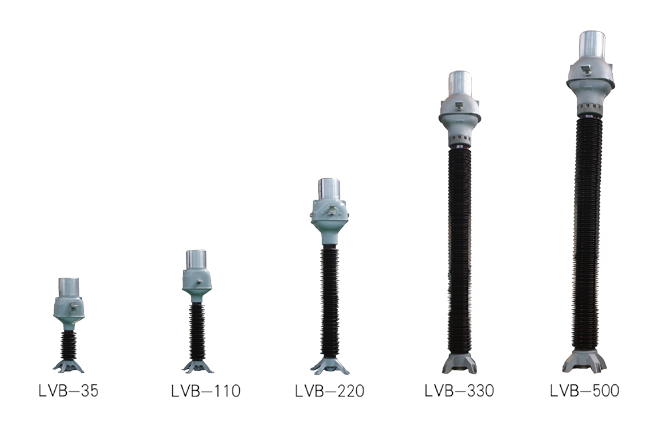
LVB Series 35-500kV Oil-immersed Inverted Current Transformer
Shandong TaiKai Instrument Transformer Co., Ltd.