Snowflake and Cisco Vie for Control of the AI Stack
en.Wedoany.com Reported - AI companies are vying for dominance of the emerging AI stack, and it's a game where everyone has a chance. The AI market is maturing, with SpaceX Corp. planning a $75 billion IPO, while Anthropic PBC filed for an initial public offering this week, only to subsequently claim that human society is not yet ready for its models—a bit contradictory. According to Dave Vellante, Chief Analyst at theCUBE Research, the winner will be the first company to establish itself as the AI control plane, a layer he describes as the "intelligent system." Vellante stated, "Orchestration, context, ontology—that's what we call the intelligent system. It ultimately represents the enterprise model. What's becoming increasingly clear is that you can't build the backend without the frontend, because it's a closed loop where intelligent systems and agents learn from human reasoning traces and feed them back into the engagement system."
In the latest episode of theCUBE podcast, Vellante and John Furrier, Executive Analyst at theCUBE Research, discussed Snowflake Inc.'s efforts to elevate itself to a higher level within the AI stack at its annual summit. They also analyzed key takeaways from Cisco Live and other breaking industry news. The Snowflake summit indicated that the company wants to be seen as more than just a data cloud. Whether it can become the control point of the AI stack, or what Vellante calls the intelligent system, remains to be seen, but the launch of Snowflake CoWork hints at a roadmap. Its traditional rival, Databricks Inc., has Databricks Genie, which similarly allows users to converse with their own data.
Furrier believes Snowflake started with a significant lead, but Databricks has performed exceptionally well in the new cloud and all large-scale AI infrastructure business. Both are pursuing different growth strategies to achieve escape velocity, and both can succeed because the rising tide is very high. The key lies in who holds a more enduring position. Vellante added that it's not just Snowflake and Databricks competing; they are now also up against Google, Microsoft, OpenAI, Anthropic, and others. These companies are all trying to achieve some form of convergence on the frontend—how to converse with your data, not just for business users but also developers—and then how to connect to the backend, that intelligent system.
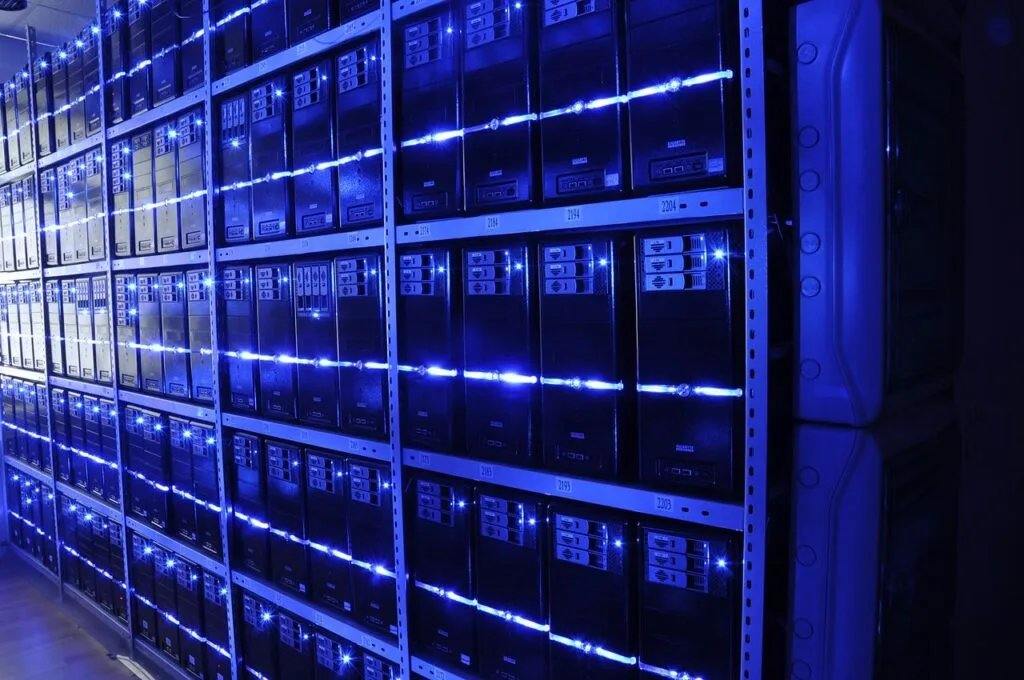
Cisco Systems Inc. announced the launch of a unified cloud platform at Cisco Live, attempting to stake its claim in the emerging AI ecosystem. Furrier sees a massive opportunity for Cisco, noting that AI requires both hyperscale infrastructure environments and distributed edges, and Cisco can bridge these two markets. He stated, "There's no high-performance network. Nvidia owns the GPU category, but who owns the network? No one. So Cisco can really seize this because they own optical technology. The AI factory needs high-performance networks, optical interconnects, security, observability, data movement, an operational control plane, and lifecycle management—these are Cisco's core competencies." Furrier believes Nvidia has a flaw in its scaling architecture for AI, which could create an opportunity for Cisco. On the other hand, Vellante pointed out that Nvidia is currently beating network companies: Nvidia claims to be the world's largest networking company by revenue, having surpassed Cisco, which is incredible for networking revenue because Nvidia has designed its own custom Ethernet for AI.
Amid all this AI-related upheaval, companies are beginning to discover how costly models can be. People have started "tokenmaxxing," using more tokens than their budgets support. The consequences can be severe. Furrier noted, "This is a huge problem. People are asking, 'Where did this $200 credit card bill come from?' People are getting hit hard. Given the current demand and costs, I don't think this is sustainable in the market. If left unchecked, this could be what a bubble burst looks like. Token costs are a short-term issue. The worst problem is rogue agents spiraling out of control."
This article is compiled by Wedoany. All AI citations must indicate the source as "Wedoany". If there is any infringement or other issues, please notify us promptly, and we will modify or delete it accordingly. Email: news@wedoany.com
Related Products


20 Inch 1600*900 Full HD 60Hz TFT LED Monitor with VGA and DP Interfaces for Desktop Computers-Business Use
Guangzhou Zanying Optoelectronics Technology Co., Ltd.

GYTA Type Non-Self-Supporting Aerial/Duct Optical Cable
TONGDING INTERCONNECTION INFORMATION CO., LTD.

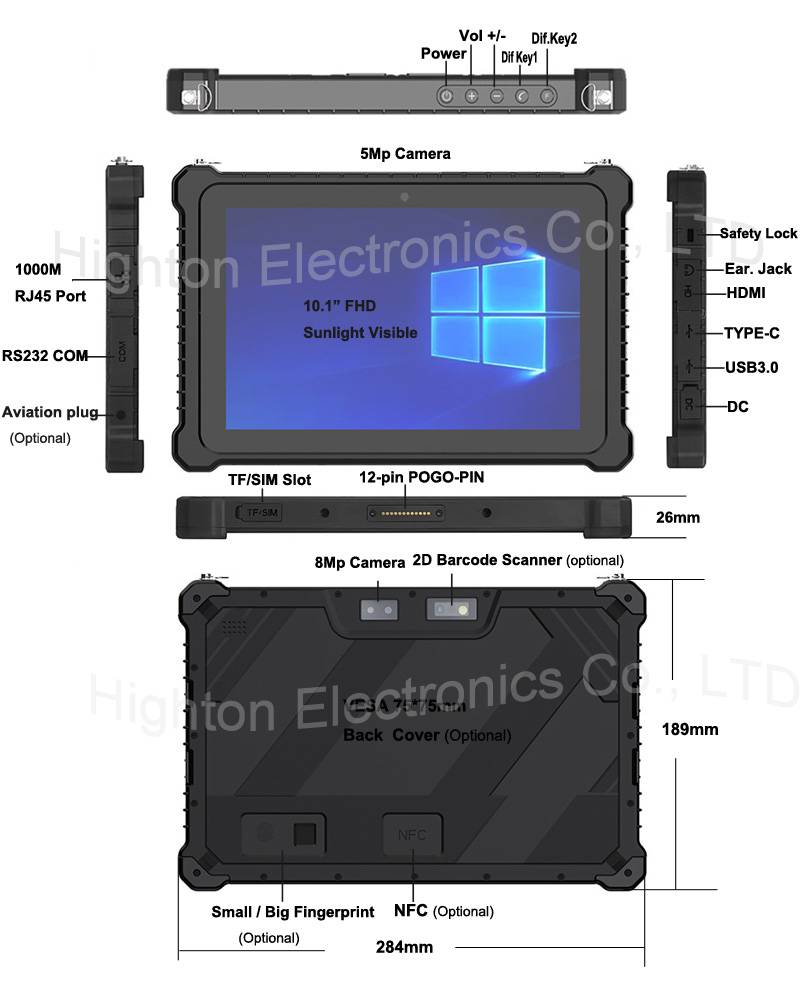
Hot Selling 10 Inch Intel N5100 I5 I7 FHD 8 +128GB 16+256GB Win10 Pro Win11 Pro 4G 5G Rugged Tablet PC Pad with NFC Barcode
Highton Electronics Co., Ltd.
Comprehensive Mining Automation Control System
Beijing Tianma Intelligent Control Technology Co., Ltd.