en.Wedoany.com Reported - Koami Soulemane Hayibo (from Togo), a doctoral student in the Department of Electrical and Computer Engineering at Western University, has developed a foam-based floating photovoltaic system designed to address the technical challenges faced by floating solar photovoltaic (FPV) systems in cold climates. The research, titled "Illuminating foam-based floating solar panels and their interaction with Canadian water bodies," was published in the journal Applied Energy.
Over the past decade, floating solar photovoltaics have become a significant development direction in the global solar industry. It is estimated that global new installations will reach 1.5 to 2 gigawatts in 2025, with cumulative installed capacity exceeding 10 gigawatts. However, the system's adaptability in cold climates still requires improvement, particularly as the cooling effect on panels becomes a disadvantage in low-temperature environments.
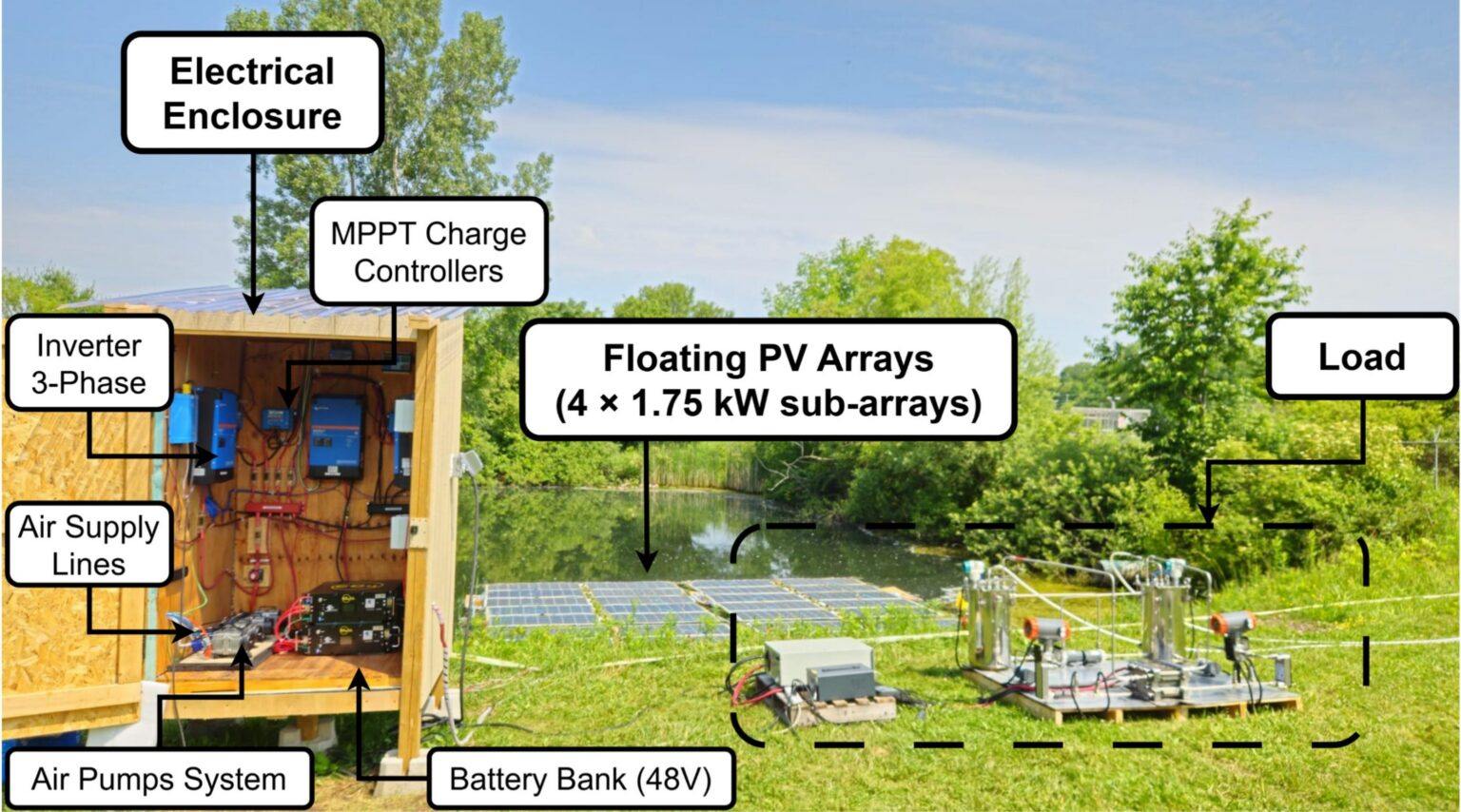
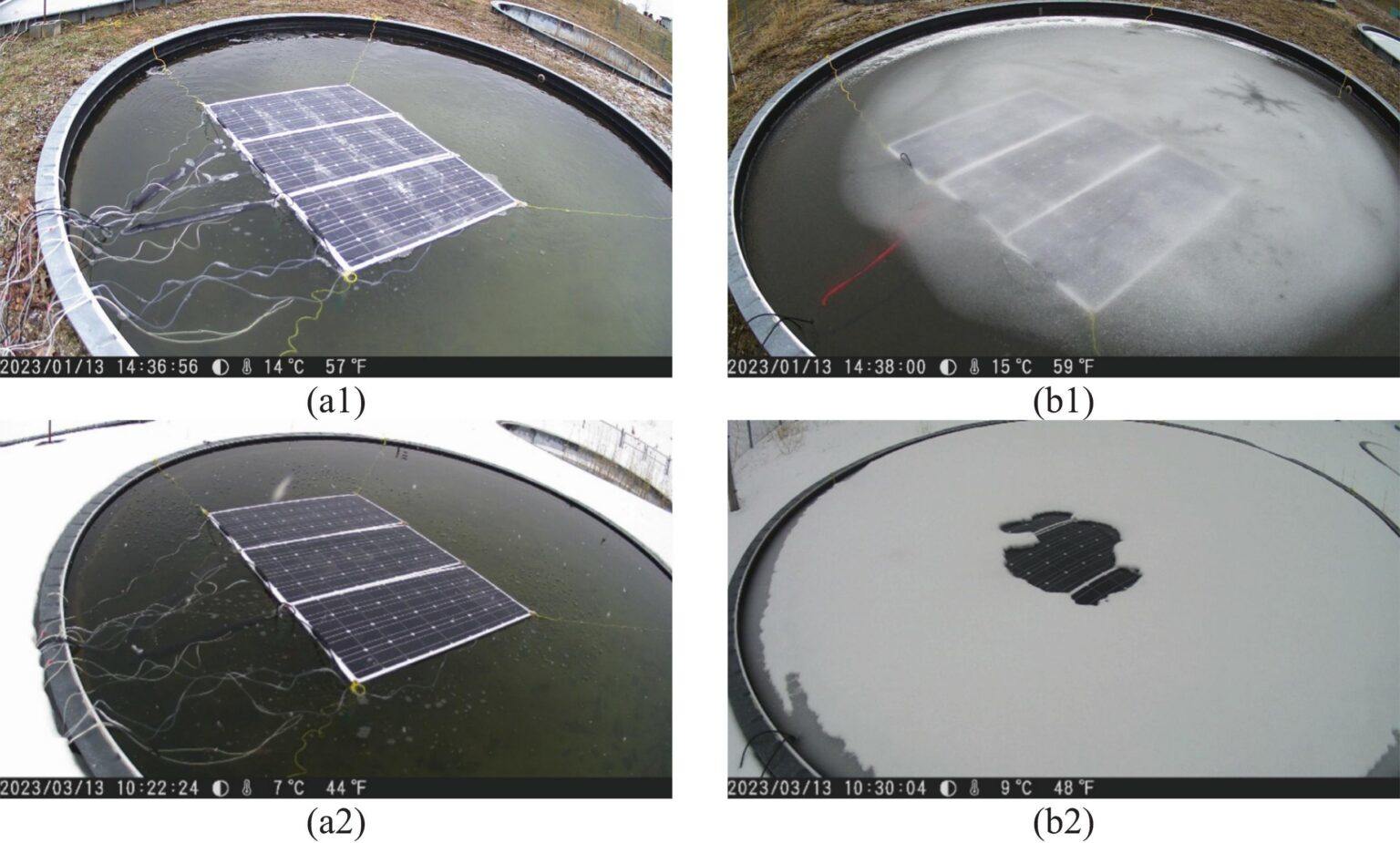
Hayibo's foam-based floating photovoltaic system secures solar modules on polyethylene foam boards (instead of typical plastic bases), allowing the panels to float approximately 1 centimeter above the water surface. The system prevents ice formation through built-in insulation layers and an air aerator, with extremely low overall energy consumption. The study indicates that compared to other photovoltaic models, the foam-based FPV generates higher annual electricity output, attributed to precise modeling of temperature effects in cold climates. Additionally, the system can conserve water by reducing surface evaporation.
"We also found a fairly significant energy output advantage. Compared to other photovoltaic models, the foam-based FPV produces more energy annually, highlighting the importance of precise temperature modeling for cold-climate systems," said Joshua M. Pearce, co-author of the paper, to pv magazine. "The study also demonstrated that FPV-based evaporation reduction is beneficial for water conservation. But best of all, the foam-based FPV is economical while addressing FPV issues in cold climates."
"These advancements lay a solid foundation for future research on larger scales and in different water bodies, making FPV a viable technology for sustainable energy expansion not only in warm climates but also in cold regions," Pearce concluded. The full scientific article is available in the journal Applied Energy.
This article is compiled by Wedoany. All AI citations must indicate the source as "Wedoany". If there is any infringement or other issues, please notify us promptly, and we will modify or delete it accordingly. Email: news@wedoany.com