en.Wedoany.com Reported - The International Telecommunication Union (ITU) World Radiocommunication Conference 2027 (WRC-27) will become a critical battleground for the global space industry, determining the dominance of the Low Earth Orbit (LEO) economy. This warning was issued by former U.S. Coordinator for International Communications and Information Policy, now Senior Advisor at Crest Hill Advisors and Ambassador (ret.) Stephan Lang, in a commentary article for SpaceNews.

The four-week summit, scheduled for October 11 to November 12, 2027, in Shanghai, China, is expected to bring together over 4,000 delegates from 194 member states to revise the global Radio Regulations. Radio spectrum is a limited natural resource; the frequency bands used to transmit high-speed data from satellites to smartphones, ground stations, and military outposts cannot overlap, as this would cause signal interference. Approximately 80% of the WRC-27 agenda is strictly focused on space-based services. The conference will finalize international treaties governing three explosive technological areas: spectrum rules for direct-to-device (D2D) services (currently driven by companies such as SpaceX, AST SpaceMobile, and Lynk), spectrum sharing among competing mega-constellations (to avoid blinding each other's sensors), and the allocation of foundational frequencies for sixth-generation terrestrial and orbital wireless networks.
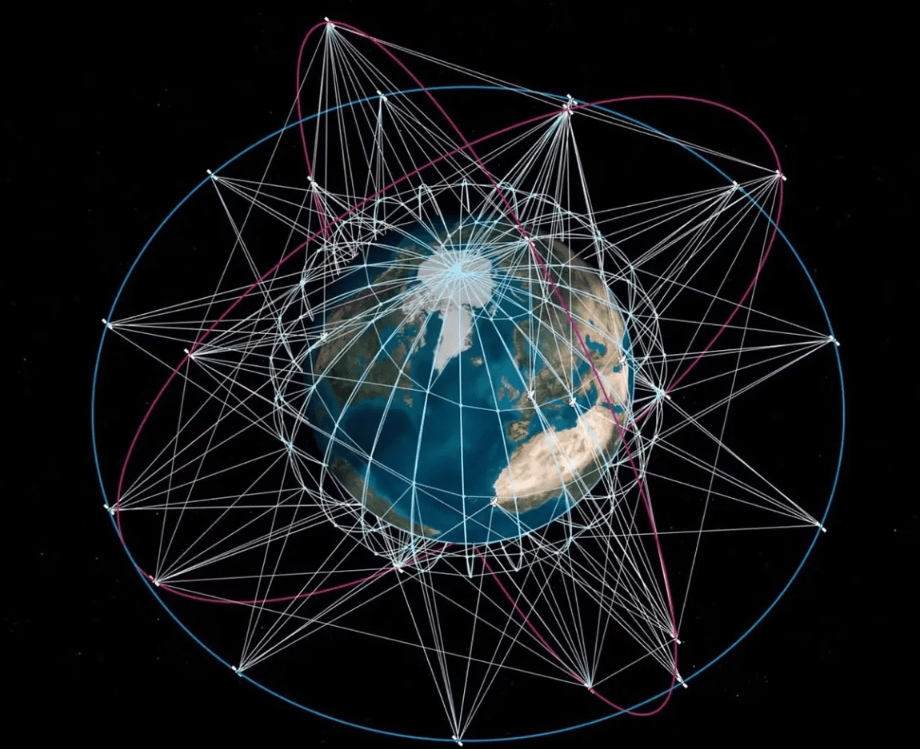
The ITU's selection of Shanghai to host WRC-27 has heightened geopolitical tensions. The U.S. commercial space sector, led by SpaceX's Starlink, holds a first-mover advantage in LEO deployments, while Beijing is executing an aggressive catch-up strategy. China recently submitted intentions to the ITU to deploy over 200,000 commercial and sovereign internet satellites, including its "Thousand Sails" (Qianfan) mega-constellation, aiming to dismantle Western orbital dominance. During a March 2026 Senate hearing on WRC-27 preparations, committee members warned the U.S. against complacency. Observers noted that China could leverage its home-field advantage to build alliances with developing nations, lobbying for a spectrum allocation framework favorable to state-led sovereign constellations.
Space activities cannot proceed without international regulatory approval. If the ITU votes against a company's operational spectrum rights, its multi-million-dollar satellites would effectively become "space bricks" incapable of communication. As the October 2027 summit approaches, behind-the-scenes diplomatic maneuvering is intensifying. WRC-27 is becoming a defining moment for global connectivity; the nation that takes away the most spectrum from Shanghai is likely to dominate the rules of the next-generation orbital economy.
This article is compiled by Wedoany. All AI citations must indicate the source as "Wedoany". If there is any infringement or other issues, please notify us promptly, and we will modify or delete it accordingly. Email: news@wedoany.com