India's RVUNL Plans to Commission 1,000 MWh Battery Storage by September
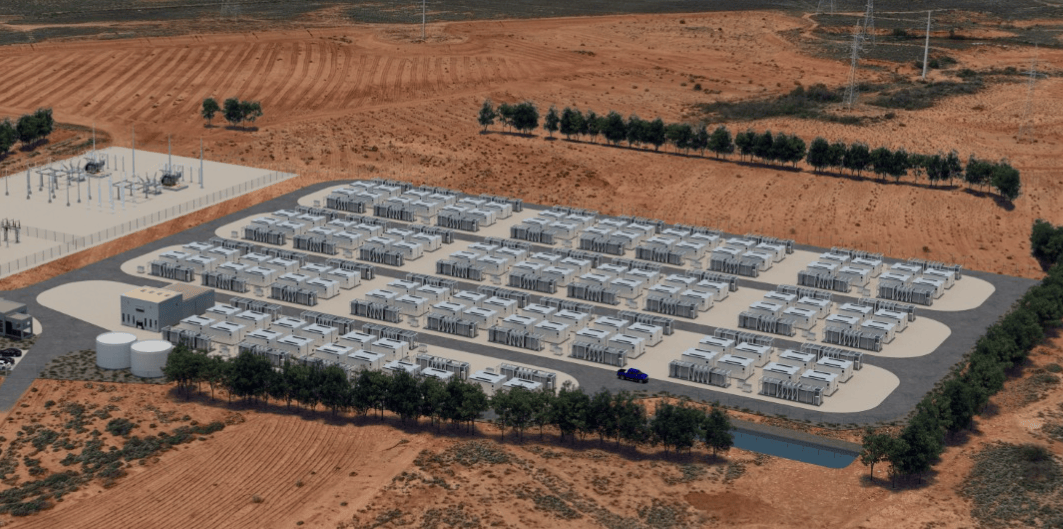
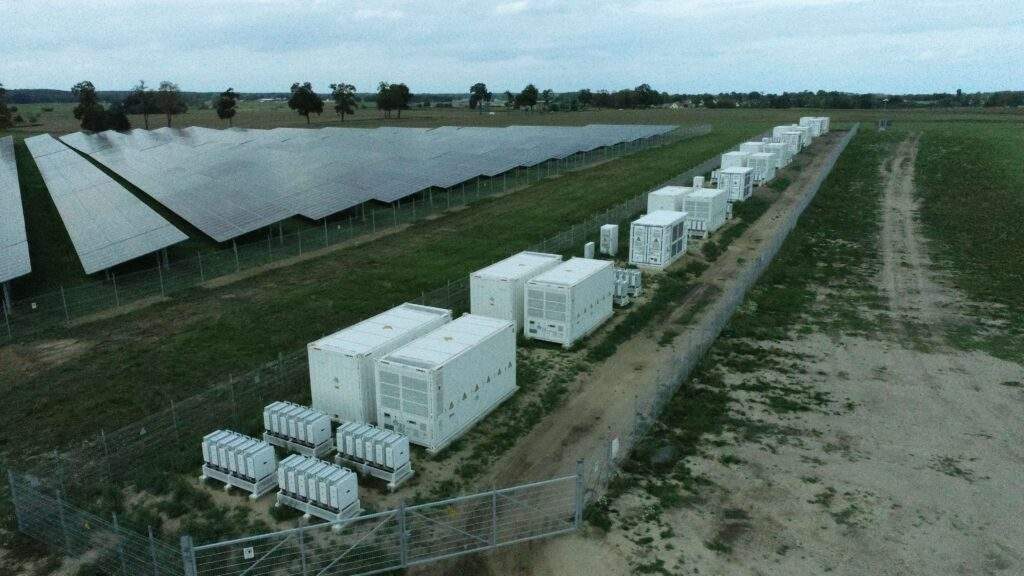
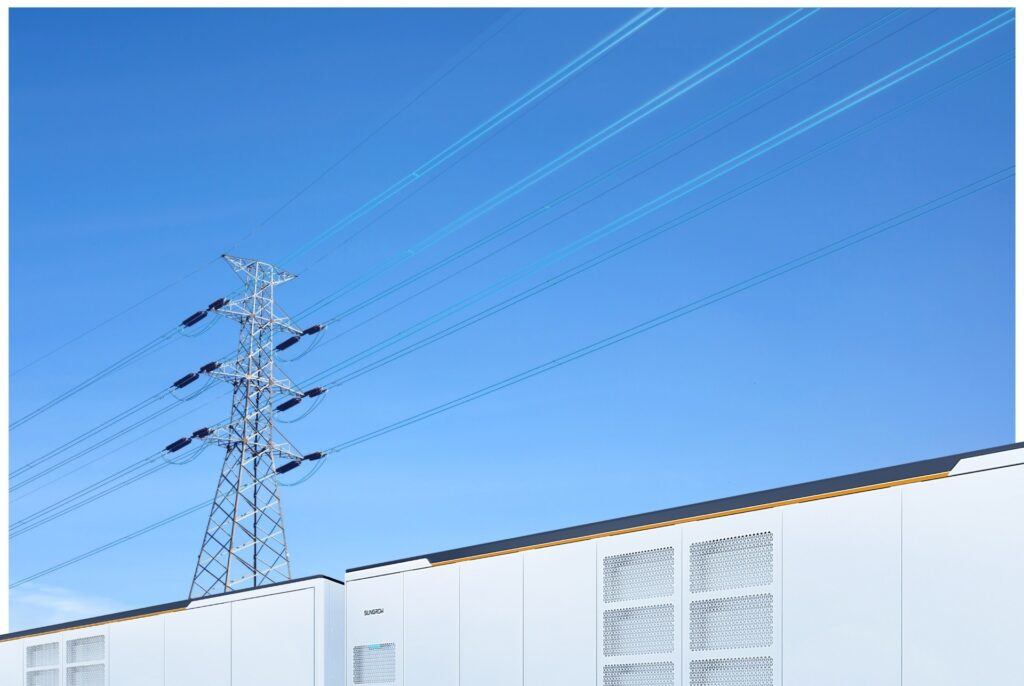
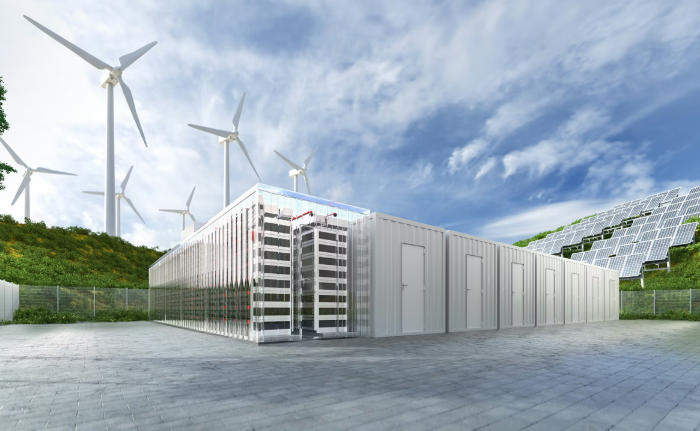
en.Wedoany.com Reported - Rajasthan Rajya Vidyut Utpadan Nigam Ltd (RVUNL) plans to commission the first 1,000 MWh of battery storage capacity by September, as part of the state's planned 6,000 MWh overall energy storage deployment. The remaining 5,000 MWh capacity is expected to be completed by September 2027. Officials stated that this initiative aims to reduce curtailment losses from excess solar power generation and strengthen the state's renewable energy grid, with the initial deployment prioritizing the integration of variable renewable energy output into the grid.
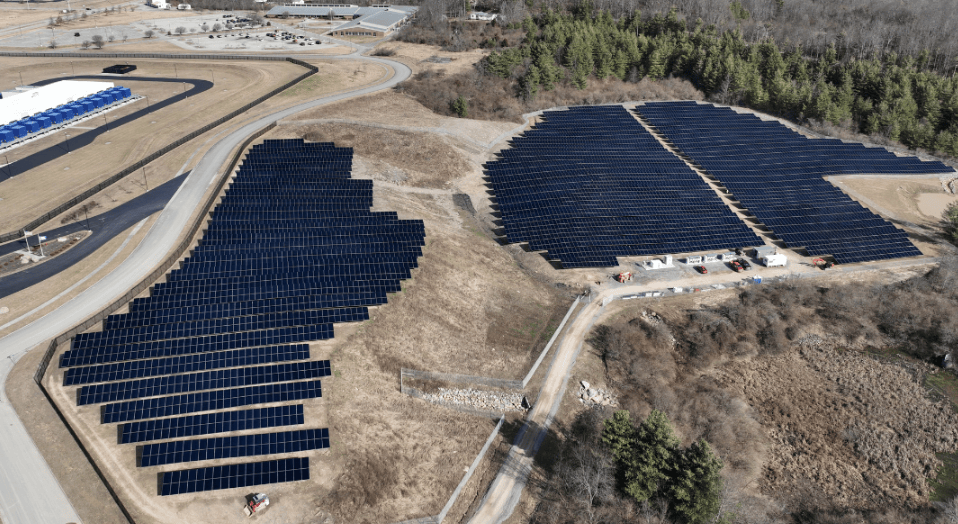
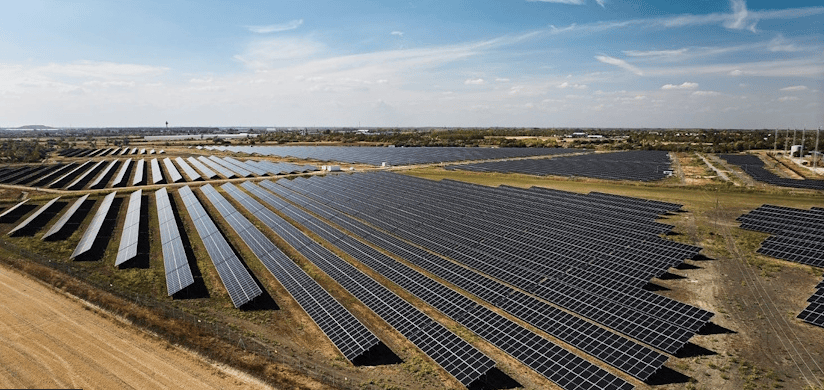
Rajasthan Renewable Energy Corporation Ltd (RRECL) plans to add 6,000 MWh of energy storage at the under-construction Pugal Solar Park to support 2,450 MW of solar capacity. However, the project requires approval from the regulatory commission before tenders can be initiated. This configuration co-locates energy storage with solar power generation to improve equipment utilization rates, with the project timeline depending on regulatory approval progress and procurement pace.
The Rajasthan Electricity Regulatory Commission (RERC) has issued Battery Energy Storage System (BESS) regulations, providing an institutional framework for the planning, procurement, ownership, and operation of energy storage assets in the state's power sector. Under these regulations, distribution companies and state transmission companies must periodically assess energy storage needs and identify substations suitable for battery deployment. The regulations allow for multiple ownership models, including systems held by utilities, developers, or consumers.
Battery energy storage systems are expected to store excess solar power during the day and release it during evening peak demand hours, thereby improving grid efficiency and stabilizing voltage and frequency. For large utility-scale projects, competitive bidding is required to ensure cost competitiveness and transparency. Officials believe that deploying energy storage can reduce renewable energy waste and defer investments in some conventional power sources.
Upon full completion of the plan, the state will add approximately 12,000 MWh of energy storage capacity to enhance grid reliability and achieve a higher penetration of renewable energy. These deployments aim to reduce curtailment losses and optimize solar resource utilization at a lower total system cost. The phased construction schedule extending to September 2027 will align the pace of energy storage development with evolving grid demands.
This article is compiled by Wedoany. All AI citations must indicate the source as "Wedoany". If there is any infringement or other issues, please notify us promptly, and we will modify or delete it accordingly. Email: news@wedoany.com
Related Products

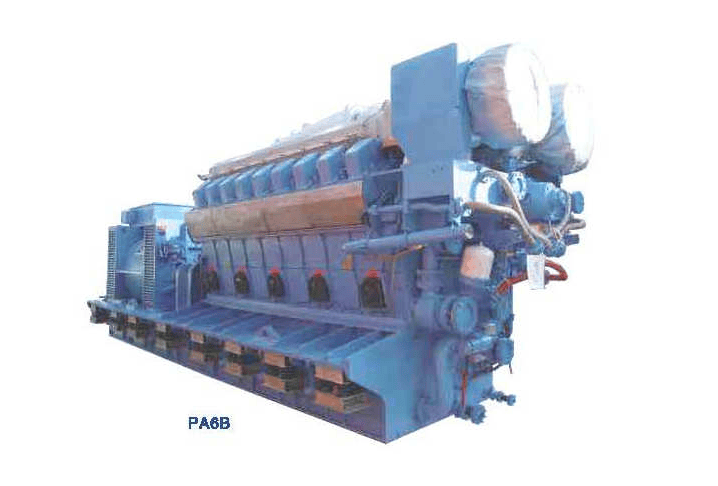
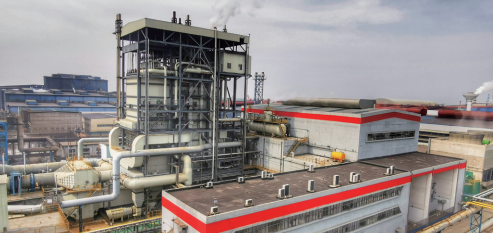
Jiujiang Pinggang 125MW Subcritical Gas Power Generation Project
Capital Engineering & Research Incorporation Limited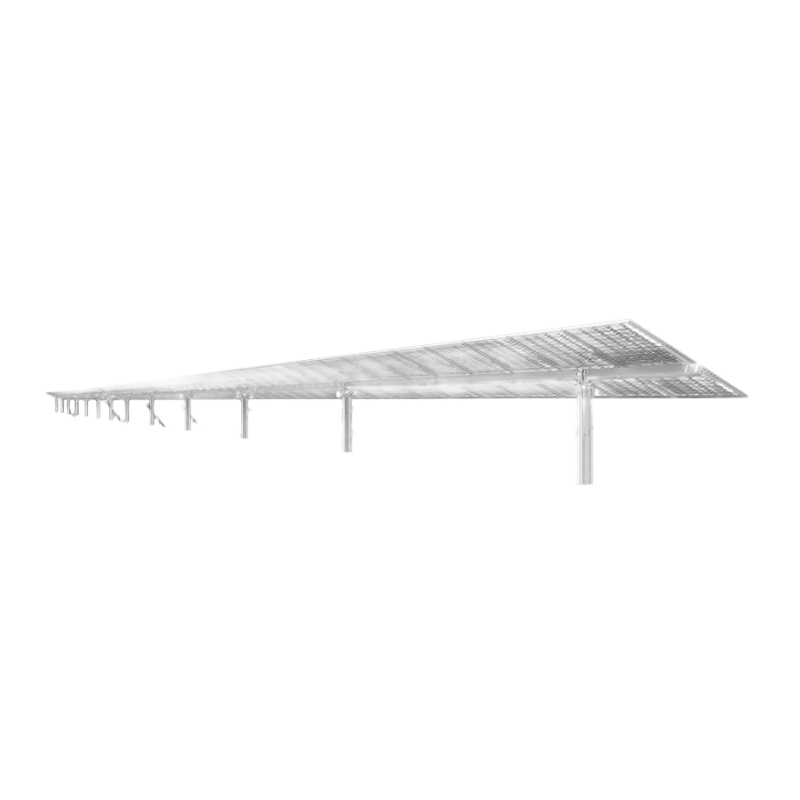
TAI Slew-drive Single-axis Independent 1P Tracking Bracket System
ANTAI TECHNOLOGY CO., LTD.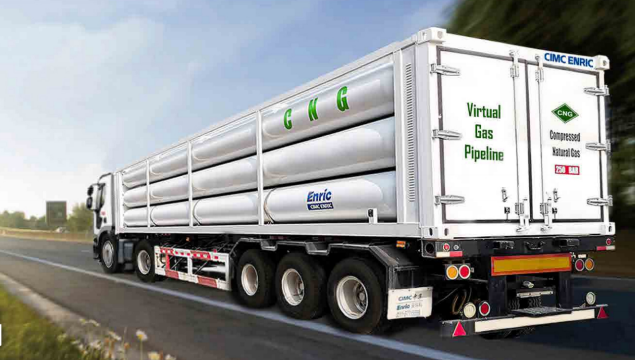
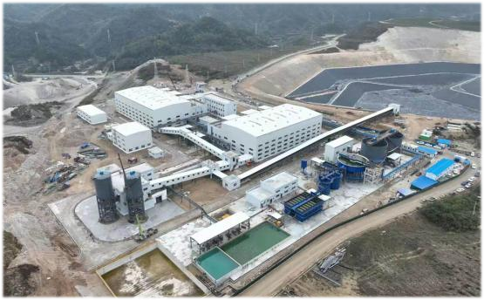
Yingping Mining Section Open-pit Tailings Backfill Treatment of Goaf Ecological Restoration EPC Project
China Bluestar Lehigh Engineering Corporation
Perfluorinated Ionic Membrane-CM-10N Series Membrane
Guizhou Juneng Century Technology Co., Ltd