Teams from South Korea, Saudi Arabia, and Other Countries Develop Ambient Air-Processed Perovskite Tandem Solar Cell with 31.72% Efficiency
en.Wedoany.com Reported - Researchers from UNIST (Ulsan National Institute of Science and Technology, South Korea), KAUST (King Abdullah University of Science and Technology, Saudi Arabia), The Chinese University of Hong Kong, Shenzhen (CUHK Shenzhen), and Forschungszentrum Jülich have developed a ternary self-assembled monolayer (SAM) interface engineering method, enabling the fabrication of perovskite solar cells and perovskite/silicon tandem cells in ambient air. The wide-bandgap perovskite cell achieved an efficiency of 21.20% in air, while the monolithic tandem cell reached a conversion efficiency of 31.72% (certified at 31.36%), compared to 32.60% under inert conditions.
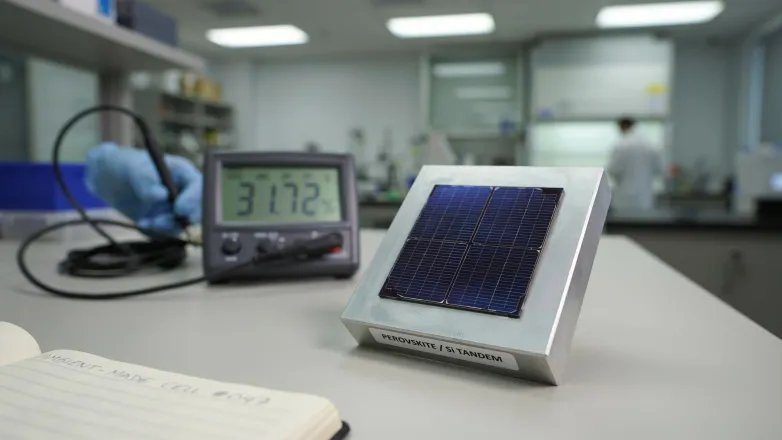
Conventional phosphonic acid SAMs used as hole-selective contacts degrade in the presence of moisture, leading to non-uniform coverage and exposure of the underlying electrode during air processing. The ternary SAM designed by the research team combines glycerol dimethacrylate (GDMA) and 1-acetylguanidine (AG). GDMA improves wettability during deposition and forms a hydrophilic network upon mild curing to anchor the layer, suppressing the risk of damage during perovskite coating; AG is responsible for passivating interfacial defects. In durability tests, the device retained over 92% of its efficiency after 600 hours in air at 85°C, and over 90% after 1,000 hours under continuous simulated sunlight.
This article is compiled by Wedoany. All AI citations must indicate the source as "Wedoany". If there is any infringement or other issues, please notify us promptly, and we will modify or delete it accordingly. Email: news@wedoany.com
Related Products
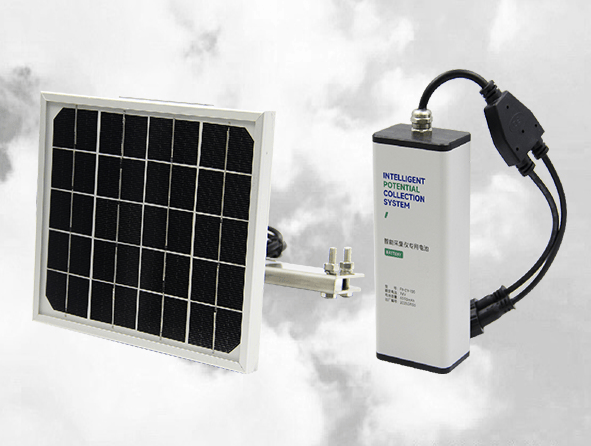

Inductive Power Harvesting Self-Powered Device - Safuneng
SELF ENERGY TECHNOLOGY (SHENZHEN) CO., LTD.
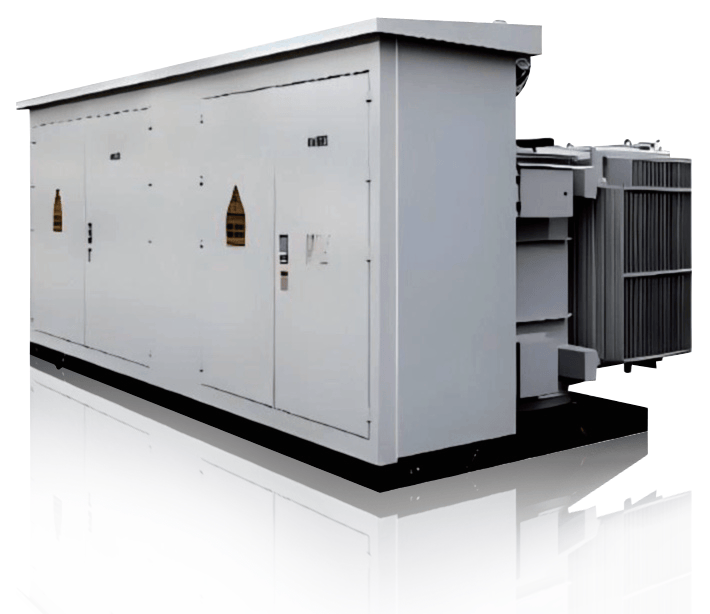
H-40.5/0.4~1.14kV New Energy Power Generation Dedicated High Voltage/Low Voltage Prefabricated Substation
XJ (Xiamen) Intelligent Power Equipment Co., Ltd.
Hydrogen Production Technology: Hydrogen Purification by Pressure Swing Adsorption
Chengdu Yizhi Technology Co., Ltd.
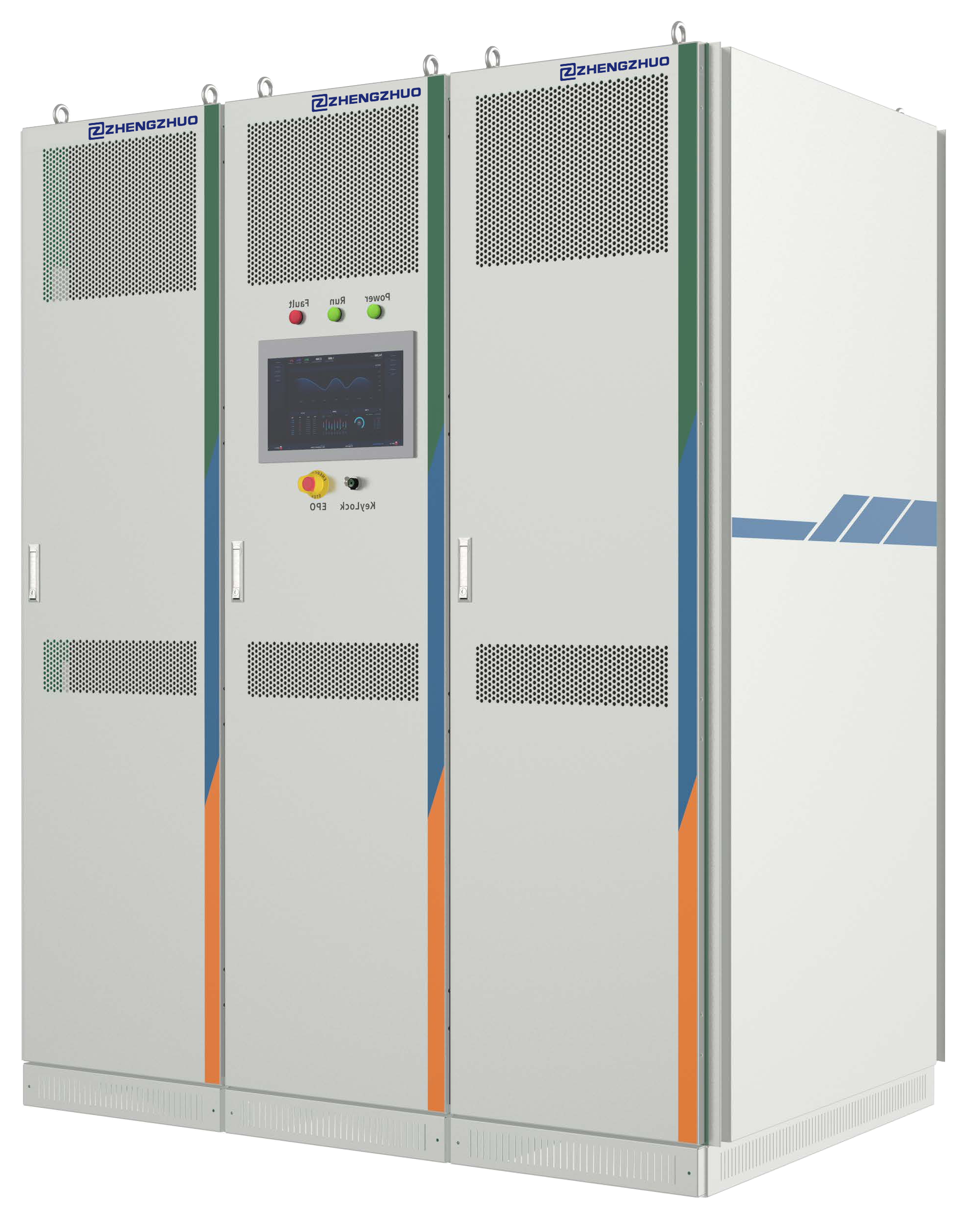
IGBT Hydrogen Production Power Supply - High Power Air Cooling
Beijing Zhengzhuo Engineering Technology Co., Ltd.

Mineral-insulated Compact Busway (Fire-resistant Busduct)
Zhuhai Guangle Electric Busway Co., Ltd.