en.Wedoany.com Reported - The Geological Survey of Brazil (SGB) and the Geological Survey of Canada (GSC) have recently launched a technical cooperation aimed at applying artificial intelligence technology to mineral potential research, with a focus on nickel deposits. This cooperation is based on the Technical Cooperation Agreement (ACT) signed in March 2026.
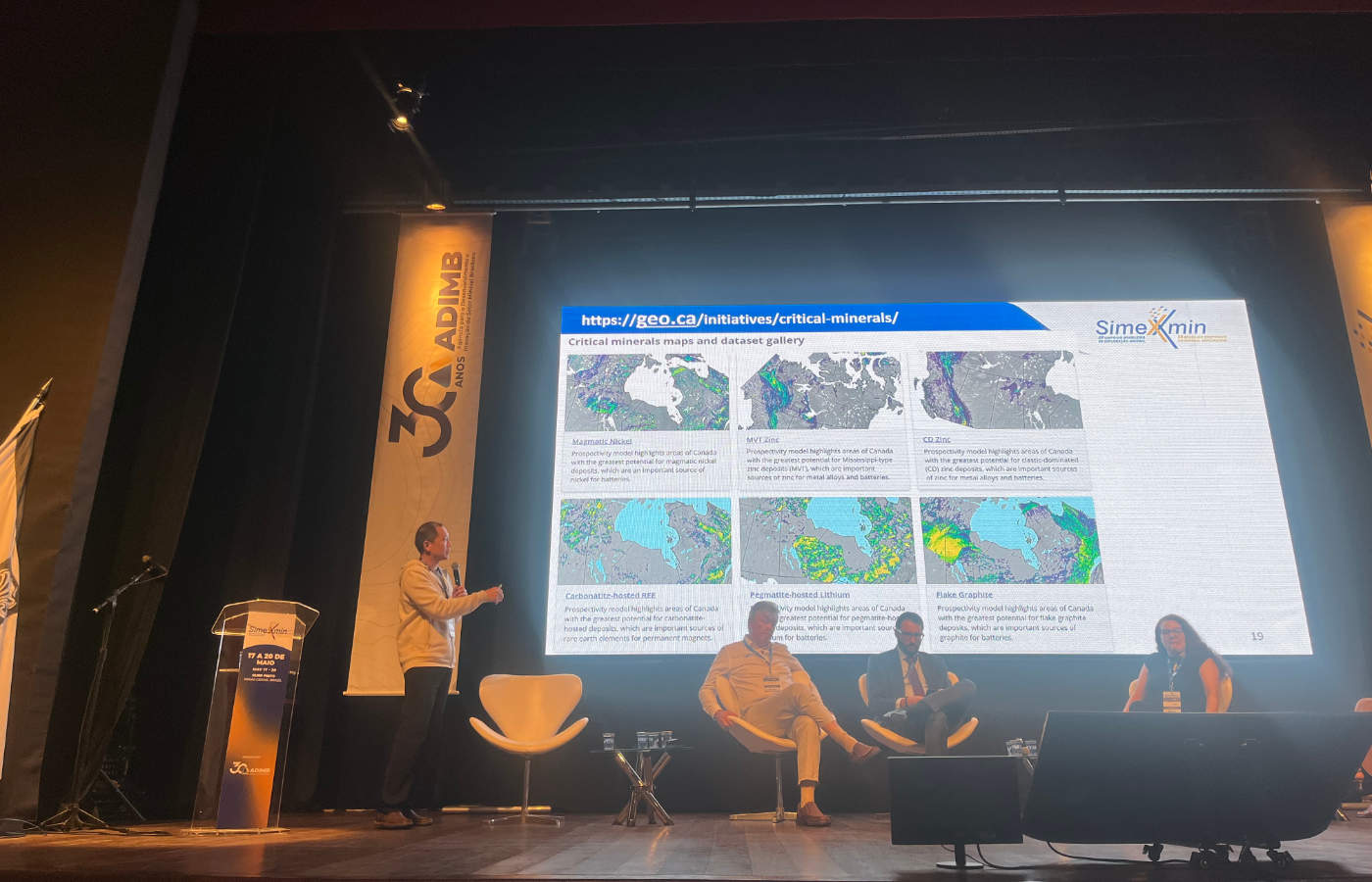
The initial activities of this cooperation were officially launched during the 12th Brazilian Symposium on Mineral Exploration (Simexmin 2026), with technical visits continuing from May 22 to 27 in Salvador (Bahia State).
The cooperation aims to develop an integrated approach combining geological, geochemical, geophysical, and remote sensing data. Plans include training, technical visits, and the use of artificial intelligence for mineral potential modeling. These studies are conducted under the "Brazil Nickel Project," coordinated by researcher Lila Queiroz from the Geological and Mineral Resources Management of Salvador (GEREMI-SA).
Lila Queiroz stated that the alliance creates opportunities for Brazil to develop innovative methods and strengthen the technical capacity of its team. She believes this initiative represents a significant step in the internationalization of SGB activities and the introduction of new technologies in strategic mineral exploration projects, strengthening scientific cooperation between Brazil and Canada and contributing to the generation of knowledge on critical and strategic mineral resources for the energy transition.
As part of the initial activities, GSC researchers Geneviève Marquis and Steven E. Zhang participated as invited speakers at Simexmin 2026. During the event, they presented the cooperation agreement and Canada's experience in using artificial intelligence and machine learning to identify favorable areas for mineral deposits.
After the symposium, Steven Zhang visited the SGB regional office in Salvador (SUREG-SA) and conducted a training session on "Mineral Exploration Based on Public Geoscience and Geodata Science: Data Acquisition, Theory, and Practice."
The cooperation was formally established in March during PDAC 2026, with the Technical Cooperation Agreement (ACT) signed by SGB Executive Director Vilmar Simões, Director of Geology and Mineral Resources Valdir Silveira, and Director of the Geological Survey of Canada Geneviève Marquis.
SGB Director-General Vilmar Simões believes that this cooperation enhances the institution's technical capacity and expands possibilities for innovation in mineral research. He stated that the alliance is strategic because it allows both parties to exchange experiences and advance the use of more modern methods to identify areas with mineral potential. Both Brazil and Canada will benefit from this cooperation, and its impact extends beyond this, contributing to meeting the demand for strategic minerals required for the global energy transition.
The results of the technical cooperation between Brazil and Canada are expected to be announced by the end of 2028.
This article is compiled by Wedoany. All AI citations must indicate the source as "Wedoany". If there is any infringement or other issues, please notify us promptly, and we will modify or delete it accordingly. Email: news@wedoany.com