en.Wedoany.com Reported - Vale will invest up to 130 billion reais in decarbonization initiatives as part of its strategy to reduce emissions, mitigate climate risks, and achieve voluntary sustainability goals. This information was disclosed in the company's "2025 Sustainability-Related Financial Information Report" released this Monday (15th).
The investment amount includes up to 40 billion reais for decarbonizing the mining company's operations, up to 80 billion reais for proprietary technology development and partnerships related to the steel industry transition and iron ore briquette production, in addition to up to 10 billion reais for research and development investments. Of the operational decarbonization funds, 24% will be allocated to the medium term and 76% to the long term, while investments related to the steel industry transition are primarily focused on building industrial complexes called Mega Hubs, designed to promote production with lower carbon intensity.
Since 2020, Vale has cumulatively invested 90 billion reais in decarbonization projects, with the amount calculated through the end of 2025. Grazielle Parenti, the company's Executive Vice President of Sustainability, stated that these investments not only help reduce environmental impact but also create business opportunities and strengthen corporate risk management. The company's strategic projects are evaluated considering environmental, social, and governance (ESG) criteria, thereby identifying potential risks and opportunities associated with each project.
The report also indicates that the mining company may face present value costs of up to 220 billion reais related to carbon pricing mechanisms. The most significant financial impacts are expected to begin in 2030 and will depend on the company's progress toward its emission reduction targets. Vale's exposure is linked to the advancement of climate regulations in the different markets where it operates, including the European Union's Carbon Border Adjustment Mechanism (CBAM), Brazil's emissions trading system, China's carbon market, and other international pricing models.
In 2025, the mining company's Scope 1 and Scope 2 emissions were 25.3% lower than 2017 levels, slightly below the 26.6% reduction recorded the previous year. For Scope 3, which covers indirect emissions in the value chain, cumulative reductions reached 8.2% compared to the 2018 baseline year, while the figure reported for 2024 was 11.2%. According to the company, this result reflects factors such as increased production and sales volumes.
Vale emphasizes that it is the first mining company in the world and the first in Brazil to publish a report compliant with the International Sustainability Standards Board (ISSB) standards released last year. In the 2025 version, the company expanded its risk and opportunity analysis to include topics such as tailings dam safety, environmental licensing, community relations, human rights, occupational health and safety, and the concept of circular mining. Grazielle Parenti stated that sustainability has become a strategic element for revenue generation, rather than merely playing a reputational role within the organization.
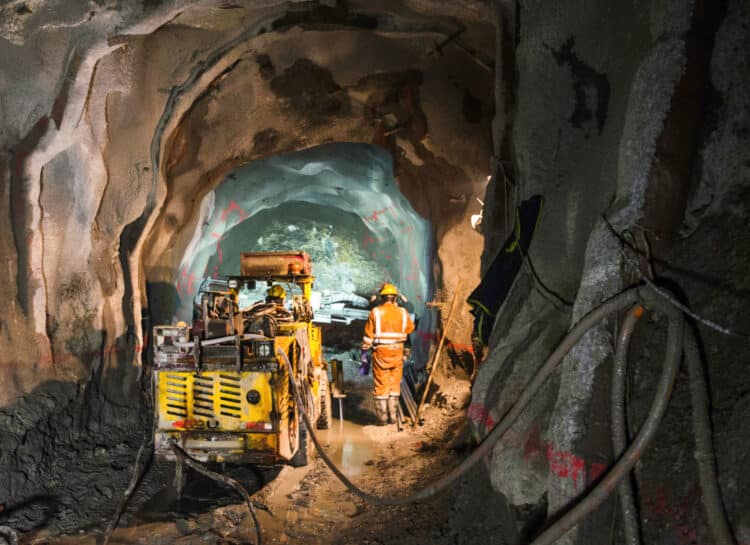
In terms of circular mining, Vale produced 26 million tons of iron ore through waste material reuse in 2025, an increase of 107% compared to the previous year. Currently, this method accounts for 8% of the company's total production, with a target to increase this share to 10% by 2030. The company believes that expanding circularity combines environmental and economic benefits, creating new business opportunities and improving the efficiency of mineral resource utilization.
This article is compiled by Wedoany. All AI citations must indicate the source as "Wedoany". If there is any infringement or other issues, please notify us promptly, and we will modify or delete it accordingly. Email: news@wedoany.com