en.Wedoany.com Reported - Rio Tinto Group released its interim financial results for the first half of 2026 on July 29. The three non-ferrous metal businesses—copper, aluminum, and lithium—collectively contributed over half of the Group's EBITDA, signaling that Rio Tinto, globally renowned for iron ore, is now advancing a diversified business portfolio.
As of June 30, Rio Tinto reported consolidated sales revenue of $31.028 billion for the first half of the year, up 15% year-on-year; EBITDA of $14.826 billion, up 28% year-on-year; free cash flow of $3.834 billion, a significant increase of 75% year-on-year; and net profit attributable to shareholders of $6.664 billion, up 47%, with the return on capital employed rising to 17%. The Group declared an interim ordinary dividend of $3.4 billion, up 43% year-on-year, maintaining a 50% interim payout ratio.
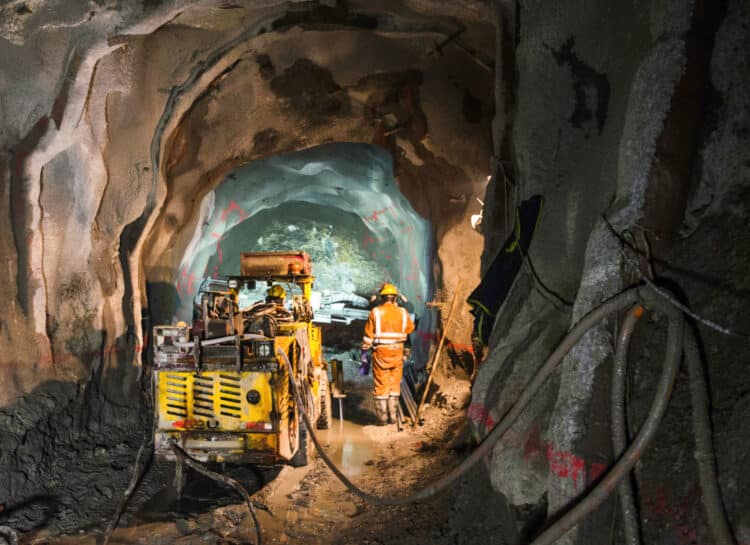
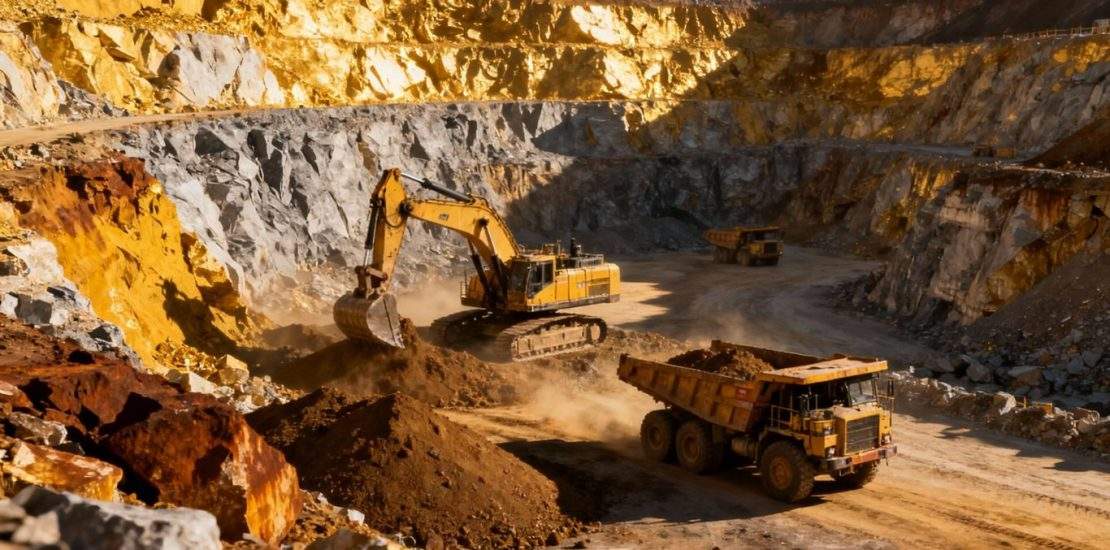
On the production front, Rio Tinto's copper equivalent production grew 3% year-on-year in the first half, driven primarily by the continued ramp-up of the Oyu Tolgoi copper mine in Mongolia and the concentrated commissioning of lithium projects. At the mine, a pilot project involving eight 91-tonne battery-electric trolley trucks, developed in partnership with China's State Power Investment Corporation, is over halfway through implementation, leveraging electrified mining to reduce carbon emissions at the site and achieve green, efficient production.
The aluminum segment is deepening its low-carbon transition, with multiple technological upgrade projects completed. The Boyne aluminium smelter in Australia has secured A$2 billion in government support over the next 10 years, potentially extending its operational life to 2040. The Gladstone alumina refinery has signed a 5-year long-term procurement agreement for biomass pellet fuel, effectively reducing fossil fuel consumption. The mining sites are simultaneously trialing electric equipment applications and clean energy substitution, with a 75 MW solar project having completed financing and expected to commence construction in 2026 and connect to the grid in 2028.
The release of lithium resource capacity has significantly exceeded expectations, emerging as a new growth engine for Rio Tinto Group. Both the Fénix 1B and Sal de Vida lithium projects were completed and commissioned ahead of schedule, while the Rincon lithium salt plant is progressing steadily with construction, targeting an annual capacity of 200,000 tonnes of lithium carbonate equivalent by 2028, further strengthening its position in the new energy core metals sector.
In terms of cost reduction and efficiency enhancement, Rio Tinto has achieved cumulative production efficiency gains of $870 million, with an annualized efficiency improvement of $1.3 billion in the first half, targeting $1.8 billion in annualized efficiency gains by the end of 2026. Under the established plan, using 2024 as the baseline, the Group's copper equivalent production will steadily increase by 3% by 2030, with unit operating costs declining at a compound annual rate of 4%. Regarding carbon reduction, using 2018 as the baseline, Scope 1 and 2 carbon emissions in the first half of 2026 totaled 15.9 million tonnes of CO2 equivalent, down 14% from the baseline, with a long-term target of a 50% reduction by 2030. On July 1, the Rio Tinto Management Operating System (MOS) was officially launched, unifying internal safety production and operational management standards.
In terms of asset optimization, Rio Tinto plans to complete approximately $5 billion in asset divestments by the end of 2026, with a medium-to-long-term cash release target range of $5 billion to $10 billion, with funds primarily directed toward high-return, high-quality growth projects. The Simandou iron ore mine completed its first shipment of high-grade ore in April this year, with construction of the SimFer mine and port infrastructure over three-quarters complete; three iron ore replacement mine projects in the Pilbara are progressing steadily on budget, with first ore expected in 2027.
Rio Tinto Group Chief Executive Officer Simon Trott stated that the Group achieved leapfrog growth in the first half, with revenues from the three core non-ferrous metal businesses—copper, aluminum, and lithium—exceeding half of the Group's total. Backed by strong cash flow reserves and a robust balance sheet, the Group will continue to invest in high-return growth projects while maintaining stable shareholder dividends.