en.Wedoany.com Reported - The Castilla y León Public Infrastructure and Environment Company has launched a tender for two district heating projects in the city of León, with a total budget exceeding €51.1 million, co-financed by the European Just Transition Fund. Once completed, the network will replace approximately 1,200 old fossil fuel boilers, supplying heat to 150 buildings and covering over 28,000 homes.
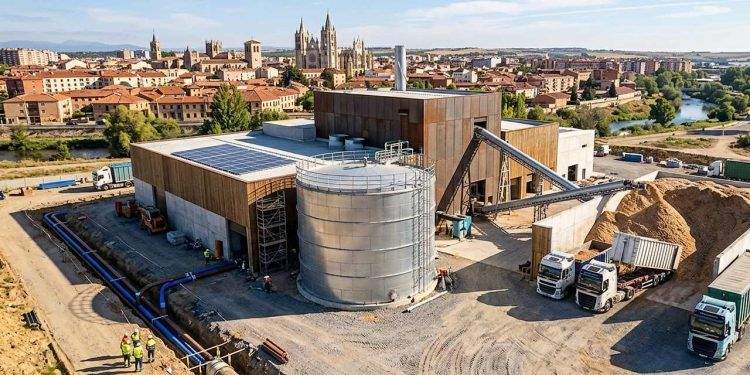
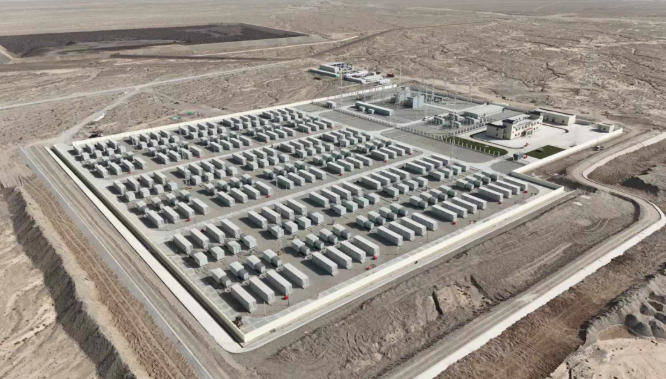
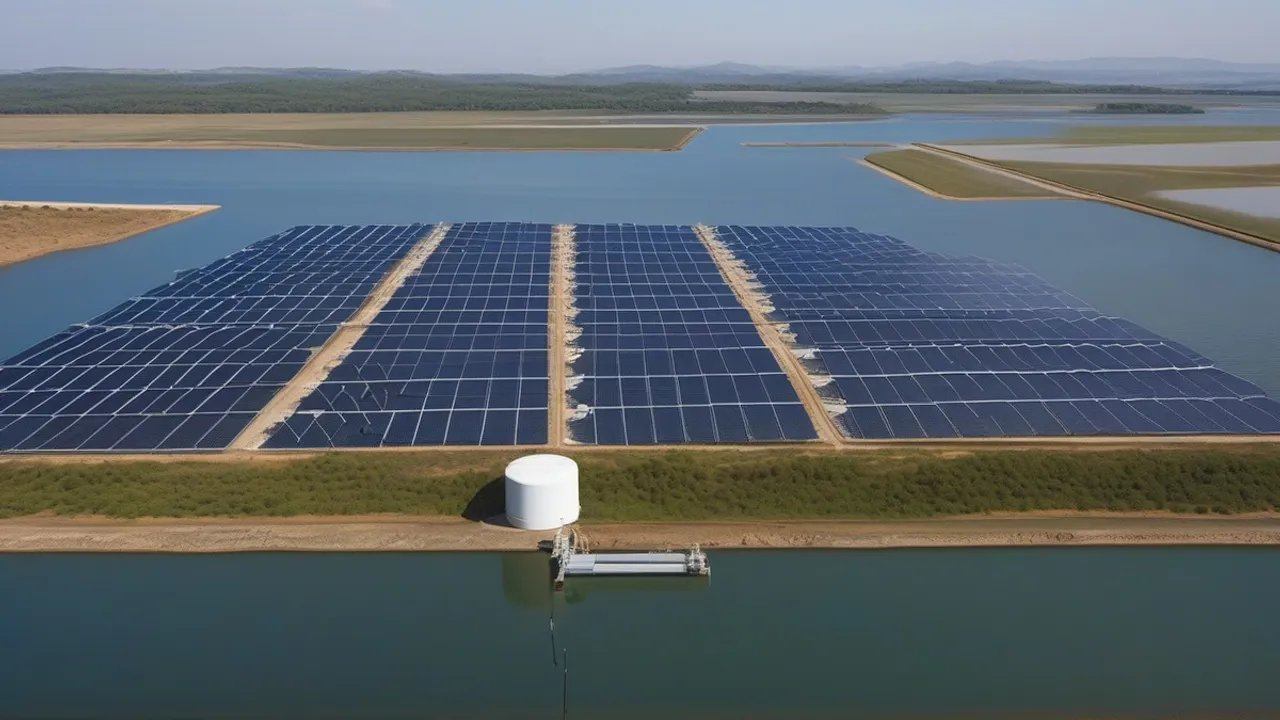
The León heating network will adopt a stable tariff indexed to the Consumer Price Index, allowing users to save up to 30% on heating costs annually. The budget for the thermal power plant is €34.48 million (excluding VAT), with a construction period of 24 months; the facility will occupy a 24-hectare site near the Southern Ring Road and the Bernesga River. The complex integrates solar photovoltaic, green hydrogen, and sustainably sourced wood chips, with an initial installation of two boilers with a total capacity of 44 MW, expandable to 88 MW in the future. The project is expected to consume 64,000 tonnes of forest biomass annually, generating 176 GWh of thermal energy and avoiding 35,000 tonnes of CO₂ emissions.
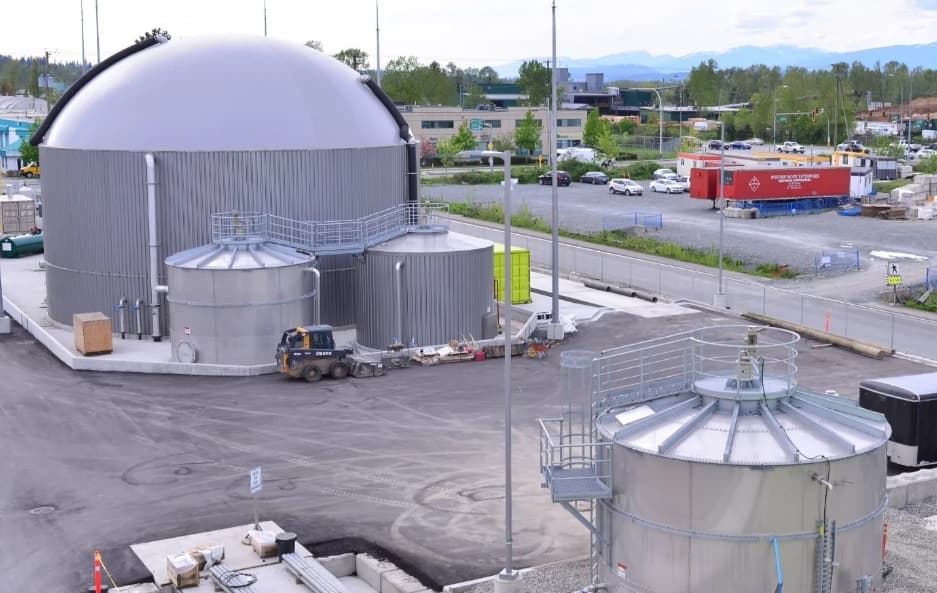
The network will integrate a 13-million-liter buffer storage tank to meet peak demand. The investment for the first phase of pipeline installation is €16.7 million (excluding VAT), including the underground laying of 28 kilometers of supply and return pipes for hot water distribution. The main pipeline starts from La Lastra, passing through Avenida del Parque, Calle Los Aluches, Calle José Aguado, Octavio Álvarez Carballo, Santa Ana, Pantón de Baeza, and Avenida Real. The supply area covers neighborhoods such as La Chantría, Las Labiadas, Polígono 10, El Ejido, and La Granja, with plans to extend to the León Hospital. The pipes are pre-insulated steel pipes lined with polyurethane foam and coated with a polyethylene protective layer.
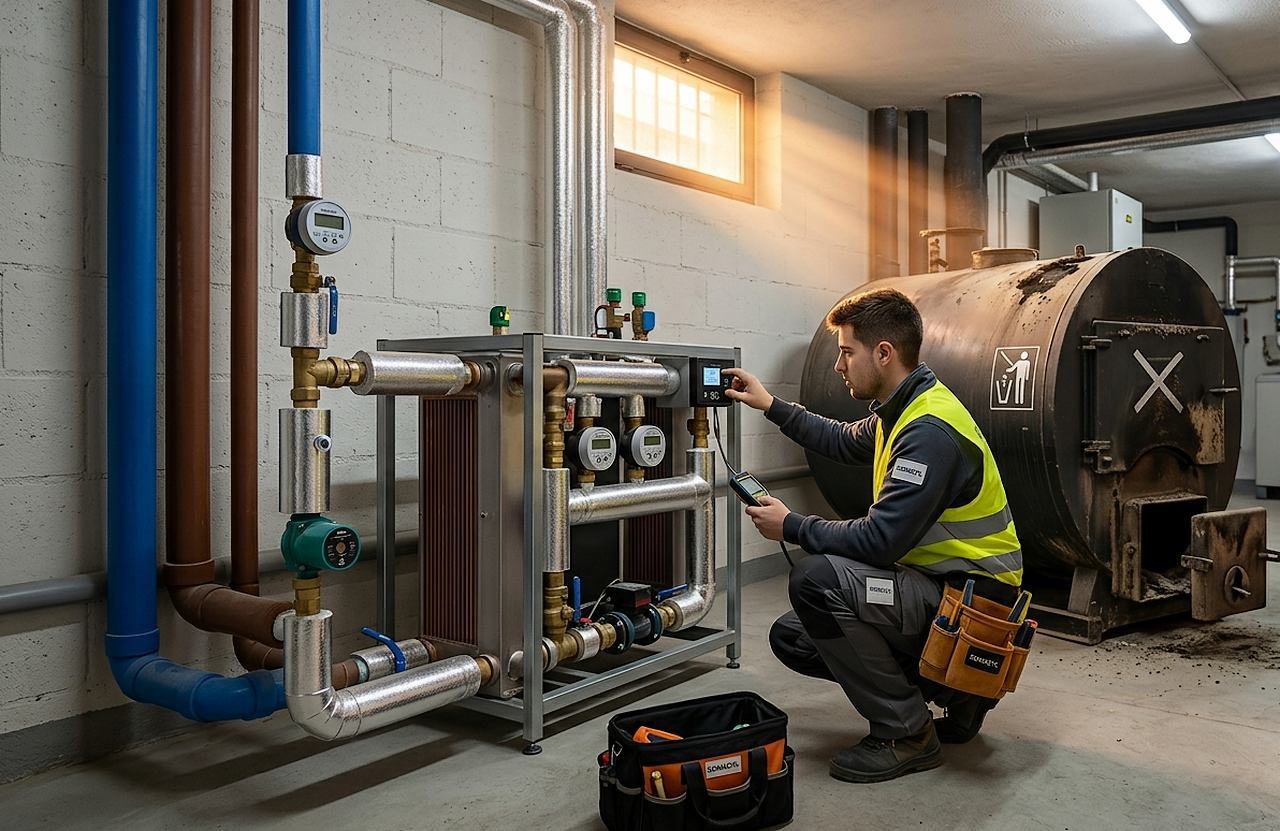
The underground pipes are equipped with automatic leak detection and intelligent variable-flow pump sets, with operational management via a Virtual Private Network (VPN) communication network, allowing production to be adjusted based on the actual needs of buildings. Each building will have a heat exchange substation installed in its existing boiler room, transferring heat to the heating and domestic hot water systems via plate heat exchangers. These facilities are equipped with energy meters, control valves, and remote monitoring systems for energy consumption tracking. This district heating model improves the energy efficiency rating of residential buildings and eliminates the need for direct investment in community equipment upgrades.
This article is compiled by Wedoany. All AI citations must indicate the source as "Wedoany". If there is any infringement or other issues, please notify us promptly, and we will modify or delete it accordingly. Email: news@wedoany.com