en.Wedoany.com Reported - GE Aerospace and its Italian subsidiary Avio Aero have completed two tests in Germany, advancing hydrogen combustion and hybrid-electric propulsion technologies for next-generation commercial aircraft engines. These tests support the RISE technology demonstration program of CFM International, a 50/50 joint venture between GE Aerospace and Safran Aircraft Engines, and were conducted under the framework of the EU Clean Aviation public-private partnership research initiative.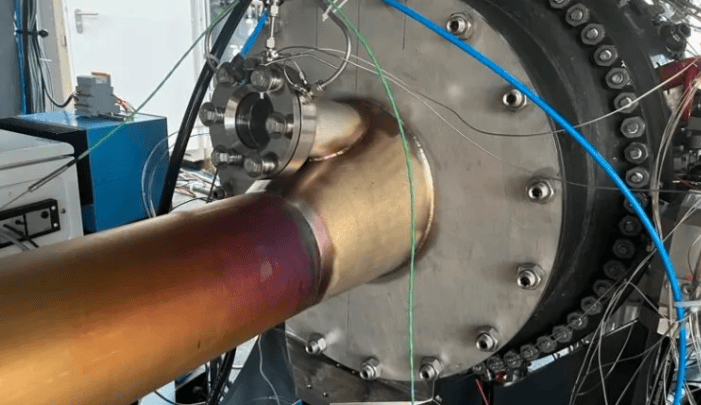
The hydrogen-related tests were carried out under the EU-funded HYDEA (HYdrogen DEmonstrator for Aviation) project, led by Avio Aero, at the German Aerospace Center (DLR) Institute of Space Propulsion in Lampoldshausen, Germany. The team achieved the first successful engine relight using hydrogen fuel under simulated high-altitude conditions. Engineers built a custom hydrogen gas sector combustor test rig equipped with a synthetic air generator, using vaporized liquid oxygen and liquid nitrogen to simulate high-altitude low-humidity atmospheric conditions. The activity established a relight operability envelope, with the ignition system designed and manufactured specifically for hydrogen operation by Unison (also a GE Aerospace company). The test core featured a multi-cup hydrogen sector combustor, providing a more representative combustor geometry and optimized igniter placement compared to a single-cup configuration. A high-speed camera system from the German Aerospace Center recorded cup-to-cup flame propagation and igniter-flame interactions. The team will use the data and operability insights to design a full-ring hydrogen combustor test rig.
Luca Bedon, Head of R&D and Technology at Avio Aero, stated that the team is proud to be at the forefront of new technological innovation, working with European partners and research institutions to transform ideas into real testing capabilities.
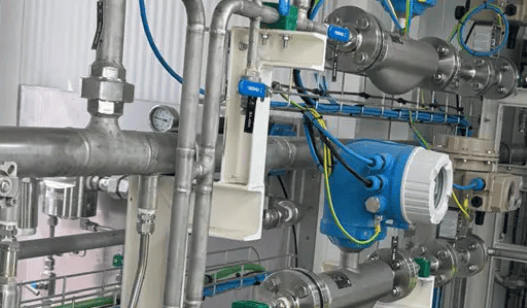
In parallel activities at the German Aerospace Center's BALIS (Fuel Cell Propulsion Power Integration and Scaling) test facility, teams from Avio Aero and the GE Aerospace Engineering Center completed proprietary fuel cell system tests under the Clean Aviation project AMBER (InnovAtive DeMonstrator for hyBrid-Electric Regional Application). The activity validated the dynamic behavior of the fuel cell system from idle to maximum power output within short transient times, as well as its recovery capability under simulated short-range and long-range flight power profiles. The AMBER project aims to develop and demonstrate a megawatt-class hybrid-electric propulsion system integrating fuel cells, power electronics, and electric drives.
Roman Seele, Head of Flight Future Germany at GE Aerospace, stated that the future of flight is more electric, and the team is collaborating with partners such as the German Aerospace Center to advance the foundational modules for achieving hybrid-electric flight.
GE Aerospace and Avio Aero's engineering centers in Germany, Italy, Poland, and Turkey are involved in multiple Clean Aviation projects, including TAKE OFF (Technology And Knowledge for European Open Fan Flight) and OFELIA (Open Fan for Environmental Low Impact of Aviation), focusing on open fan ground and flight test demonstrators, as well as AMBER and HYDEA. The CFM RISE program has to date accumulated over 350 tests and more than 3,000 cycles of durability testing, covering advanced engine architectures such as open fans, compact cores, and hybrid-electric systems, with the goal of achieving more than 20% fuel consumption improvement compared to current production engines.
This article is compiled by Wedoany. All AI citations must indicate the source as "Wedoany". If there is any infringement or other issues, please notify us promptly, and we will modify or delete it accordingly. Email: news@wedoany.com
Related Products

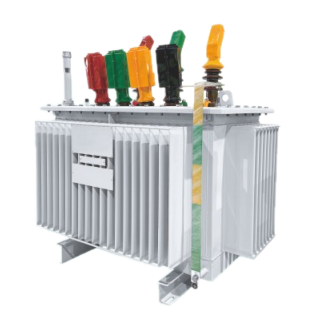
IS(B)□-M·RL Series Oil-immersed 3D Transformer (Planar / 3D Wound Core)
Guangdong Kehua Electric Power Technology Co., Ltd.
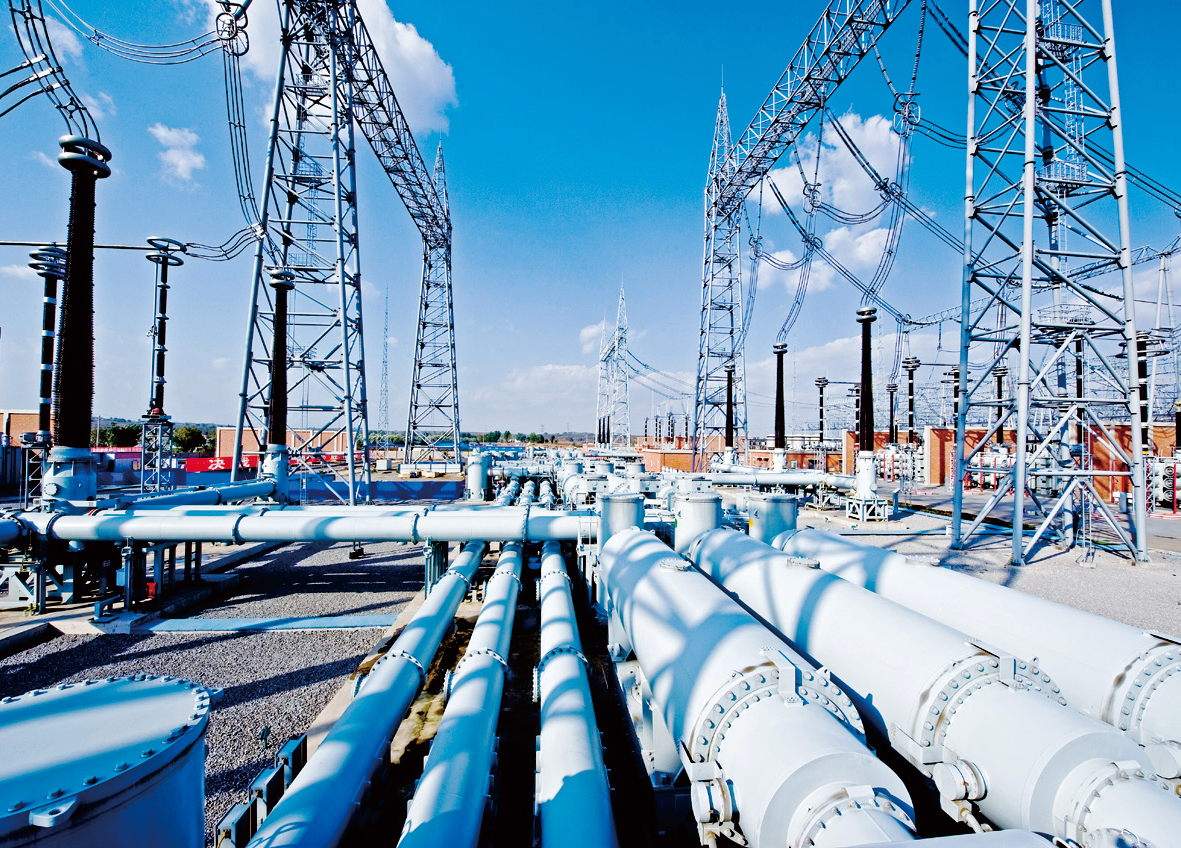
40.5kV-1100kV Gas Insulated Metal-Enclosed Switchgear (GIS)
Henan Pinggao Electric Co., Ltd.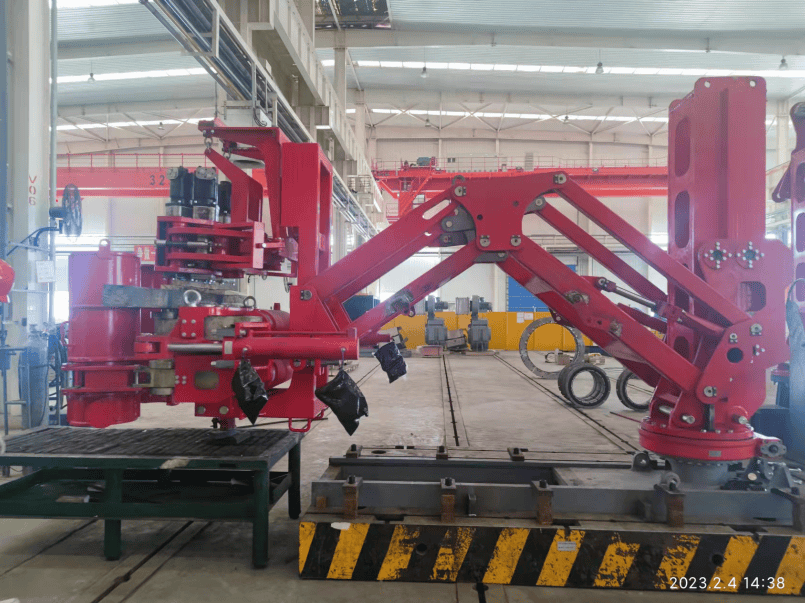
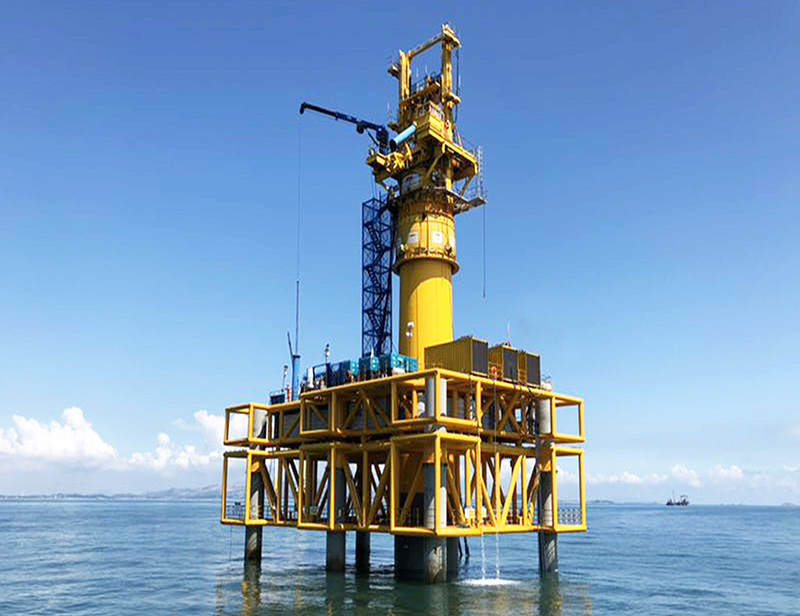
CITIC Heavy Industries Offshore Wind Power Equipment Hydraulic Pile Hammer
CITIC Heavy Industries Co., Ltd.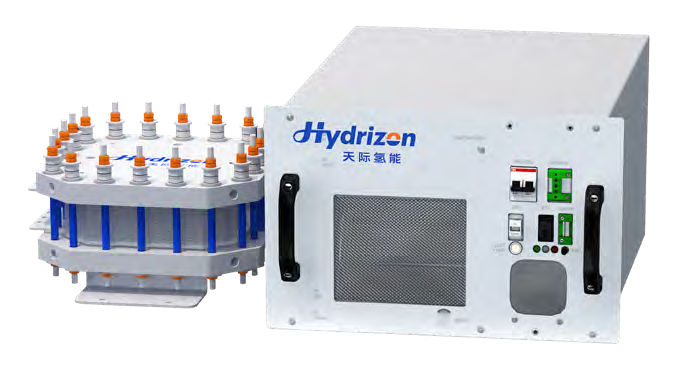
HI-Pro Green Hydrogen High-efficiency Production System-HI-PRO-AEM
Hydrizon Technology (Beijing) Co., Ltd.
Perfluorinated Ionic Membrane-CM-10N Series Membrane
Guizhou Juneng Century Technology Co., Ltd
Photovoltaic and Wind Power Generation Technology
Beijing Boqi Electric Power SCI-TECH Co., Ltd.