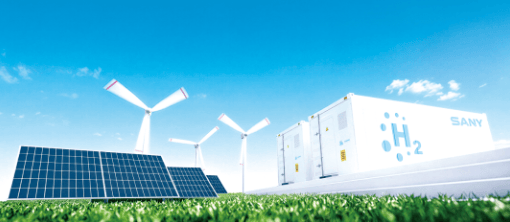
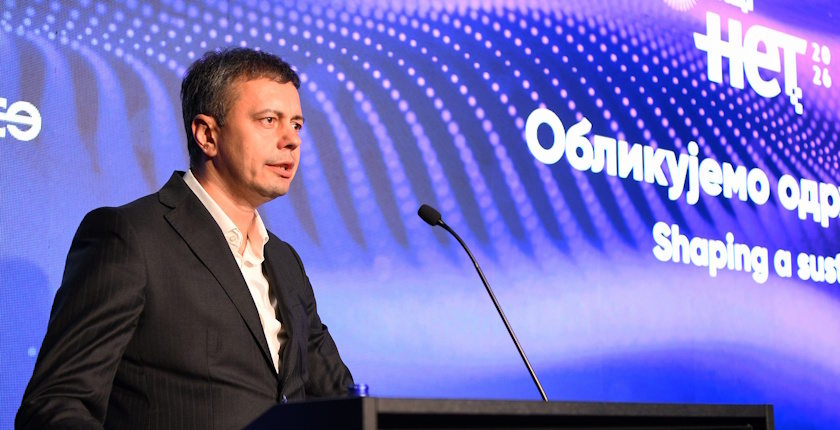
en.Wedoany.com Reported - Montenegro's state-owned power company Elektroprivreda Crne Gore (EPCG) is developing a virtual power plant aimed at more efficiently integrating renewable energy and providing flexibility to the power system. EPCG Technical Director Ljubiša Đurković pointed out that the core challenge currently lies in storing renewable electricity and efficiently integrating it into the distribution and transmission networks. Speaking at the EPCG NET conference, he noted that virtual power plants are a growing trend in the European Union.
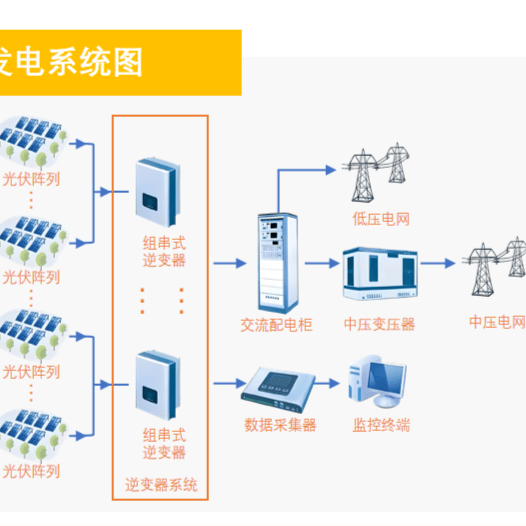
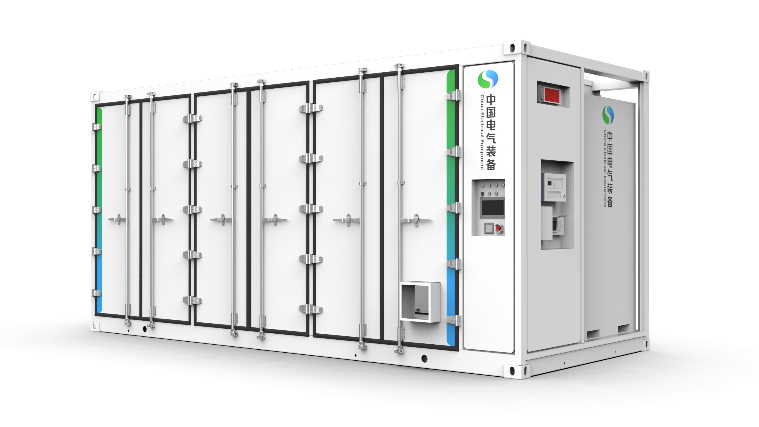
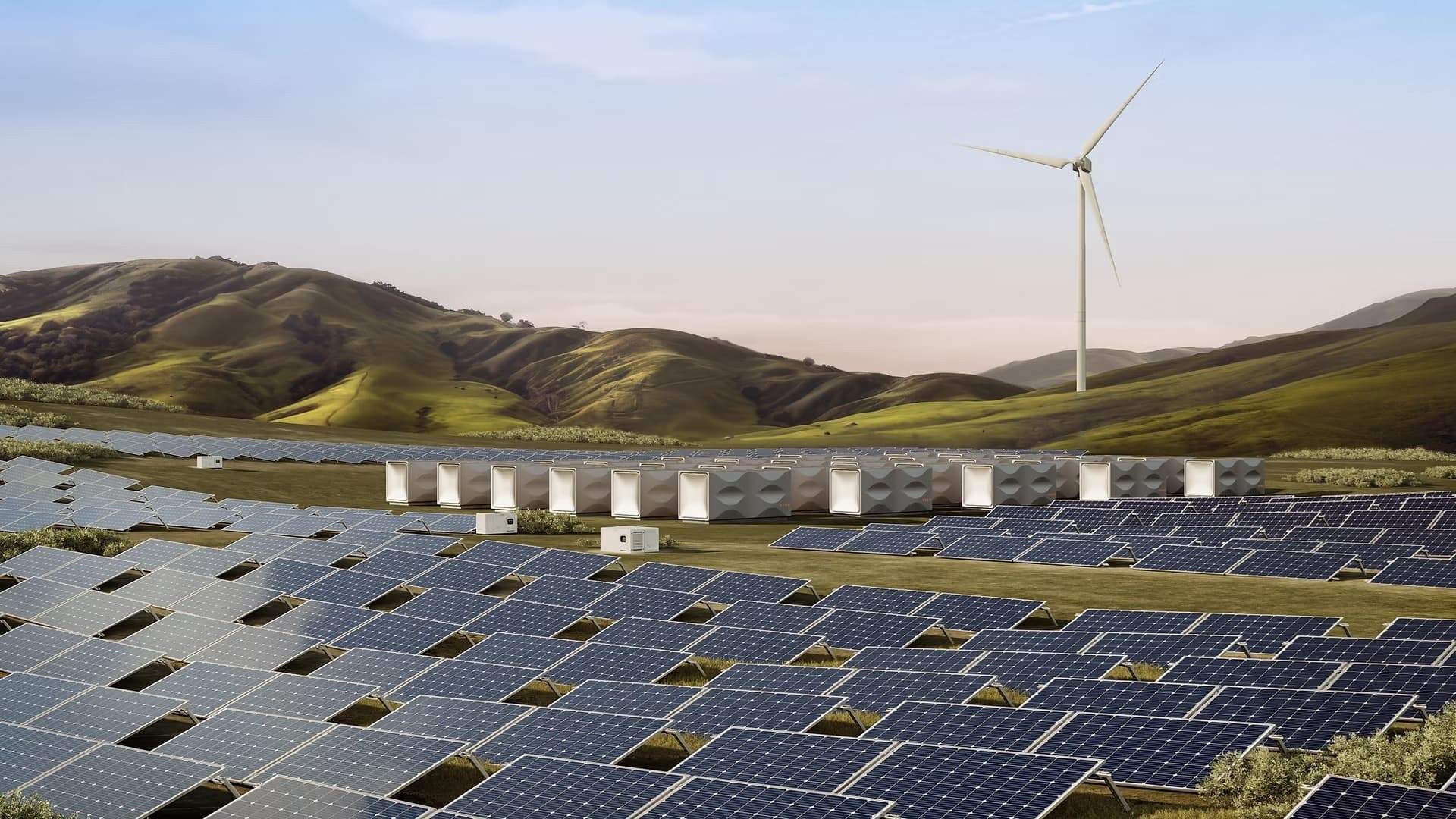
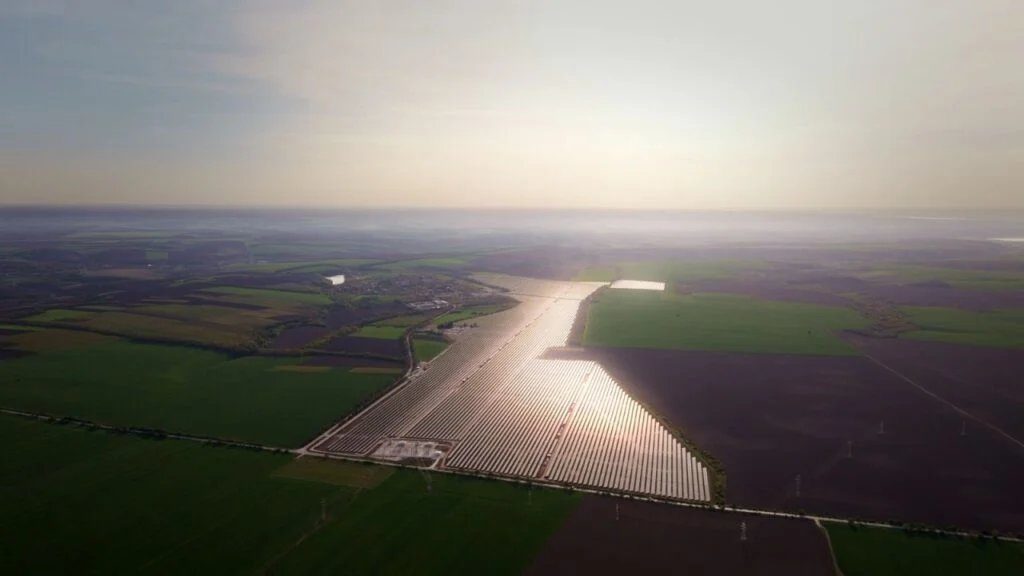
A virtual power plant is not a single generation facility but functions by aggregating and managing distributed energy resources such as solar power plants, battery energy storage systems, electric vehicle charging stations, and flexible loads. Đurković recalled that EPCG launched the prosumer concept as early as November 2022 through projects such as Solari 3000+, Solari 500+, and Solari 5000+. Currently, Montenegro has over 10,000 prosumers with a total installed capacity of approximately 100 MW and an annual generation of 135 GWh.
Vuk Kasalica, an engineer in EPCG's Renewable Energy Department, introduced the concept of a flexibility management platform and proposed that the goal should shift from actual generation to flexible energy management. He stated that distribution substations and their areas are no longer just places for electricity consumption but are evolving into active hubs for prosumers, batteries, and charging stations, bringing new challenges to the distribution grid such as reverse power flow to the medium voltage network, voltage issues, and additional loads from the growth of electric mobility. Kasalica emphasized that EPCG does not view these as obstacles but as opportunities to create new flexibility resources and new value.
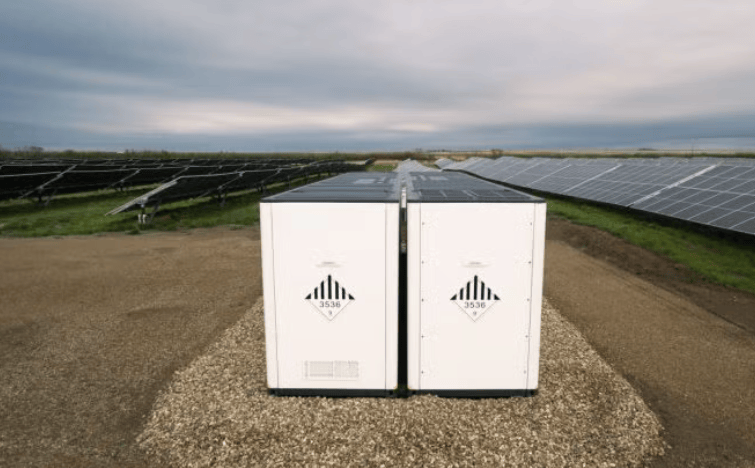
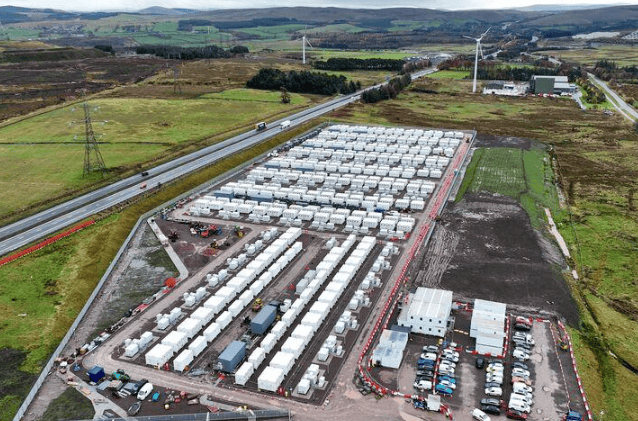
The physical layer of the platform will consist of prosumers, batteries, charging stations, and other dispatchable users, with stable communication and continuous grid monitoring being key to achieving efficient connectivity. The application layer is designed as a system of subsystems, including a Distributed Energy Resource Management System (DERMS) for managing grid constraints and system security, as well as a virtual power plant acting as an aggregator of resources in specific substation areas.
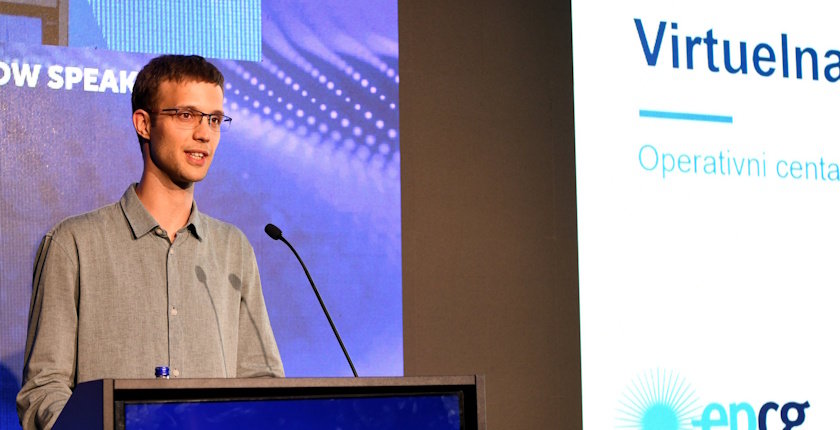
The project development roadmap is divided into five phases. The first phase involves pilot implementation of batteries and charging stations to verify their contribution to grid operation under real-time conditions. The second phase shifts management focus from individual devices to local networks through system interconnection optimization, advanced resource management, and the establishment of management rules. The third phase plans to expand the project to more substations and standardize equipment, communication, and management methods. The fourth phase establishes a Virtual Power Plant (VPP) by integrating batteries, prosumers, charging stations, and other resources into a central platform. The fifth phase involves market integration, monetizing flexibility through peak shaving, balancing, and ancillary services, and developing new business models in accordance with regulations. Kasalica concluded that prosumers, batteries, and electric vehicle charging stations already hold value, but their full system value can only be realized when they are coordinated, connected, measured, and managed.
This article is compiled by Wedoany. All AI citations must indicate the source as "Wedoany". If there is any infringement or other issues, please notify us promptly, and we will modify or delete it accordingly. Email: news@wedoany.com